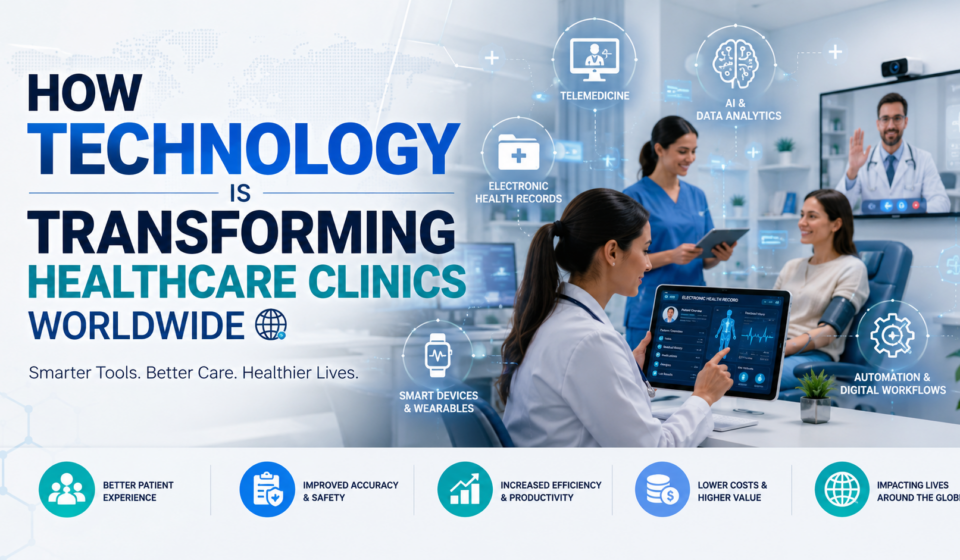

Healthcare clinics have always played a crucial role in providing accessible and affordable medical care. However, the healthcare industry is undergoing a major transformation thanks to rapid technological advancements. From artificial intelligence and telemedicine to electronic health records and wearable devices, technology is revolutionizing how clinics operate and how patients receive care.
The Digital Transformation of Healthcare Clinics
The healthcare sector has embraced digital transformation at an unprecedented pace. Clinics are no longer relying solely on paper records, manual scheduling, and traditional consultations. Instead, they are integrating advanced digital solutions that streamline operations and improve patient care.
Digital transformation allows clinics to manage patient information more effectively, coordinate treatments efficiently, and provide services beyond physical clinic walls. Patients can now access healthcare more conveniently through mobile apps, online portals, and virtual consultations.
This shift is helping clinics meet growing patient expectations while addressing challenges such as staff shortages, increasing healthcare demands, and rising operational costs.
Electronic Health Records Improve Efficiency
One of the most significant technological advancements in healthcare clinics is the adoption of Electronic Health Records (EHRs).
Electronic health records store patient information digitally, making it easier for healthcare providers to access medical histories, prescriptions, test results, and treatment plans. Unlike traditional paper records, EHRs can be updated instantly and shared securely among authorized healthcare professionals.
Benefits of EHR systems include:
- Faster access to patient information
- Improved treatment coordination
- Reduced paperwork
- Fewer medical errors
- Better patient safety
Healthcare clinics that use EHR systems can provide more accurate and efficient care while saving valuable administrative time.
Telemedicine Is Expanding Access to Care
Telemedicine has become one of the most impactful technologies in healthcare. Patients can now consult doctors remotely through video calls, phone consultations, and secure messaging platforms.
This innovation has transformed healthcare clinics by making medical services more accessible to people living in rural areas, elderly patients, and individuals with mobility challenges.
Telemedicine offers several advantages:
- Reduced travel time
- Faster consultations
- Improved follow-up care
- Greater convenience
- Enhanced healthcare accessibility
Many clinics now offer hybrid healthcare models that combine in-person visits with virtual appointments, giving patients greater flexibility.
Artificial Intelligence Enhances Diagnosis and Treatment
Artificial Intelligence (AI) is becoming a powerful tool in healthcare clinics worldwide. AI systems can analyze large amounts of medical data, identify patterns, and assist healthcare professionals in making informed decisions.
AI applications in healthcare clinics include:
- Medical image analysis
- Disease prediction
- Risk assessment
- Treatment recommendations
- Patient monitoring
AI does not replace doctors but acts as a valuable support system that improves accuracy and speeds up diagnosis. This allows clinicians to focus more on patient interaction and personalized care.
Wearable Technology Supports Preventive Healthcare
Wearable devices such as smartwatches, fitness trackers, and health monitoring sensors are transforming preventive healthcare.
These devices collect real-time health information including:
- Heart rate
- Blood pressure
- Sleep patterns
- Physical activity levels
- Blood oxygen levels
Healthcare clinics can use this data to monitor patients remotely and identify potential health issues before they become serious. Preventive healthcare is becoming increasingly important because it helps reduce hospital admissions and long-term healthcare costs.
Patients are also becoming more engaged in managing their own health through wearable technology.
Online Appointment Systems Improve Patient Experience
Gone are the days of long phone calls and waiting in queues to book appointments. Modern healthcare clinics now offer online scheduling systems that allow patients to book appointments anytime.
Online appointment platforms provide several benefits:
- Easy scheduling
- Reduced waiting times
- Automated reminders
- Better clinic organization
- Increased patient satisfaction
Patients appreciate the convenience, while clinics benefit from improved efficiency and fewer missed appointments.
Cloud Computing Improves Healthcare Management
Cloud technology is helping healthcare clinics manage information securely and efficiently. Cloud-based systems store data online rather than on local servers, allowing authorized staff to access information from different locations.
Advantages of cloud computing include:
- Secure data storage
- Easy information sharing
- Reduced infrastructure costs
- Improved collaboration
- Faster system updates
Cloud-based healthcare solutions also support telemedicine, electronic records, and remote patient monitoring.
Mobile Health Applications Are Empowering Patients
Mobile health applications, commonly known as mHealth apps, are becoming increasingly popular among patients.
These apps allow users to:
- Track medications
- Schedule appointments
- Access health records
- Monitor symptoms
- Communicate with healthcare providers
Healthcare clinics are using mobile apps to strengthen patient engagement and encourage healthier lifestyles. Patients who actively participate in their healthcare often experience better outcomes.
Remote Patient Monitoring Is Changing Chronic Disease Management
Chronic diseases such as diabetes, hypertension, asthma, and heart disease require continuous monitoring. Technology has made this process easier through remote patient monitoring systems.
These systems collect patient health data and transmit it directly to healthcare providers. Doctors can monitor patient conditions without requiring frequent clinic visits.
Benefits include:
- Early detection of complications
- Improved disease management
- Reduced hospitalizations
- Better patient compliance
- Increased convenience
Remote monitoring is especially valuable for elderly patients and those with long-term medical conditions.
Robotics and Automation in Clinics
Automation technologies are helping clinics improve efficiency and reduce repetitive tasks. Automated systems can handle appointment reminders, billing, patient registration, and administrative workflows.
Some advanced healthcare facilities are also introducing robotic assistance for certain medical procedures and patient support services.
Automation allows healthcare professionals to spend more time focusing on patient care rather than paperwork and administrative responsibilities.
Cybersecurity and Patient Data Protection
As healthcare clinics become more digital, protecting patient data becomes increasingly important. Healthcare organizations handle sensitive information that must remain secure and confidential.
Modern clinics invest in cybersecurity measures such as:
- Data encryption
- Multi-factor authentication
- Secure cloud storage
- Regular security audits
- Employee training
Strong cybersecurity practices help protect patient privacy while maintaining trust in digital healthcare systems.
Personalized Medicine Through Technology
Technology is making healthcare more personalized than ever before. Advanced analytics, genetic testing, and AI-powered tools allow healthcare providers to tailor treatments to individual patients.
Personalized medicine considers factors such as:
- Genetic background
- Medical history
- Lifestyle habits
- Environmental influences
This approach improves treatment effectiveness and helps healthcare providers deliver targeted care instead of one-size-fits-all solutions.
Challenges of Technology Adoption in Clinics
Despite its many benefits, healthcare technology also presents challenges.
Common challenges include:
- High implementation costs
- Staff training requirements
- Data security concerns
- Technology integration issues
- Resistance to change
Healthcare clinics must carefully plan technology adoption to ensure smooth implementation and maximize benefits.
However, as technology becomes more affordable and user-friendly, these challenges are gradually decreasing.
The Future of Healthcare Clinics
The future of healthcare clinics will be driven by innovation. Emerging technologies such as artificial intelligence, predictive analytics, virtual reality, blockchain, and advanced diagnostics will continue transforming patient care.
Future clinics may offer:
- AI-assisted diagnosis
- Fully integrated digital records
- Advanced telehealth services
- Real-time health monitoring
- Personalized treatment plans
Healthcare will become more proactive, preventive, and patient-centered, improving both accessibility and quality of care worldwide.
Source
https://sl1nk.com/fvdzp99
https://l1nq.com/r2lgr34
Conclusion
Technology is transforming healthcare clinics worldwide by improving efficiency, accessibility, diagnosis, treatment, and patient engagement. Innovations such as electronic health records, telemedicine, artificial intelligence, wearable devices, and remote monitoring are helping clinics provide better care while reducing costs and administrative burdens.
As healthcare technology continues to evolve, clinics will become even more connected, intelligent, and patient-focused. Patients can expect faster services, more personalized treatments, and greater convenience, while healthcare providers can deliver higher-quality care through advanced digital solutions.
The future of healthcare clinics is not only digital—it is smarter, more efficient, and designed to meet the evolving needs of patients around the world.
FAQs
1. How is technology improving healthcare clinics?
Technology improves healthcare clinics by enhancing diagnosis, patient management, communication, treatment accuracy, and operational efficiency.
2. What is telemedicine in healthcare clinics?
Telemedicine allows patients to consult healthcare providers remotely through video calls, phone calls, and digital communication platforms.
3. How does artificial intelligence help healthcare clinics?
AI assists clinics by analyzing medical data, supporting diagnosis, predicting health risks, and improving treatment recommendations.
4. What are Electronic Health Records (EHRs)?
Electronic Health Records are digital versions of patient medical records that improve information access, accuracy, and coordination among healthcare providers.
5. Why are wearable devices important in healthcare?
Wearable devices help monitor health metrics in real time, enabling preventive care and early detection of potential health issues.