
Healthcare is changing quickly, and patients today expect medical care that is convenient, affordable, accessible, and patient-focused. In the past, many people depended mainly on large hospitals or traditional healthcare facilities for almost every medical need. However, more patients are now choosing healthcare clinics for routine checkups, preventive care, chronic disease management, minor illnesses, vaccinations, diagnostic services, and follow-up consultations.
What Are Healthcare Clinics?
Healthcare clinics are medical facilities that provide outpatient care for common health needs. Patients visit clinics for consultation, diagnosis, treatment, preventive services, and follow-up care without needing hospital admission.
Healthcare clinics may offer services such as:
- General medical consultation
- Preventive health checkups
- Vaccinations
- Pediatric care
- Women’s health services
- Chronic disease management
- Minor illness treatment
- Diagnostic testing
- Telemedicine
- Health counseling
Some clinics focus on family healthcare, while others may specialize in urgent care, dermatology, dental care, physiotherapy, or multi-specialty services. Their main goal is to provide accessible and efficient healthcare for everyday medical needs.
Understanding Traditional Healthcare Options
Traditional healthcare options usually include large hospitals, government hospitals, specialty hospitals, and long-established medical systems. These facilities are important for emergencies, surgeries, advanced diagnostics, intensive care, and complex treatment.
However, traditional healthcare settings may not always be the most convenient choice for routine medical needs. Patients may face long queues, higher costs, crowded waiting areas, complicated paperwork, and delays in appointments.
For serious emergencies and advanced treatments, hospitals are necessary. But for regular checkups, preventive screenings, minor illnesses, and ongoing care, healthcare clinics often provide a faster and more practical option.
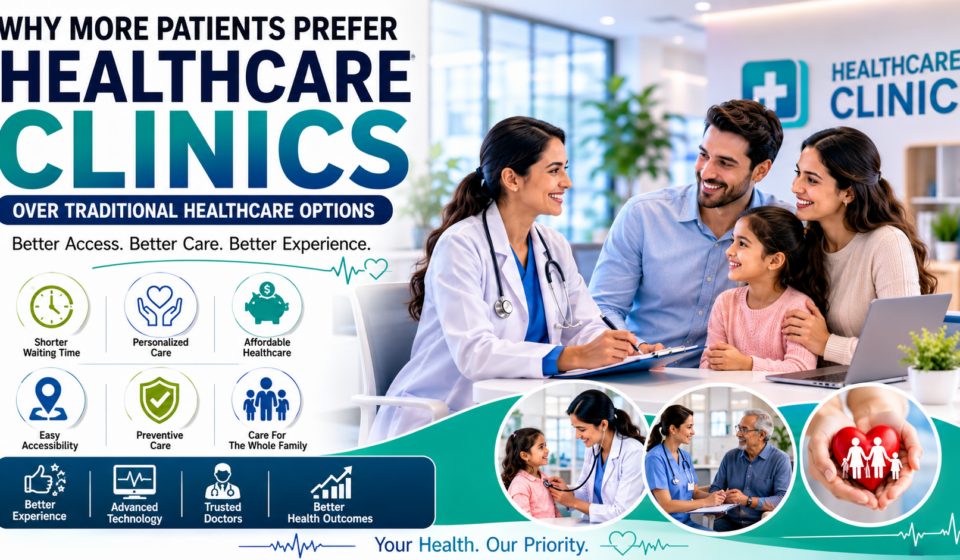
1. Healthcare Clinics Offer Easier Access
One major reason patients prefer healthcare clinics is accessibility. Clinics are often located in neighborhoods, residential areas, and commercial centers, making them easier to reach than large hospitals.
Easy access is especially helpful for:
- Families with children
- Elderly patients
- Working professionals
- People with chronic conditions
- Patients needing regular follow-ups
When healthcare is close by, patients are more likely to seek medical advice early instead of delaying treatment. Early care can prevent minor health problems from becoming serious conditions.
Many clinics also offer walk-in consultations, same-day appointments, and extended working hours. This flexibility makes healthcare more convenient for people with busy schedules.
2. Shorter Waiting Times
Long waiting times are one of the biggest complaints patients have about traditional healthcare facilities. In many hospitals, patients may wait for hours for a simple consultation or test.
Healthcare clinics often provide faster service because they are designed for outpatient care. Their appointment systems are usually simpler and more efficient.
Shorter waiting times benefit patients by:
- Reducing stress
- Saving time
- Improving patient satisfaction
- Encouraging regular checkups
- Supporting faster diagnosis
For minor illnesses such as fever, cough, allergies, infections, or body pain, patients often prefer visiting a clinic because they can receive care quickly and return to daily activities sooner.
3. More Affordable Healthcare Services
Cost is another important reason patients choose healthcare clinics. Traditional healthcare options, especially large private hospitals, may have higher consultation fees, diagnostic charges, and service costs.
Healthcare clinics usually offer more affordable services for routine care. Many clinics provide health packages, preventive checkups, vaccination plans, and follow-up consultations at reasonable prices.
Affordable services help patients manage:
- Regular checkups
- Chronic disease monitoring
- Basic diagnostic tests
- Preventive screenings
- Minor illness treatment
- Family healthcare needs
When healthcare is affordable, patients are less likely to avoid medical visits due to cost concerns. This improves prevention, early diagnosis, and long-term health outcomes.
4. Personalized Patient Care
Patients today want doctors who listen, explain, and understand their concerns. Healthcare clinics often provide a more personal experience compared to large traditional facilities.
In clinics, doctors may spend more time understanding a patient’s symptoms, lifestyle, medical history, and treatment goals. Over time, patients can build trusted relationships with clinic doctors.
Personalized care includes:
- Clear communication
- Individual treatment plans
- Follow-up support
- Lifestyle advice
- Family health history review
- Patient education
When patients feel heard and respected, they are more likely to follow treatment plans and return for future care. This improves trust and health outcomes.
5. Better Preventive Healthcare
Healthcare clinics play a strong role in preventive medicine. Instead of only treating illness, clinics help patients stay healthy through screenings, vaccinations, lifestyle counseling, and regular monitoring.
Preventive healthcare services may include:
- Annual health checkups
- Blood pressure monitoring
- Diabetes screening
- Cholesterol testing
- Cancer screening guidance
- Immunizations
- Nutrition advice
- Weight management counseling
Traditional healthcare facilities often focus heavily on treating serious conditions, while clinics are well-positioned to support prevention and early detection.
Preventive care helps reduce the risk of serious disease, lowers treatment costs, and improves quality of life.
6. Convenient Family Healthcare
Many patients prefer clinics because they can provide care for the whole family. A family healthcare clinic may treat children, adults, and seniors in one location.
This is convenient for households that need:
- Pediatric checkups
- Vaccinations
- Women’s health services
- Adult health screenings
- Elderly care
- Chronic disease management
- Seasonal illness treatment
Having one trusted clinic for the entire family improves continuity of care. Doctors can understand family health history and provide better preventive advice.
For busy parents, this convenience saves time and simplifies healthcare management.
7. Use of Modern Healthcare Technology
Modern healthcare clinics are adopting technology to improve patient experience and medical care. Digital systems make healthcare faster, easier, and more organized.
Common technology features include:
- Online appointment booking
- Telemedicine consultations
- Electronic health records
- Digital prescriptions
- Online lab reports
- SMS reminders
- Patient portals
Telemedicine is especially useful for follow-ups, minor concerns, and patients who cannot travel easily. Electronic records help doctors review patient history quickly and avoid repeated paperwork.
Technology helps clinics provide smoother, more accurate, and more convenient healthcare services.
8. Stronger Doctor-Patient Relationships
In traditional healthcare settings, patients may see different doctors on different visits, especially in large hospitals. This can make care feel less personal.
Healthcare clinics often allow patients to visit the same doctor or care team regularly. This builds stronger doctor-patient relationships.
A strong relationship helps doctors understand:
- Past illnesses
- Current medications
- Allergies
- Lifestyle habits
- Family health risks
- Patient preferences
This continuity of care supports better diagnosis, safer treatment, and improved patient confidence.
9. Better Support for Chronic Disease Management
Patients with chronic diseases need ongoing medical care. Conditions such as diabetes, high blood pressure, asthma, thyroid disease, arthritis, and heart disease require regular monitoring and lifestyle guidance.
Healthcare clinics are ideal for chronic disease management because they offer continuous follow-ups and accessible care.
Clinics help patients with:
- Regular health monitoring
- Medication adjustments
- Diet and exercise advice
- Lab testing
- Symptom tracking
- Preventing complications
Instead of visiting hospitals for every follow-up, patients can manage long-term conditions more conveniently at clinics.
10. Comfortable and Less Intimidating Environment
Hospitals can sometimes feel crowded, stressful, and overwhelming, especially for children and elderly patients. Healthcare clinics usually offer a smaller, calmer, and more welcoming environment.
A comfortable clinic environment helps patients feel relaxed and confident. Friendly staff, clean waiting areas, clear communication, and organized service improve the overall experience.
A positive patient experience encourages people to seek care regularly instead of avoiding medical visits.
11. Faster Referrals When Needed
Healthcare clinics are not a replacement for hospitals in serious cases. However, a good clinic can identify when a patient needs advanced care and refer them to the right specialist or hospital.
Clinics act as a first point of contact. They evaluate symptoms, provide basic care, and guide patients toward advanced treatment if necessary.
This referral support helps patients avoid confusion and receive the right care at the right time.
Source
https://l1nq.com/y8ds0pm
https://l1nq.com/klv2c9n
Conclusion
More patients prefer healthcare clinics over traditional healthcare options because clinics offer convenience, affordability, accessibility, personalized care, shorter waiting times, preventive services, and modern digital tools. For routine checkups, minor illnesses, family healthcare, chronic disease management, and follow-up care, healthcare clinics provide a practical and patient-friendly solution.
Traditional healthcare facilities and hospitals remain essential for emergencies, surgeries, and complex treatments. However, for everyday healthcare needs, clinics are becoming the preferred choice for many patients.
By offering faster service, better communication, family-focused care, and continuous support, healthcare clinics are helping patients manage their health more effectively. As healthcare continues to evolve, clinics will play an even greater role in creating a more accessible, affordable, and patient-centered healthcare system.
Frequently Asked Questions
1. Why do patients prefer healthcare clinics?
Patients prefer healthcare clinics because they offer easier access, shorter waiting times, affordable services, personalized care, preventive healthcare, and convenient appointments.
2. Are healthcare clinics better than hospitals?
Healthcare clinics are better for routine care, minor illnesses, preventive checkups, and follow-ups. Hospitals are better for emergencies, surgeries, and complex medical treatment.
3. What services do healthcare clinics provide?
Healthcare clinics may provide general consultations, vaccinations, preventive screenings, diagnostic tests, chronic disease management, pediatric care, women’s health services, and telemedicine.
4. Are healthcare clinics affordable?
Yes, many healthcare clinics offer affordable consultation fees, health packages, preventive checkups, and basic diagnostic services compared to large hospitals.
5. Can healthcare clinics manage chronic diseases?
Yes, healthcare clinics can help manage chronic conditions such as diabetes, hypertension, asthma, thyroid disorders, arthritis, and heart disease through regular monitoring and follow-up care.