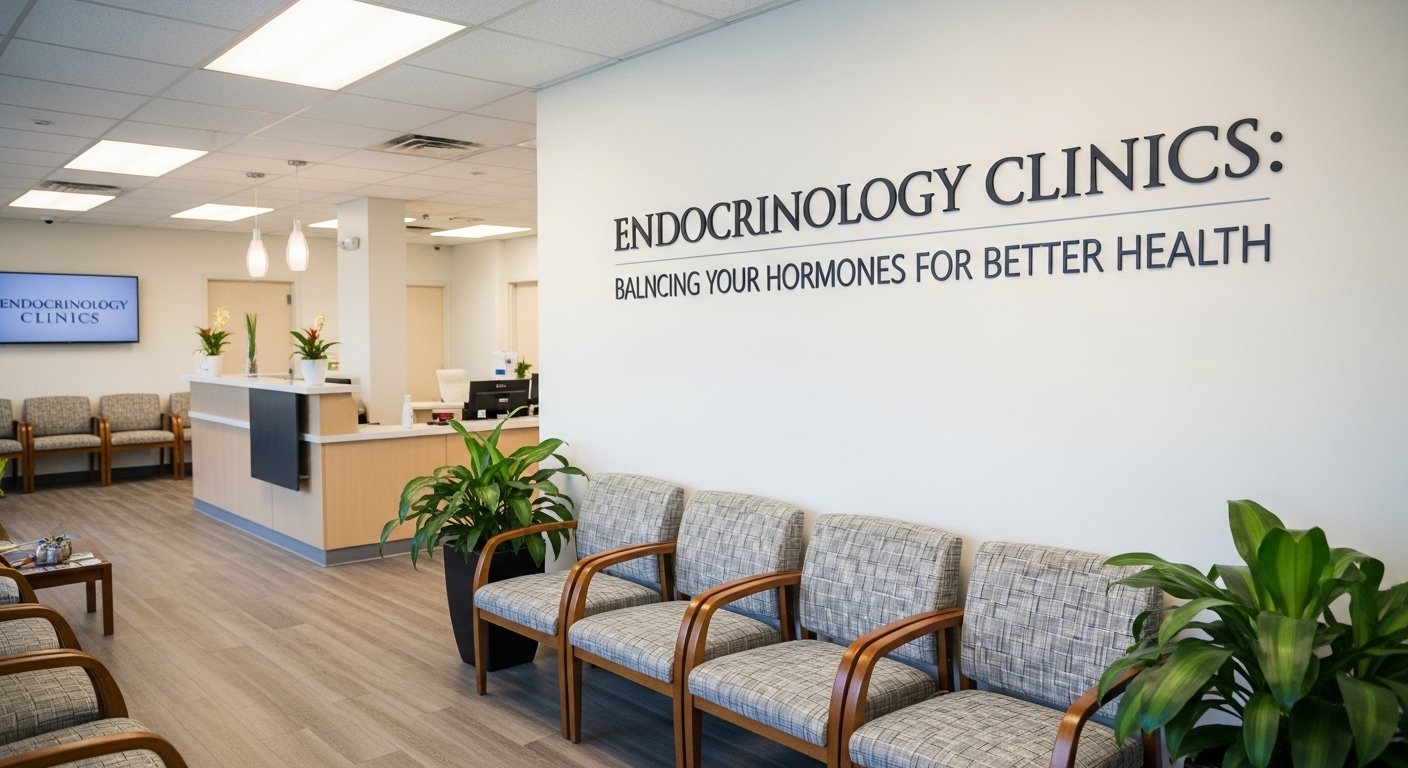
Endocrinology Clinics: Balancing Your Hormones forBetter Health
Introduction
Hormones regulate nearly every function in the body — from metabolism and growth to mood and
reproduction. When the endocrine system goes out of balance, the effects can be wide-reaching. An
endocrinology clinic specializes in diagnosing and treating hormone-related disorders. This guide explains
what endocrinology clinics do and who can benefit from visiting one.
What Is an Endocrinology Clinic?
An endocrinology clinic is a medical facility staffed by endocrinologists — doctors who specialize in the
endocrine system, which includes glands like the thyroid, adrenal glands, pancreas, pituitary gland, and
ovaries/testes. These clinics diagnose and treat hormonal imbalances and related conditions.
Common Conditions Treated
Endocrinology clinics treat diabetes (Types 1 and 2), thyroid disorders (hypothyroidism, hyperthyroidism,
nodules), adrenal gland disorders, pituitary tumors, polycystic ovary syndrome (PCOS), osteoporosis,
growth hormone deficiencies, and metabolic syndrome.
Thyroid Disorder Management
Thyroid problems are among the most common endocrine conditions. Whether the thyroid is underactive
(hypothyroidism) or overactive (hyperthyroidism), endocrinologists conduct blood tests, ultrasounds, and
scans to diagnose the issue and prescribe appropriate medications or procedures.
PCOS and Reproductive Hormones
Polycystic ovary syndrome (PCOS) affects many women and causes irregular periods, weight gain, acne,
and fertility challenges. Endocrinology clinics evaluate hormone levels and offer lifestyle guidance and
medications to regulate hormones and manage symptoms.
Adrenal Gland and Pituitary Disorders
Conditions like Cushing’s syndrome (too much cortisol), Addison’s disease (too little cortisol), and pituitary
tumors affect overall body function profoundly. Endocrinologists use specialized testing to diagnose these
rare but serious conditions and manage them carefully.
Bone Health and Osteoporosis
Hormonal changes — especially with aging and menopause — affect bone density. Endocrinology clinics
assess osteoporosis risk, conduct bone density scans (DEXA), and prescribe treatments including
medications and calcium/vitamin D supplementation to protect bone health.
Conclusion
Hormonal health is foundational to overall wellbeing, yet endocrine disorders are often underdiagnosed.
An endocrinology clinic provides the specialized testing and treatment needed to restore hormonal
balance and improve how you feel. If you suspect a hormonal issue, consulting an endocrinologist is the
right move.
Frequently Asked Questions (FAQs)
Q1: When should I see an endocrinologist?
A: See an endocrinologist if you have diabetes, thyroid problems, unexplained weight changes,
hormonal symptoms, osteoporosis, or conditions not well controlled by your primary care doctor.
Q2: What blood tests do endocrinologists order?
A: Common tests include TSH and thyroid hormones, cortisol, ACTH, growth hormone, testosterone,
estrogen, FSH, LH, insulin levels, and HbA1c for diabetes.
Q3: Is PCOS treatable?
A: PCOS cannot be cured but can be effectively managed with lifestyle changes, hormonal medications,
and fertility treatments when pregnancy is desired.
Q4: What is the difference between Type 1 and Type 2 diabetes?
A: Type 1 is an autoimmune condition where the pancreas produces no insulin, while Type 2 involves
insulin resistance and is often related to lifestyle factors.
Q5: Can an endocrinology clinic help with weight gain?
A: Yes, if weight gain is related to thyroid disorders, insulin resistance, or hormonal imbalances, an
endocrinologist can identify and treat the underlying cause.