
Healthcare access has become one of the most important topics in 2026. People want medical care that is affordable, nearby, fast, and reliable. Clinics play a major role in making this possible. Unlike large hospitals, clinics are often easier to reach, less crowded, and more focused on everyday healthcare needs.
The Growing Importance of Clinics in 2026
Clinics are becoming more important because healthcare needs are increasing worldwide. Many people are managing long-term health conditions such as diabetes, high blood pressure, asthma, obesity, thyroid disorders, and heart disease. These conditions require regular monitoring and follow-up care.
Hospitals are often designed for emergencies, surgeries, and advanced treatments. Clinics, on the other hand, focus on regular and continuous care. This makes them ideal for early diagnosis, preventive health, and routine medical support.
In 2026, patients want healthcare that fits into their busy lives. Clinics help by offering flexible appointments, shorter waiting times, digital reports, and personalized consultations. This improves convenience and encourages people to seek care earlier.
Clinics Make Healthcare More Affordable
One of the biggest ways clinics improve access is by making healthcare more affordable. Hospital visits can be expensive, especially for minor illnesses or routine consultations. Clinics usually provide basic healthcare services at lower costs.
Patients can visit clinics for common health problems such as fever, cough, infections, allergies, minor injuries, stomach issues, skin problems, and medication guidance. This helps reduce unnecessary hospital visits and saves money.
Affordable clinic care is especially important for families, students, elderly patients, and low-income communities. When healthcare is affordable, people are more likely to get treatment on time instead of delaying care.
Easier Access for Local Communities
Clinics are often located within communities, making them easier to reach than large hospitals. Local clinics reduce travel time and help patients receive care close to home.
This is especially valuable for elderly patients, pregnant women, children, and people with mobility issues. A nearby clinic can make a big difference when someone needs quick medical advice, regular follow-ups, or preventive screenings.
Community clinics also understand local health problems better. For example, they may focus on seasonal infections, nutrition concerns, maternal health, child vaccination, or chronic disease awareness based on community needs.
Telemedicine Expands Clinic Services
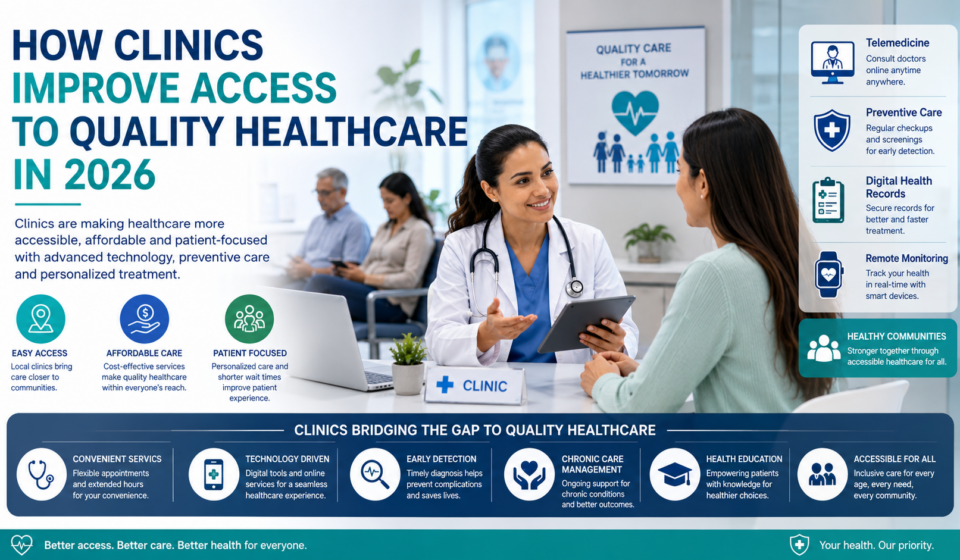
Telemedicine is one of the biggest healthcare improvements in 2026. Many clinics now offer virtual consultations through video calls, phone calls, or mobile apps. This allows patients to speak with doctors without physically visiting the clinic.
Telemedicine is helpful for follow-up visits, minor illnesses, prescription reviews, mental health support, lifestyle advice, and chronic disease management. It saves travel time and makes healthcare easier for people in remote areas.
For working professionals, telemedicine provides quick medical access without taking a full day off. For elderly patients, it reduces the need for unnecessary travel. For rural communities, it connects patients with doctors who may not be available locally.
Preventive Care Helps Detect Problems Early
Clinics improve healthcare access by focusing on prevention. Preventive care includes regular health checkups, blood tests, vaccinations, cancer screenings, blood pressure checks, diabetes screening, and lifestyle counseling.
Many serious diseases start silently without clear symptoms. Conditions like diabetes, high blood pressure, heart disease, thyroid problems, and kidney disease may develop slowly. Regular clinic visits can detect these issues early.
Early detection helps patients start treatment before complications develop. This improves recovery, reduces medical costs, and supports long-term wellness.
Better Chronic Disease Management
Chronic diseases need regular care, not just one-time treatment. Clinics help patients manage long-term conditions through follow-up appointments, medication adjustments, lifestyle guidance, and health monitoring.
For example, a patient with diabetes may need regular blood sugar testing, diet advice, foot care guidance, and medication reviews. A patient with high blood pressure may need frequent monitoring and lifestyle support.
Clinics provide this continuous care in a more convenient and affordable way than hospitals. This helps patients stay healthier and avoid emergency complications.
Digital Health Records Improve Quality of Care
In 2026, many clinics use electronic health records to store patient information securely. These records include medical history, prescriptions, allergies, test results, previous treatments, and doctor notes.
Digital health records help doctors understand a patient’s health background quickly. This improves diagnosis, reduces errors, and prevents unnecessary repeat tests.
Patients also benefit because they can access reports and prescriptions online. This makes healthcare more organized and transparent.
Remote Patient Monitoring Improves Access
Remote patient monitoring allows clinics to track patient health outside the clinic. Devices such as smartwatches, blood pressure monitors, glucose meters, and oxygen sensors can record health data from home.
Doctors can review this data and identify warning signs early. This is helpful for patients with diabetes, heart disease, high blood pressure, asthma, and elderly care needs.
Remote monitoring reduces frequent clinic visits while still keeping patients connected with healthcare providers. It improves safety, especially for patients who need ongoing observation.
Faster Diagnosis and Treatment
Modern clinics are improving access to quality care by offering faster diagnostic services. Many clinics now provide in-house testing or partnerships with diagnostic labs.
Patients can get blood tests, urine tests, ECGs, basic imaging referrals, and other investigations more quickly. Faster diagnosis means faster treatment.
When patients receive timely care, health problems are less likely to become serious. This is one of the most important benefits of accessible clinic-based healthcare.
Personalized Patient Care
Quality healthcare is not only about treatment. It is also about understanding each patient’s unique needs. Clinics in 2026 are focusing more on personalized care.
Doctors consider a patient’s age, lifestyle, family history, medical condition, diet, work routine, and risk factors before giving advice. This helps create more effective treatment plans.
Personalized care also improves trust between patients and healthcare providers. When patients feel heard and respected, they are more likely to follow medical advice.
Clinics Reduce Pressure on Hospitals
Clinics help reduce the burden on hospitals by treating non-emergency conditions. Many patients visit hospitals for minor problems because they do not know where else to go. Clinics provide a better option for basic and moderate healthcare needs.
When clinics handle routine care, hospitals can focus on emergencies, surgeries, critical care, and complex treatments. This improves the overall healthcare system.
Patients also benefit because they receive faster and more appropriate care at clinics instead of waiting for long hours in hospital departments.
Better Health Education for Patients
Clinics play an important role in educating patients. Doctors and healthcare staff guide patients about diet, exercise, hygiene, vaccination, medication use, disease prevention, and healthy lifestyle habits.
Health education helps people make better decisions. For example, a patient may learn how to control blood pressure through diet and exercise. A parent may learn the importance of childhood vaccinations. A diabetic patient may learn how to monitor sugar levels properly.
When patients understand their health, they become active partners in their care.
Mental Health Support in Clinics
In 2026, many clinics are also improving access to mental health services. Stress, anxiety, depression, sleep problems, and burnout are becoming common health concerns.
Clinics can provide basic mental health screening, counseling referrals, lifestyle guidance, and follow-up support. Some clinics also offer virtual mental health consultations.
This makes mental healthcare more accessible and reduces stigma because patients can discuss emotional health in a familiar clinic environment.
Source
https://l1nq.com/t03vqt1
https://l1nq.com/s3o8u2a
Conclusion
Clinics are improving access to quality healthcare in 2026 by making medical services more affordable, convenient, local, and patient-focused. They help people receive timely care for everyday health concerns, chronic diseases, preventive screenings, and follow-up treatment.
With innovations such as telemedicine, digital health records, remote monitoring, faster diagnostics, and personalized care, clinics are becoming an essential part of modern healthcare. They reduce pressure on hospitals, support early detection, and help patients manage their health more effectively.
As healthcare continues to evolve, clinics will remain one of the most important solutions for building healthier communities. Their role is not only to treat illness but also to prevent disease, educate patients, and make quality healthcare available to more people.
FAQs
1. How do clinics improve healthcare access?
Clinics improve healthcare access by offering affordable, nearby, and convenient medical services for routine checkups, minor illnesses, preventive care, and chronic disease management.
2. Why are clinics important in 2026?
Clinics are important in 2026 because they provide faster care, digital services, telemedicine, preventive screenings, and personalized treatment for patients.
3. Are clinics cheaper than hospitals?
In many cases, clinics are more affordable than hospitals for routine consultations, minor treatments, follow-ups, and preventive healthcare services.
4. How does telemedicine help clinics?
Telemedicine helps clinics provide virtual consultations, follow-ups, prescription reviews, and health advice without requiring patients to visit physically.
5. Can clinics help with chronic diseases?
Yes, clinics help manage chronic diseases such as diabetes, high blood pressure, asthma, thyroid disorders, and heart disease through regular monitoring and follow-up care.