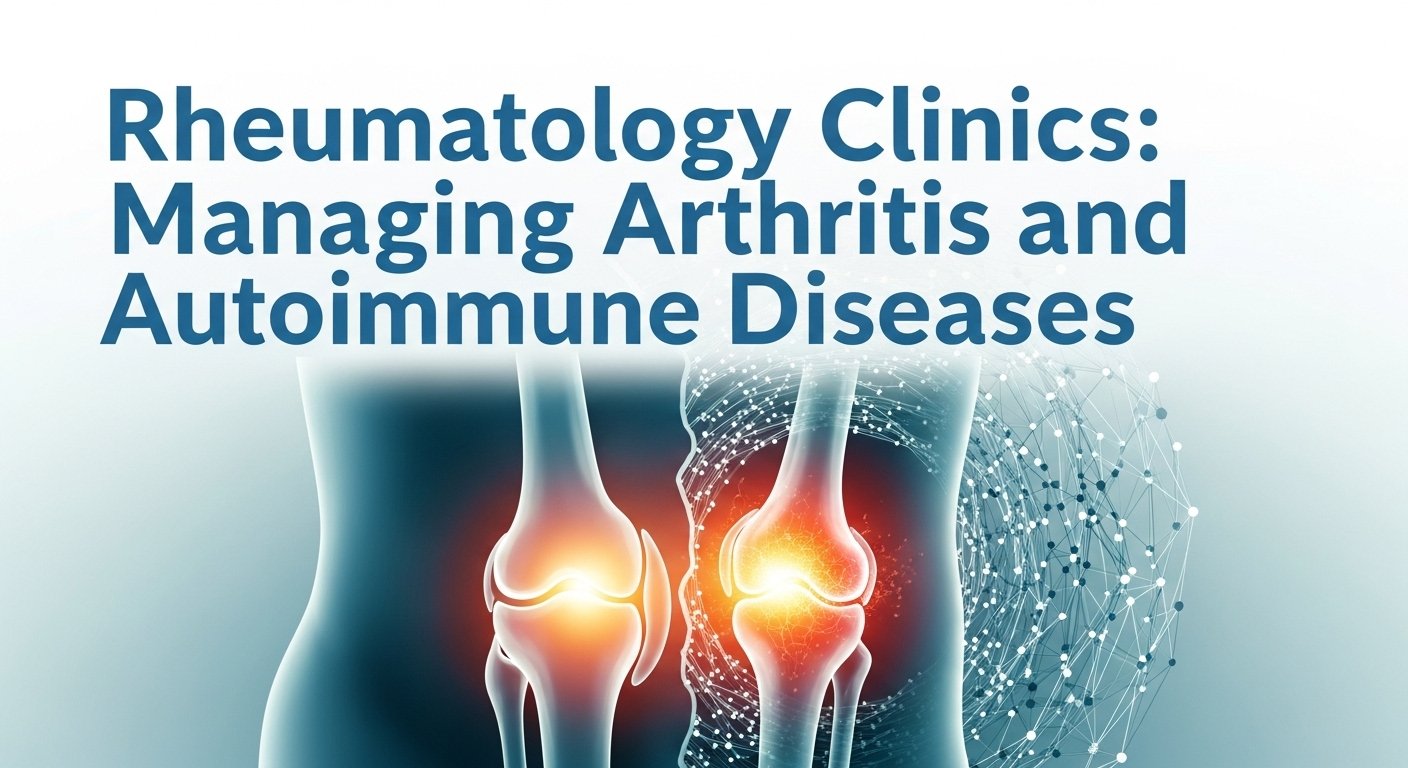
Rheumatology Clinics: Managing Arthritis andAutoimmune Diseases
Introduction
When it comes to joints and immune system, having access to the right medical expertise makes all the
difference. A rheumatology clinics managing arthritis and autoimmune diseases provides specialized care
that general practitioners often cannot offer. This guide covers what you need to know about this important
healthcare resource.
Understanding Rheumatology Clinics
Specialized clinics focused on joints and immune system bring together expert practitioners, advanced
equipment, and evidence-based protocols to address conditions that require more than a routine
consultation. These facilities serve patients who need targeted, expert-level care.
Rheumatoid arthritis treatment
Rheumatoid arthritis treatment is a key service area at this type of clinic. Patients receive individualized
attention and a comprehensive approach that addresses both immediate concerns and long-term health
management. The team works collaboratively to ensure each patient achieves the best possible outcome.
Regular follow-up and patient education are essential components of quality care in this specialty.
Lupus and autoimmune care
Lupus and autoimmune care is a key service area at this type of clinic. Patients receive individualized
attention and a comprehensive approach that addresses both immediate concerns and long-term health
management. The team works collaboratively to ensure each patient achieves the best possible outcome.
Regular follow-up and patient education are essential components of quality care in this specialty.
Gout management
Gout management is a key service area at this type of clinic. Patients receive individualized attention and
a comprehensive approach that addresses both immediate concerns and long-term health management.
The team works collaboratively to ensure each patient achieves the best possible outcome. Regular
follow-up and patient education are essential components of quality care in this specialty.
Biologics and advanced therapies
Biologics and advanced therapies is a key service area at this type of clinic. Patients receive individualized
attention and a comprehensive approach that addresses both immediate concerns and long-term health
management. The team works collaboratively to ensure each patient achieves the best possible outcome.
Regular follow-up and patient education are essential components of quality care in this specialty.
Joint protection strategies
Joint protection strategies is a key service area at this type of clinic. Patients receive individualized
attention and a comprehensive approach that addresses both immediate concerns and long-term health
management. The team works collaboratively to ensure each patient achieves the best possible outcome.
Regular follow-up and patient education are essential components of quality care in this specialty.
When to Seek Specialized Clinic Care
If you’re experiencing symptoms or conditions related to joints and immune system, don’t wait for
problems to worsen. Early evaluation at a specialized clinic leads to faster diagnosis, more effective
treatment, and better outcomes. Ask your primary care provider for a referral or search for accredited
clinics in your area.
Conclusion
Specialized clinics dedicated to joints and immune system play a vital role in comprehensive healthcare.
By combining expertise, technology, and compassionate care, they help patients manage complex
conditions and improve their quality of life. Finding the right clinic for your specific needs is an important
step on your healthcare journey.
Frequently Asked Questions (FAQs)
Q1: What should I expect at my first visit to this type of clinic?
A: Your first visit typically includes a detailed health history, physical examination, review of previous
records, and development of a personalized care plan.
Q2: Do I need a referral to visit a rheumatology clinics clinic?
A: Requirements vary by location and insurance plan. Many specialized clinics accept self-referrals,
while others may require a referral from your primary care provider.
Q3: How often will I need follow-up appointments?
A: Follow-up frequency depends on your specific condition and treatment plan. Your care team will
advise you on the recommended schedule.
Q4: Is specialized clinic care covered by insurance?
A: Most insurance plans cover medically necessary specialized care, but it’s always a good idea to
verify your coverage and any referral requirements before your appointment.
Q5: What can I do to prepare for my appointment?
A: Bring a list of current medications, previous test results, insurance information, and any questions
you have for your provider. Being prepared helps maximize your appointment time.