

Visiting a clinic for the first time can feel a little confusing or even stressful, especially if you are unsure about the process. Whether you are going for a regular health checkup, a specific illness, or a consultation, knowing what to expect can make your visit smooth and comfortable.
What Is a Clinic and How Does It Work?
A clinic is a healthcare center that provides outpatient medical services. Unlike hospitals, clinics usually do not handle major surgeries or emergency care but focus on general health issues and preventive care.
Clinics may include:
- General physician clinics
- Dental clinics
- Eye clinics
- Skin clinics
- Pediatric clinics
- Specialized consultation clinics
The main goal of a clinic is to diagnose health issues early and provide basic treatment or referrals when necessary.
Why You May Need to Visit a Clinic
There are many reasons why people visit clinics, especially for routine care.
Common reasons include:
- Fever, cold, or infection
- Regular health checkups
- Vaccinations
- Minor injuries
- Chronic disease management (diabetes, BP)
- Specialist consultation
- Health screening tests
Clinics are ideal for non-emergency but important medical needs.
Booking an Appointment
Before visiting a clinic, you may need to book an appointment.
Walk-in vs Appointment
- Walk-in: You can directly visit the clinic, but you may have to wait longer.
- Appointment: You book a time slot in advance, reducing waiting time.
How to Book
- Phone call
- Clinic website
- Online healthcare apps
- Direct visit at reception
Booking in advance is always recommended for a smooth experience.
Registration Process at the Clinic
When you arrive at the clinic for the first time, you will need to register as a patient.
What happens during registration:
- Filling a patient form
- Providing ID proof (if required)
- Sharing contact details
- Creating a patient file or record
This helps the clinic maintain your medical history for future visits.
Waiting Area Experience
After registration, patients usually wait for their turn to see the doctor.
What to expect:
- Seating in a waiting area
- Display or announcement of token numbers
- Waiting time depending on patient load
Many modern clinics use digital token systems to manage queues efficiently.
Meeting the Doctor
The consultation with the doctor is the most important part of your visit.
During the consultation:
- Doctor asks about your symptoms
- You explain your health problem
- Doctor may check your medical history
- Physical examination may be done
Be honest and clear about your symptoms to help the doctor diagnose correctly.
Diagnosis and Medical Advice
After examining you, the doctor may provide a diagnosis.
Possible outcomes:
- Prescription of medicines
- Advice for lifestyle changes
- Recommendation for tests (blood test, X-ray, etc.)
- Referral to a specialist or hospital
Follow the doctor’s instructions carefully for faster recovery.
Medical Tests (If Required)
Sometimes doctors may ask for diagnostic tests to understand your condition better.
Common tests include:
- Blood tests
- Urine tests
- X-rays
- ECG
- Ultrasound
These tests help confirm the diagnosis and guide treatment.
Pharmacy and Medication
Most clinics have a pharmacy nearby or inside the clinic.
What happens:
- You receive a prescription from the doctor
- Medicines are purchased from the pharmacy
- Pharmacist explains dosage and timing
Always follow the prescription exactly as advised.
Billing and Payment Process
After consultation, you need to complete the payment process.
Payment may include:
- Consultation fee
- Test charges
- Medicine cost
Payments can usually be made via cash, card, or digital payment methods.
Follow-Up Visits
In some cases, doctors may ask you to return for a follow-up visit.
Follow-up is needed for:
- Monitoring recovery
- Adjusting medication
- Reviewing test reports
Follow-up visits ensure proper treatment progress.
Tips for Your First Clinic Visit
Be prepared
Carry necessary documents like ID proof and previous medical records (if any).
Arrive early
This helps avoid long waiting times.
Write down symptoms
Note your symptoms in advance so you don’t forget anything.
Ask questions
Do not hesitate to ask the doctor about your condition or treatment.
Stay calm
Being relaxed helps you communicate better with the doctor.
Common Mistakes to Avoid
Many first-time patients make simple mistakes.
- Ignoring symptoms before visiting
- Not carrying ID or documents
- Missing follow-up appointments
- Not following prescriptions properly
- Self-medicating without advice
Avoiding these mistakes improves your treatment experience.
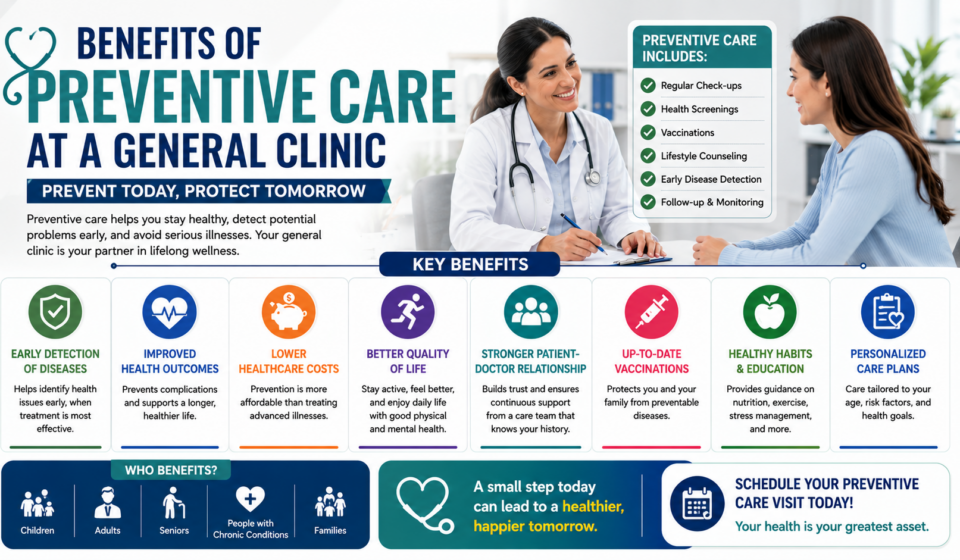
Benefits of Visiting a Clinic
Clinics play a major role in maintaining good health.
Key benefits:
- Early disease detection
- Affordable healthcare
- Quick consultation
- Easy access to doctors
- Preventive health care
Regular clinic visits help maintain long-term health.
Source
https://l1nq.com/fzy16zo
https://sl1nk.com/cbqvclp
Conclusion
Your first visit to a clinic is an important step toward managing your health. While it may feel uncertain at first, the process is simple and well-organized. From registration to consultation, diagnosis, and treatment, each step is designed to provide proper medical care.
By understanding what to expect, you can feel more confident and prepared during your visit. Clinics are essential for early diagnosis, preventive care, and overall well-being. Making regular visits when needed helps you stay healthy and avoid serious health issues in the future.
FAQs
1. What should I bring to my first clinic visit?
You should carry an ID proof, any previous medical reports, and a list of your symptoms.
2. Do I need an appointment for a clinic visit?
Some clinics accept walk-ins, but booking an appointment is recommended to reduce waiting time.
3. How long does a clinic visit take?
It usually takes 20 minutes to 1 hour depending on the number of patients.
4. Are clinics cheaper than hospitals?
Yes, clinics are generally more affordable for basic healthcare services.
5. What happens if I need advanced treatment?
The doctor will refer you to a hospital or specialist if required.
6. Can I get medicines at the clinic?
Yes, many clinics have an attached pharmacy where you can buy prescribed medicines.