
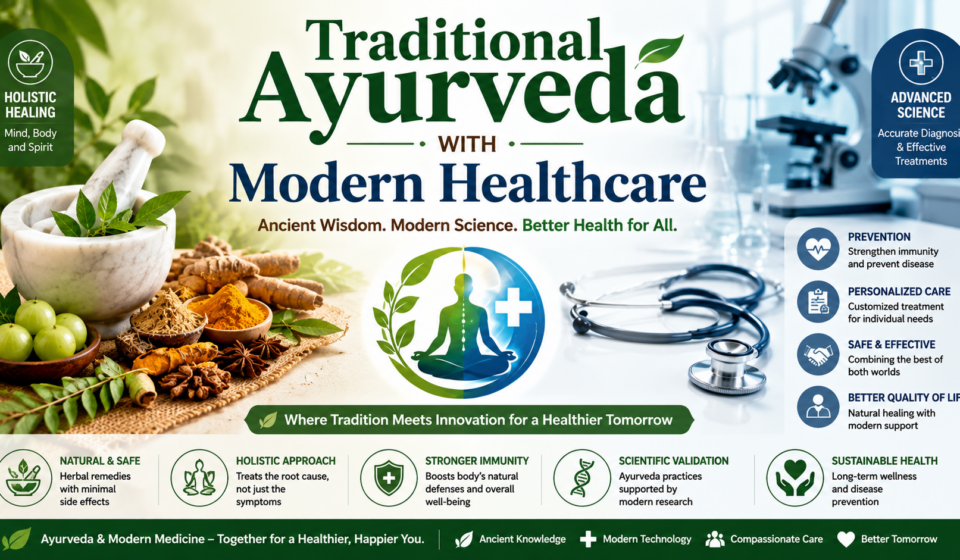

Healthcare has evolved significantly over the years, combining advanced medical technologies with patient-centered care to improve overall well-being. Despite the rapid growth of modern medicine, people around the world are increasingly turning toward natural healing methods to achieve long-term wellness. Ayurveda, one of the oldest healing systems in the world, continues to gain popularity because of its holistic approach to health and lifestyle management.
Understanding Traditional Ayurveda
Ayurveda is a natural healing system that originated in India over 5,000 years ago. The word “Ayurveda” comes from Sanskrit, where “Ayur” means life and “Veda” means knowledge. Ayurveda focuses on maintaining harmony between the body, mind, and spirit.
According to Ayurveda, every individual has a unique body constitution based on three doshas:
- Vata
- Pitta
- Kapha
An imbalance in these doshas can lead to physical and emotional health issues. Ayurvedic treatments aim to restore balance using:
- Herbal medicines
- Detox therapies
- Yoga
- Meditation
- Healthy nutrition
- Lifestyle modifications
Unlike treatments that only focus on symptoms, Ayurveda identifies the root cause of illness and promotes natural healing.
The Role of Modern Healthcare
Modern healthcare has transformed medical science through advanced technology, diagnostics, surgeries, and emergency care. Hospitals and medical professionals now use highly advanced tools for disease detection, treatment, and patient monitoring.
Some major strengths of modern healthcare include:
Accurate Diagnosis
Modern medical technology helps identify diseases quickly and accurately through laboratory tests and imaging systems.
Emergency and Critical Care
Modern healthcare is highly effective for trauma care, surgeries, infections, and life-threatening conditions.
Scientific Research
Continuous research and innovation help improve medicines, treatment methods, and healthcare systems.
Specialized Treatments
Patients now have access to specialized care for heart diseases, cancer, neurology, orthopedics, and many other medical conditions.
While modern medicine is highly effective for acute illnesses and emergencies, many people also seek holistic and preventive healthcare solutions for long-term wellness.
Combining Traditional Ayurveda with Modern Healthcare
The integration of Ayurveda with modern healthcare creates a balanced approach to wellness. This combination focuses not only on treating illness but also on improving overall quality of life.
Holistic Patient Care
Integrative healthcare addresses physical, mental, emotional, and lifestyle-related health concerns.
Personalized Treatment Plans
Ayurvedic principles help create customized wellness programs according to individual body types and health conditions.
Preventive Healthcare
Ayurveda promotes healthy habits that help prevent diseases before they develop.
Complementary Therapies
Many patients use Ayurvedic therapies alongside modern medical treatments for stress management, pain relief, and faster recovery.
This integrated approach allows patients to experience the benefits of both traditional healing and modern science.
Popular Ayurvedic Treatments Used in Modern Wellness Centers
Many modern wellness clinics now include Ayurvedic therapies as part of their healthcare services.
Panchakarma Detox Therapy
Panchakarma is a cleansing therapy designed to remove toxins from the body and restore balance. It includes:
- Abhyanga massage
- Shirodhara
- Nasya therapy
- Herbal steam treatments
- Basti therapy
Panchakarma is widely used for stress reduction, improved digestion, and body rejuvenation.
Ayurvedic Herbal Medicine
Natural herbs are commonly used to support immunity, digestion, energy, and overall wellness.
Ayurvedic Massage Therapy
Herbal oil massages help relax muscles, improve circulation, and reduce stress.
Yoga and Meditation
Yoga and meditation are important components of Ayurvedic wellness programs that support mental clarity and emotional balance.
Dietary and Lifestyle Counseling
Ayurvedic experts guide patients on healthy eating habits and daily routines according to their dosha type.
Benefits of Integrating Ayurveda with Modern Healthcare
Improved Overall Wellness
Combining natural healing methods with modern treatments supports complete health improvement.
Better Stress Management
Ayurvedic therapies such as meditation and Shirodhara help calm the mind and reduce anxiety.
Enhanced Immunity
Natural herbs and wellness practices strengthen the body’s immune system.
Reduced Side Effects
Some patients use Ayurveda alongside conventional treatments to support recovery and reduce discomfort.
Long-Term Lifestyle Improvement
Ayurveda encourages sustainable health habits for better long-term wellness.
Support for Chronic Conditions
Integrative healthcare is commonly used for conditions such as:
- Arthritis
- Diabetes management
- Digestive disorders
- Sleep problems
- Stress-related illnesses
- Chronic pain
The Importance of Preventive Healthcare
One of Ayurveda’s greatest strengths is its focus on prevention. Instead of waiting for illness to develop, Ayurveda promotes healthy living through:
- Balanced nutrition
- Daily exercise
- Proper sleep
- Stress management
- Seasonal detoxification
- Mental wellness practices
Modern healthcare systems are also increasingly recognizing the importance of preventive care to reduce long-term health risks.
Together, preventive healthcare and natural wellness therapies can help people maintain healthier lifestyles and reduce the chances of chronic disease.
How Modern Wellness Clinics Are Adopting Ayurveda
Today’s healthcare industry is evolving rapidly, and many hospitals and wellness centers now integrate Ayurvedic services into their healthcare programs.
Luxury Wellness Retreats
Premium wellness resorts offer Ayurvedic therapies alongside spa treatments and medical wellness services.
Integrative Health Clinics
Many clinics combine physiotherapy, nutrition counseling, yoga, and Ayurveda with medical care.
Corporate Wellness Programs
Companies now include yoga, stress management, and Ayurvedic wellness activities for employees.
Digital Healthcare Consultations
Online Ayurvedic consultations allow patients to receive personalized wellness guidance remotely.
This growing integration reflects the increasing demand for holistic healthcare solutions worldwide.
Ayurveda for Mental and Emotional Wellness
Mental health has become an important part of modern healthcare discussions. Ayurveda believes emotional balance is essential for physical health.
Ayurvedic wellness programs often include:
- Meditation practices
- Breathing exercises
- Relaxation therapies
- Herbal support for stress
- Positive lifestyle routines
These practices help individuals improve focus, reduce anxiety, and achieve emotional stability naturally.
Challenges in Integrating Ayurveda and Modern Medicine
Although integrative healthcare offers many benefits, there are still some challenges.
Need for Scientific Validation
More clinical studies are needed to support certain Ayurvedic treatments scientifically.
Standardization of Herbal Medicines
Ensuring quality and consistency in herbal products remains important.
Awareness and Education
Patients should consult qualified professionals before combining treatments.
Professional Collaboration
Better communication between Ayurvedic practitioners and medical doctors can improve patient care.
Despite these challenges, integrative healthcare continues to grow globally.
The Future of Holistic Healthcare
The future of healthcare is likely to focus more on personalized, preventive, and holistic wellness solutions. Traditional Ayurveda and modern healthcare together can create a stronger healthcare system that supports:
- Natural healing
- Advanced medical care
- Mental wellness
- Preventive healthcare
- Healthy lifestyle management
As people become more health-conscious, the demand for integrative healthcare services will continue to rise.
Source
Conclusion
Traditional Ayurveda with modern healthcare offers a balanced and effective approach to wellness by combining ancient healing wisdom with advanced medical science. While modern medicine provides accurate diagnosis, emergency care, and specialized treatments, Ayurveda supports preventive healthcare, natural healing, and lifestyle balance.
This integrative healthcare model helps individuals improve physical health, mental wellness, immunity, and overall quality of life. From Panchakarma detox therapies and herbal treatments to yoga and meditation, Ayurveda complements modern healthcare by promoting long-term wellness naturally.
As healthcare continues to evolve, the integration of Ayurveda and modern medicine is becoming increasingly important for creating healthier and more sustainable lifestyles. Choosing a wellness-focused healthcare approach can help individuals achieve complete balance in mind, body, and spirit.
FAQs
1. What is Ayurveda?
Ayurveda is an ancient Indian system of natural healing focused on balancing the mind, body, and spirit for overall wellness.
2. Can Ayurveda and modern medicine work together?
Yes, many wellness clinics combine Ayurvedic therapies with modern medical treatments to support holistic healthcare and long-term wellness.
3. What are the benefits of integrative healthcare?
Integrative healthcare offers personalized treatment, preventive care, stress management, and overall wellness support.
4. Is Ayurvedic treatment safe?
Ayurvedic treatments are generally safe when provided by qualified practitioners using authentic herbal medicines and therapies.
5. What is Panchakarma therapy?
Panchakarma is an Ayurvedic detoxification process that removes toxins from the body and restores internal balance.