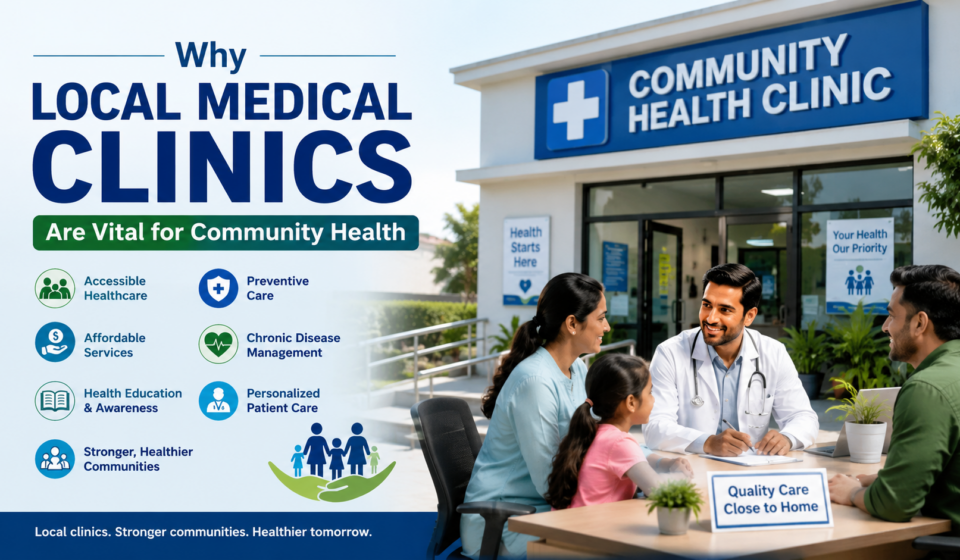

Local medical clinics play a very important role in building healthier communities. While large hospitals are essential for advanced treatment and emergency care, local clinics are often the first place people visit when they need medical advice, routine checkups, preventive care, or treatment for common health problems. These clinics are close to where people live, making healthcare easier, faster, and more affordable.
Easy Access to Healthcare Services
One of the biggest reasons local medical clinics are important is accessibility. Not everyone can travel long distances to a large hospital, especially elderly people, working families, children, and patients with limited transportation. Local clinics are usually located within neighborhoods, towns, or nearby areas, making it easier for people to get medical help when they need it.
When healthcare is close to home, people are more likely to visit a doctor regularly. This helps prevent small health problems from becoming serious. Easy access also saves time and reduces stress for patients and families.
Affordable Medical Care for Families
Healthcare costs can be a major concern for many people. Local medical clinics often provide more affordable services compared to large hospitals. For routine checkups, minor illnesses, basic treatments, and preventive care, clinics can be a cost-effective option.
Affordable healthcare encourages people to seek treatment early instead of delaying care due to financial worries. This is especially important for low-income families and communities where medical expenses can become a burden.
Early Diagnosis and Preventive Care
Local clinics are vital for early detection of health problems. Regular checkups, screenings, and basic tests can help identify diseases before they become severe. Conditions such as diabetes, high blood pressure, infections, asthma, and heart-related risks can often be managed better when detected early.
Preventive care is one of the strongest benefits of local medical clinics. Clinics provide vaccinations, health screenings, lifestyle advice, and routine health monitoring. These services help reduce the risk of serious illness and improve long-term community health.
Support for Chronic Disease Management
Many people live with long-term health conditions such as diabetes, hypertension, thyroid disorders, asthma, arthritis, and heart disease. Managing these conditions requires regular monitoring, medication guidance, and lifestyle support.
Local clinics help patients manage chronic diseases through follow-up visits, prescription reviews, blood pressure checks, sugar level monitoring, and health counseling. Because clinics are nearby, patients can visit more consistently, which leads to better health outcomes.
Building Trust Between Doctors and Patients
Community health improves when patients trust their healthcare providers. Local medical clinics often build long-term relationships with patients and families. Doctors and staff become familiar with a patient’s medical history, lifestyle, and personal health needs.
This trust makes patients more comfortable discussing symptoms, concerns, and treatment options. A strong doctor-patient relationship also encourages better communication, regular visits, and proper treatment follow-through.
Reducing Pressure on Large Hospitals
Hospitals are often crowded with emergency cases, surgeries, and serious medical conditions. Local medical clinics help reduce this pressure by handling routine illnesses, minor injuries, follow-up care, and preventive services.
When clinics manage non-emergency health concerns, hospitals can focus more on critical and specialized care. This improves the overall efficiency of the healthcare system and helps patients receive the right level of care at the right place.
Health Education and Awareness
Local clinics do more than treat illness. They also educate people about health. Doctors and healthcare workers can guide patients on nutrition, exercise, hygiene, mental wellness, vaccination, women’s health, child care, and disease prevention.
Health awareness is important for preventing illness in the community. When people understand how to take care of their health, they make better lifestyle choices. Clinics can also organize health camps, awareness programs, and screening events to reach more people.
Important Role in Maternal and Child Health
Local medical clinics are especially important for women, mothers, and children. They provide prenatal checkups, postnatal care, child vaccinations, growth monitoring, nutrition advice, and treatment for common childhood illnesses.
Regular clinic visits during pregnancy and early childhood help prevent complications and support healthy development. Families can receive guidance from healthcare professionals without needing to travel far for basic care.
Quick Treatment for Common Illnesses
People often need medical help for fever, cough, cold, infections, stomach problems, skin issues, allergies, minor wounds, and body pain. Local clinics provide quick diagnosis and treatment for these everyday health concerns.
Fast treatment helps patients recover sooner and prevents the spread of infections in the community. For working adults and students, nearby clinics also reduce missed workdays and school days.
Supporting Mental and Emotional Well-Being
Community health is not only about physical illness. Mental and emotional health are also important. Many local clinics now recognize the need for mental health support and can provide basic counseling, stress management advice, or referrals to specialists.
When mental health conversations start at the local clinic level, people may feel more comfortable seeking help. This can reduce stigma and encourage early support for anxiety, depression, stress, and emotional challenges.
Emergency Guidance and Referrals
Local clinics may not handle major emergencies, but they play an important role in identifying serious conditions and guiding patients to the right specialist or hospital. If a patient has severe symptoms, the clinic can provide first-level assessment and recommend urgent care.
Clinics also help patients understand which specialist they need, whether it is a cardiologist, dermatologist, gynecologist, pediatrician, or orthopedic doctor. This saves time and helps patients avoid confusion.
Strengthening Community Health Systems
A strong healthcare system depends on both hospitals and local clinics. Clinics act as the foundation of community healthcare by providing continuous, basic, and preventive medical support.
They help track common health problems in the area, support public health programs, and respond to seasonal illnesses. During disease outbreaks or public health emergencies, local clinics can play a key role in awareness, testing, vaccination, and early treatment.
Personalized Care for Local Needs
Every community has different health needs. Some areas may have more elderly patients, while others may have more children, working professionals, or people with lifestyle-related diseases. Local clinics understand these needs better because they serve the same population regularly.
This allows clinics to provide more personalized and relevant care. They can focus on the health issues most common in their community and offer practical solutions that match local lifestyles.
Source
https://sl1nk.com/hoap23j
https://l1nq.com/73cgsb8
Conclusion
Local medical clinics are vital for community health because they make healthcare accessible, affordable, and personal. They provide early diagnosis, preventive care, chronic disease management, health education, family healthcare, and quick treatment for common illnesses. By building trust with patients and supporting everyday medical needs, clinics help create healthier and stronger communities.
As healthcare continues to evolve, local clinics will remain an essential part of the system. They connect people with the care they need close to home and help prevent serious health problems before they become difficult to manage. For families, children, elderly people, and working individuals, local medical clinics are not just healthcare centers—they are trusted partners in long-term wellness.
FAQs
1. Why are local medical clinics important for communities?
Local medical clinics are important because they provide easy access to basic healthcare, preventive care, routine checkups, and treatment for common illnesses close to where people live.
2. How do clinics help in preventive healthcare?
Clinics support preventive healthcare through vaccinations, health screenings, regular checkups, lifestyle advice, and early detection of diseases such as diabetes and high blood pressure.
3. Are local clinics more affordable than hospitals?
In many cases, local clinics are more affordable for routine medical care, minor illnesses, follow-up visits, and preventive services compared to large hospitals.
4. Can local clinics manage chronic diseases?
Yes, local clinics can help manage chronic conditions like diabetes, hypertension, asthma, thyroid problems, and heart-related risks through regular monitoring and follow-up care.
5. When should someone visit a local medical clinic?
A person should visit a local clinic for routine checkups, fever, cold, infections, minor injuries, vaccinations, health screenings, medication advice, and ongoing health monitoring.