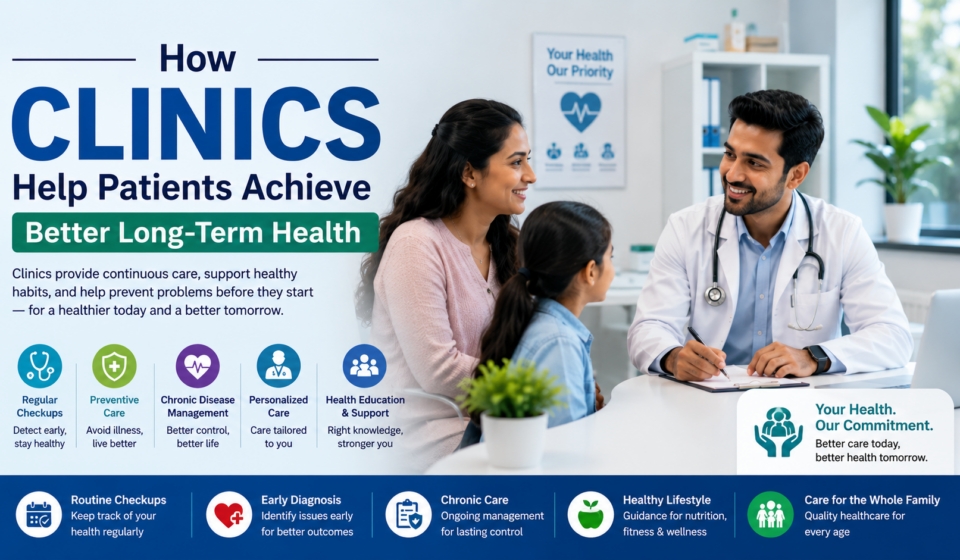

Good health is not built in one day. It depends on regular care, early diagnosis, healthy habits, and proper medical guidance. Clinics play an important role in helping patients maintain better long-term health by providing accessible, affordable, and continuous healthcare services. Whether someone needs a routine checkup, preventive screening, vaccination, chronic disease management, or medical advice, clinics are often the first place people visit.
Regular Checkups Support Long-Term Wellness
One of the most important ways clinics help patients is through regular health checkups. Many diseases develop silently without clear symptoms in the early stages. Conditions like high blood pressure, diabetes, thyroid problems, cholesterol imbalance, and heart-related risks can go unnoticed for a long time.
Routine clinic visits help doctors monitor a patient’s overall health. Basic tests, physical examinations, and health discussions can detect early warning signs. When health issues are found early, treatment becomes easier, more effective, and less expensive.
Preventive Care Helps Avoid Serious Illness
Clinics are not only places for treating illness. They are also centers for preventive healthcare. Preventive care includes vaccinations, screenings, lifestyle advice, nutrition guidance, and health education. These services help reduce the risk of future health problems.
For example, regular blood pressure checks can help prevent heart disease. Diabetes screening can help patients control sugar levels before complications develop. Vaccinations protect both individuals and communities from infectious diseases. By focusing on prevention, clinics help patients stay healthier for longer.
Early Diagnosis Improves Treatment Results
Early diagnosis is one of the strongest benefits of clinic-based care. When patients visit clinics for symptoms such as fatigue, fever, pain, weight changes, breathing problems, or digestive issues, doctors can evaluate the condition and recommend proper treatment.
Early detection gives patients more treatment options and better chances of recovery. It also helps prevent complications. For long-term health, identifying problems at the right time is extremely important, and clinics make this possible through accessible medical care.
Chronic Disease Management Made Easier
Many patients live with chronic health conditions such as diabetes, hypertension, asthma, arthritis, heart disease, and thyroid disorders. These conditions require regular monitoring, medication management, and lifestyle changes.
Clinics help patients manage chronic diseases through follow-up appointments, prescription reviews, lab tests, diet advice, and ongoing support. Doctors can track progress and adjust treatment when needed. This continuous care helps patients avoid complications and improve their quality of life.
Personalized Medical Guidance
Every patient has different health needs. Age, lifestyle, family history, diet, work habits, stress levels, and existing medical conditions all affect long-term health. Clinics provide personalized care based on each patient’s condition.
A doctor at a clinic can understand a patient’s medical history over time and provide advice that fits their situation. Personalized care helps patients make better decisions about exercise, food, medication, sleep, stress management, and disease prevention.
Health Education Builds Better Habits
Long-term health depends greatly on daily habits. Clinics help patients understand how lifestyle choices affect their body. Healthcare professionals can explain the importance of balanced nutrition, regular exercise, proper sleep, hydration, hygiene, and stress control.
When patients receive clear health education, they become more confident in managing their wellness. Clinics also help correct misinformation and guide patients toward safe, practical health choices.
Medication Management and Safety
Many people take medicines for short-term or long-term conditions. Taking the wrong dose, skipping medication, or mixing medicines without guidance can cause health risks. Clinics help patients use medications safely and correctly.
Doctors can review prescriptions, explain side effects, adjust doses, and check whether medicines are working properly. For patients with chronic diseases, medication management is especially important for long-term health and safety.
Mental Health Support and Counseling
Physical health and mental health are closely connected. Stress, anxiety, depression, poor sleep, and emotional pressure can affect the body and increase the risk of illness. Clinics can support patients by identifying mental health concerns early and offering basic counseling or referrals.
Many patients feel more comfortable discussing emotional problems with a trusted local doctor. Early support can prevent mental health concerns from becoming more serious and help patients maintain overall well-being.
Family Healthcare in One Place
Clinics often provide care for people of all ages, including children, adults, and elderly patients. This makes them useful for family healthcare. Parents can bring children for vaccinations and growth checks, adults can get routine screenings, and seniors can receive chronic disease monitoring.
Having one trusted clinic for the whole family improves continuity of care. Doctors can understand family medical history and identify common health risks. This helps families stay healthier together.
Better Access to Specialists Through Referrals
Clinics also guide patients when specialist care is needed. Not every health issue can be treated at a basic clinic, but clinic doctors can identify when a patient should see a specialist such as a cardiologist, dermatologist, gynecologist, orthopedic doctor, or neurologist.
This saves time and prevents confusion. Proper referrals help patients reach the right expert quickly, which improves diagnosis and treatment outcomes.
Affordable Healthcare Encourages Timely Care
Many patients delay medical care because they worry about cost. Clinics often provide affordable services for routine treatment, consultations, checkups, and basic tests. This encourages people to seek medical help early instead of waiting until the condition worsens.
Timely care is essential for long-term health. When patients visit clinics before problems become serious, they can avoid expensive treatments, hospitalizations, and complications.
Community Health and Disease Prevention
Clinics help not only individual patients but also the entire community. Through vaccination drives, health camps, screenings, awareness programs, and disease prevention campaigns, clinics support public health.
During seasonal illnesses or outbreaks, clinics can educate people about symptoms, hygiene, testing, and treatment. This helps reduce the spread of disease and protects vulnerable groups such as children, elderly people, and those with weak immune systems.
Building Long-Term Doctor-Patient Trust
Trust is very important in healthcare. When patients visit the same clinic regularly, they build a relationship with doctors and medical staff. This makes communication easier and more honest.
Patients are more likely to share symptoms, ask questions, and follow medical advice when they trust their healthcare provider. This strong relationship supports better long-term health outcomes.
Encouraging Healthy Lifestyle Changes
Clinics help patients make realistic lifestyle changes. Doctors can guide patients on weight management, exercise routines, smoking cessation, alcohol reduction, diet improvements, and stress control.
Small changes made consistently can lead to major improvements in long-term health. With regular clinic support, patients stay motivated and accountable.
Source
https://l1nq.com/e92qi7f
https://sl1nk.com/5gpmflo
Conclusion
Clinics play a powerful role in helping patients achieve better long-term health. They provide regular checkups, preventive care, early diagnosis, chronic disease management, personalized advice, medication guidance, mental health support, and family healthcare services. By making medical care more accessible and affordable, clinics encourage patients to take care of their health before problems become serious.
Long-term wellness is a continuous journey, and clinics act as trusted partners in that journey. With regular visits, proper guidance, and healthy lifestyle choices, patients can improve their quality of life and reduce the risk of future health complications.
FAQs
1. How do clinics help improve long-term health?
Clinics improve long-term health by offering regular checkups, preventive screenings, early diagnosis, chronic disease care, medication guidance, and lifestyle advice.
2. Why are regular clinic visits important?
Regular visits help detect health problems early, monitor existing conditions, and prevent serious complications through timely medical care.
3. Can clinics help manage chronic diseases?
Yes, clinics help manage chronic diseases such as diabetes, high blood pressure, asthma, thyroid disorders, and heart-related conditions through regular follow-ups and treatment plans.
4. Do clinics provide preventive healthcare?
Yes, clinics provide preventive care such as vaccinations, health screenings, lifestyle counseling, and routine medical checkups.
5. When should a patient visit a clinic?
A patient should visit a clinic for routine checkups, minor illnesses, vaccinations, health screenings, chronic disease follow-ups, medication advice, and early symptoms of health problems.