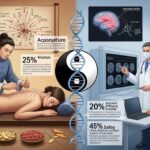


Integrative medicine — an approach that combines conventional Western medicine with evidence-informed complementary practices to address the whole person (body, mind, and spirit) — has moved from the fringes to the mainstream of academic medical centers and many outpatient clinics. Major academic institutions including Mayo Clinic, Cleveland Clinic, Johns Hopkins, and many others now have established integrative medicine programs. This guide explains what integrative medicine involves, what evidence supports specific practices, and how to access it through a clinic setting.
Core Principles of Integrative Medicine
Integrative medicine is distinguished by its whole-person approach — recognizing that physical, mental, social, spiritual, and environmental factors all contribute to health and disease. It emphasizes the therapeutic partnership between patient and provider, uses all appropriate evidence-based therapeutic approaches regardless of origin (conventional or complementary), and focuses on the least invasive effective intervention while acknowledging that recovery involves the body’s natural healing capacity.
Evidence-Based Complementary Therapies
Mind-Body Practices
Mindfulness-based stress reduction (MBSR), cognitive behavioral therapy, meditation, guided imagery, and yoga have substantial evidence for managing chronic pain, anxiety, depression, cardiovascular disease, and cancer-related distress. These are now offered in many integrative medicine clinics and mainstream clinical settings.
Acupuncture
The evidence base for acupuncture is strongest for chronic pain conditions — back pain, neck pain, osteoarthritis, and headache — where it has demonstrated effectiveness in multiple high-quality clinical trials. The NIH Consensus Statement and many clinical guidelines recognize acupuncture as an appropriate evidence-based option for these conditions.
Nutrition and Lifestyle Medicine
Comprehensive dietary assessment, plant-forward dietary interventions, and lifestyle modification programs for cardiovascular disease, diabetes, and cancer risk reduction are core integrative medicine offerings with the strongest evidence base of any integrative approach.
What Integrative Medicine Is Not
Integrative medicine is not unscientific alternative medicine — it evaluates complementary practices using the same evidence standards applied to conventional treatments. Practices with no evidence of efficacy or with potential for harm are not incorporated, regardless of tradition or popularity.
Conclusion
Integrative medicine offers evidence-based complementary tools that expand the treatment options available beyond pharmaceutical and procedural interventions. If you are interested in integrative approaches to your health, look for integrative medicine clinics affiliated with academic medical centers where evidence-based practice standards are applied to complementary therapies.
FAQs – Integrative Medicine
Q1. Is integrative medicine covered by insurance?
A: Coverage varies significantly. Mind-body therapies, acupuncture (for some conditions at some plans), and nutrition counseling have increasing coverage. Many integrative services are paid out-of-pocket. Some employers offer integrative medicine benefits through wellness programs. Check your specific plan.
Q2. What is the difference between integrative and alternative medicine?
A: Alternative medicine replaces conventional medicine. Integrative medicine uses complementary approaches alongside evidence-based conventional medicine. Integrative medicine does not reject conventional treatment — it adds to it while maintaining the evidence standard that conventional medicine applies to all treatments.
Q3. Can herbs and supplements interfere with my conventional medications?
A: Yes — this is why integrative medicine programs conduct comprehensive supplement reviews. Many herbs have real pharmacological activity that interacts with drugs. Integrative medicine clinicians are trained to evaluate and manage these interactions, making disclosure of all supplements to your entire healthcare team essential.
Q4. Is acupuncture safe?
A: Acupuncture performed by licensed acupuncturists using sterile, single-use needles is very safe. Serious adverse events are rare. Minor adverse effects (bruising, soreness, occasional fainting) are more common. In the integrative medicine setting, licensed practitioners with appropriate training provide acupuncture with proper safety standards.
Q5. Can integrative medicine cure serious illnesses?
A: No. Integrative medicine does not claim to cure serious illness through complementary approaches — its value lies in supporting wellbeing, managing symptoms, reducing treatment side effects, and improving quality of life alongside conventional treatment. Any integrative provider claiming to cure cancer or other serious diseases with complementary approaches alone is not practicing integrative medicine.