
Hypertension treatment with antihypertensive medications reduces the risk of heart attack, stroke, kidney failure, and death — making blood pressure control one of the highest-yield interventions in preventive medicine. However, the range of available antihypertensive medication classes creates complexity in choosing the right medication for each patient, and many patients cycle through multiple medications before finding one that is both effective and well-tolerated. Medical clinics select antihypertensive medications based on blood pressure severity, co-existing conditions, and patient-specific factors. This guide explains the major antihypertensive medication classes and how they are selected.
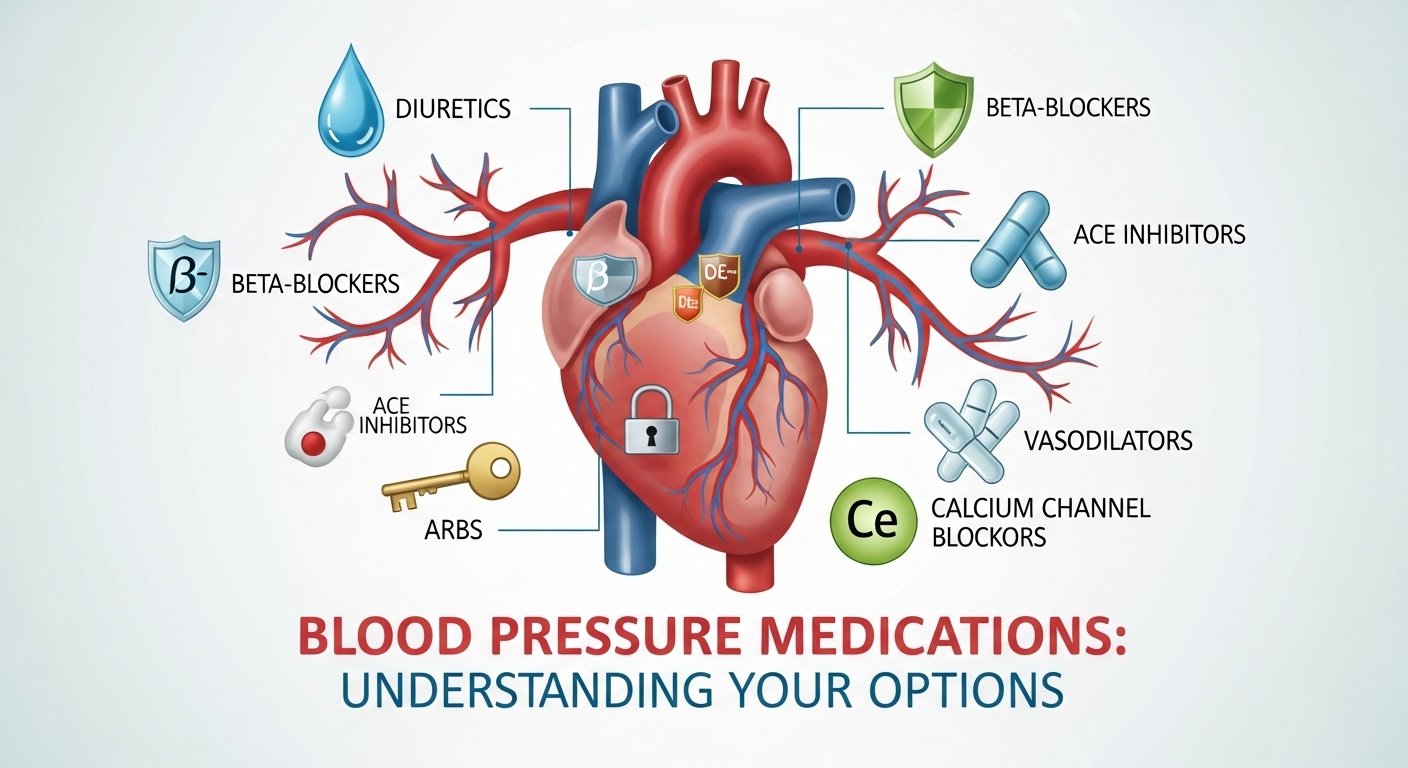
First-Line Antihypertensive Medication Classes
Thiazide Diuretics
Chlorthalidone and hydrochlorothiazide reduce blood pressure by reducing fluid volume. Effective, inexpensive, and well-tolerated. Preferred as first-line for most uncomplicated hypertension. Potential side effects: hypokalemia (low potassium), hyponatremia, hyperuricemia (may trigger gout), glucose intolerance.
ACE Inhibitors and ARBs
Block the renin-angiotensin-aldosterone system, providing blood pressure reduction plus organ protection in patients with diabetes (reducing diabetic kidney disease progression), chronic kidney disease, and heart failure. ACE inhibitors cause persistent dry cough in 10–15% of patients — ARBs (angiotensin receptor blockers) provide equivalent benefits without this side effect. Not used in pregnancy (teratogenic).
Calcium Channel Blockers
Amlodipine and felodipine (dihydropyridine CCBs) relax blood vessel walls; diltiazem and verapamil (non-dihydropyridines) also reduce heart rate. Effective for hypertension alone and in combination. Amlodipine commonly causes ankle edema. Non-dihydropyridine CCBs are used cautiously with beta-blockers due to combined heart rate slowing effects.
Beta-Blockers
Reduce heart rate and cardiac output. Preferred for hypertension with coronary artery disease, heart failure with reduced ejection fraction, and post-MI. Less effective as monotherapy for uncomplicated hypertension in older patients. Side effects: fatigue, cold extremities, exacerbation of reactive airway disease, and sexual dysfunction.
Combination Therapy
Most patients with hypertension eventually require two or more medications for adequate blood pressure control — single-drug therapy achieves target blood pressure in fewer than 50% of hypertensive patients. Single-pill combinations (containing two antihypertensives) improve adherence by reducing pill burden.
Conclusion
The right antihypertensive medication for you depends on your specific blood pressure level, co-existing conditions, risk factors, and tolerability. Work with your clinic to find the combination that effectively controls your blood pressure with manageable side effects — trial of different agents when side effects occur is expected and appropriate rather than a sign of treatment failure.
FAQs – Blood Pressure Medications
Q1. Why do I have to take blood pressure medication forever?
A: For most patients with essential hypertension, the physiological changes driving high blood pressure persist without medication. Stopping antihypertensives typically causes blood pressure to return to elevated levels. Some patients who achieve significant weight loss and lifestyle improvement may be able to reduce or discontinue medication under medical supervision — but this is the exception, not the rule.
Q2. Does it matter what time of day I take blood pressure medication?
A: Evidence is mixed and varies by specific medication. Some research suggests evening dosing reduces nighttime blood pressure and may improve cardiovascular outcomes. Your provider’s specific dosing instruction should be followed. Most importantly, take it consistently at the same time each day to avoid forgetting doses.
Q3. Can I take blood pressure medication if I have low blood pressure sometimes?
A: This is an important clinical consideration — antihypertensives in patients with blood pressure that drops significantly with position change (orthostatic hypotension) or during exercise increase fall risk. Your provider monitors for this and adjusts medications accordingly. Report dizziness on standing to your clinic promptly.
Q4. Are there blood pressure medications safe in pregnancy?
A: ACE inhibitors and ARBs are contraindicated in pregnancy. Beta-blockers (labetalol), methyldopa, and nifedipine are safe options for hypertension during pregnancy. Chronic hypertension in pregnancy requires careful management by a provider familiar with pregnancy-safe antihypertensive options.
Q5. What is a “white coat” effect and how does it affect treatment?
A: White coat hypertension — blood pressure elevated in clinical settings but normal outside them — is present in 15–30% of patients diagnosed with hypertension. Home blood pressure monitoring or ambulatory monitoring distinguishes white coat from true hypertension. Treating white coat hypertension unnecessarily with medications can cause dangerous hypotension. Your clinic may request home readings to clarify your true blood pressure pattern.