
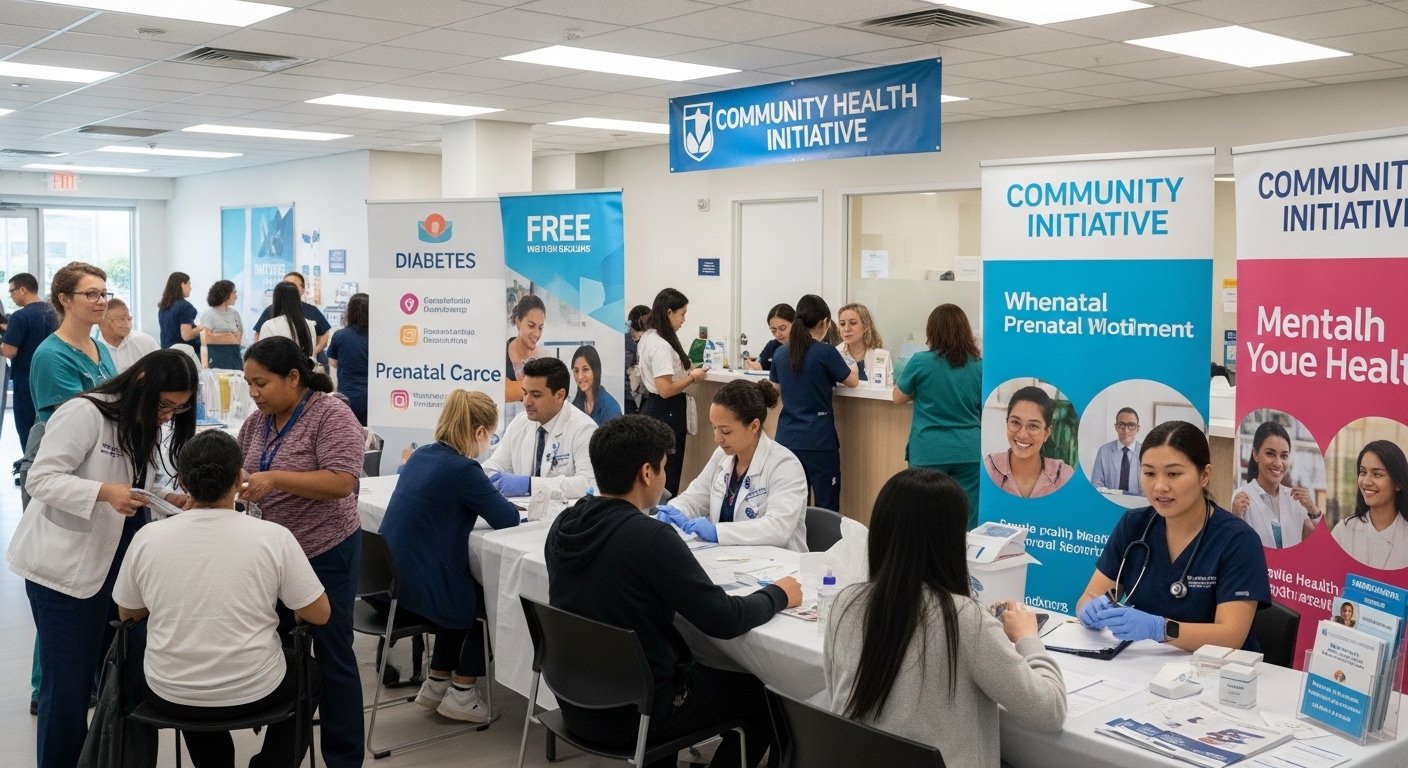

Health disparities — preventable differences in health outcomes and access to care linked to social, economic, and environmental disadvantages — are pervasive in American healthcare. Black Americans die from cardiovascular disease at higher rates than white Americans. Hispanic adults are less likely to receive colorectal cancer screening. Rural residents have lower access to specialty care. Native Americans have dramatically higher rates of diabetes and mental health conditions. Medical clinics that serve diverse communities have both the opportunity and the obligation to recognize and address these disparities within their clinical practices. This guide explains how clinics approach health disparity reduction.
Measuring and Recognizing Disparities
The first step toward addressing disparities is measuring them — stratifying quality performance data by race, ethnicity, language, income, and geography to identify which patient populations are receiving less effective care. Clinics that collect and analyze race and ethnicity data in their EHRs can identify whether certain groups have lower rates of diabetes screening, cancer screening, or blood pressure control — and direct focused efforts to close these gaps.
Structural Interventions
- Language access — professional interpretation services in all patient encounters for limited English proficient patients
- Culturally responsive care — providers and staff with cultural knowledge, humility, and community-specific health literacy
- Community health workers — trusted community members who bridge between clinical settings and under-connected populations
- Telehealth — expanding access for patients with transportation barriers or living in healthcare deserts
- Extended hours and satellite locations — reducing access barriers for working populations
- SDOH screening and navigation — addressing the social conditions driving disparate health outcomes
Clinic-Level Quality Improvement
Focused quality improvement projects targeting specific disparities — such as reducing blood pressure control gaps among Black patients with hypertension, or improving diabetes care for Spanish-speaking patients — use systematic PDSA (Plan-Do-Study-Act) quality improvement cycles to identify barriers, test interventions, and scale successful approaches. Community health centers, which serve predominantly low-income and minority populations, are leaders in disparity-focused quality improvement.
Conclusion
Addressing health disparities requires clinics to move beyond treating individual patients and consider the systematic factors affecting the communities they serve. Cultural humility, language access, community health worker programs, SDOH-responsive care, and focused quality improvement targeting known disparities are the clinic-level strategies that bend the equity curve. Healthcare equity is not just a moral imperative — it is achievable through sustained, systematic clinical action.
FAQs – Health Disparities
Q1. What is health equity?
A: Health equity means everyone has the opportunity to be as healthy as possible — without being disadvantaged by social, economic, or environmental conditions. It is not the same as health equality (providing the same things to everyone) — equity recognizes that different populations need different levels of support to achieve the same outcomes.
Q2. Why do health disparities exist?
A: Health disparities result from a complex interaction of factors: historical structural racism (residential segregation, discriminatory lending), socioeconomic inequality, differential exposure to environmental hazards, differential access to healthy food and safe exercise environments, implicit bias in clinical care, cultural and language barriers to healthcare access, and differential trust in the healthcare system based on historical experiences.
Q3. What can I do as a patient to address health disparities?
A: Report discriminatory experiences in healthcare to patient relations and regulatory bodies. Support community health centers and clinics committed to serving underserved populations. Advocate for your community’s healthcare needs through local health planning processes and political engagement. Help connect community members with healthcare access by sharing information about local health resources.
Q4. Are Federally Qualified Health Centers (FQHCs) better at serving disadvantaged populations?
A: FQHCs are specifically designed to serve underserved populations — they use sliding fee scales, provide comprehensive services regardless of insurance status, are required to be governed by community boards, and must be located in medically underserved areas. They are national leaders in health disparity reduction and often achieve quality outcomes comparable to or better than mainstream practices despite serving more complex, higher-need populations.
Q5. What is the “minority stress” model?
A: Minority stress theory explains how chronic exposure to stigma, discrimination, and social marginalization — experienced by racial/ethnic minorities, LGBTQ+ individuals, and other minority groups — creates chronic physiological stress that directly damages health over time (elevated cortisol, increased cardiovascular risk, immune dysfunction). Addressing the social sources of minority stress is part of comprehensively addressing health disparities.