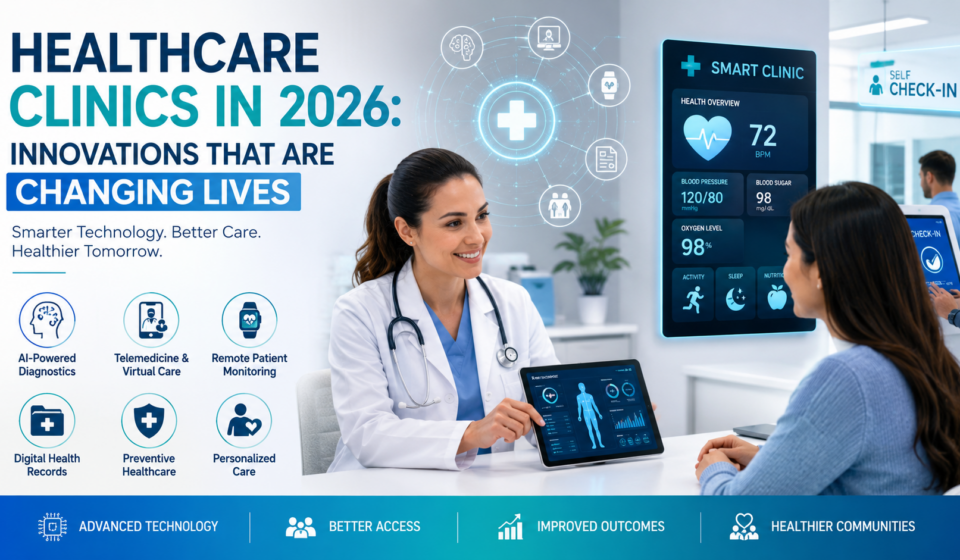

Healthcare clinics in 2026 are no longer limited to basic checkups, prescriptions, and routine treatments. They have become advanced care centers where technology, personalized medicine, digital tools, and patient-focused services work together to improve health outcomes. From artificial intelligence to telemedicine, remote monitoring, smart diagnostics, and digital health records, modern clinics are changing how patients receive care.
The Rise of Smart Healthcare Clinics
Smart healthcare clinics use digital systems and modern tools to improve every step of the patient journey. From online appointment booking to digital prescriptions and automated reminders, these clinics make healthcare more organized and efficient.
Patients can now book consultations through websites or mobile apps, receive updates by SMS or email, and access their reports online. This reduces confusion and saves time for both patients and clinic staff. Smart clinics also use electronic health records, allowing doctors to view patient history quickly and make better decisions.
Artificial Intelligence in Patient Care
Artificial intelligence is one of the biggest innovations changing healthcare clinics in 2026. AI tools help doctors analyze symptoms, review medical reports, detect risks, and support faster diagnosis. While AI does not replace doctors, it works as a powerful assistant that improves accuracy and efficiency.
For example, AI can help identify patterns in blood test results, X-rays, scans, and patient history. It can also support early detection of diseases such as diabetes, heart problems, respiratory conditions, and certain cancers. This allows patients to begin treatment earlier, which can improve recovery and long-term health.
AI is also helping clinics manage administrative tasks. Automated systems can handle appointment scheduling, billing, documentation, and follow-up reminders. This gives healthcare professionals more time to focus on patients.
Telemedicine and Virtual Consultations
Telemedicine has become an essential part of modern clinics. In 2026, many patients prefer virtual consultations for minor illnesses, follow-ups, mental health support, chronic disease management, and general medical advice.
Through video calls, patients can speak with doctors without traveling to the clinic. This is especially helpful for elderly patients, working professionals, parents with young children, and people living far from healthcare facilities. Telemedicine also reduces overcrowding in clinics and allows doctors to manage more patients efficiently.
Virtual consultations are useful for conditions such as fever, cold, skin concerns, medication reviews, lifestyle advice, and post-treatment follow-ups. However, physical visits are still necessary for emergencies, detailed examinations, lab tests, and procedures.
Remote Patient Monitoring
Remote patient monitoring is another life-changing innovation in healthcare clinics. With wearable devices and connected health tools, doctors can monitor patients outside the clinic. Devices can track blood pressure, heart rate, oxygen levels, glucose levels, sleep patterns, and physical activity.
This is especially valuable for patients with chronic diseases such as diabetes, hypertension, heart disease, and asthma. Instead of waiting for symptoms to become serious, doctors can detect changes early and adjust treatment when needed.
Remote monitoring helps reduce hospital visits, improves patient safety, and encourages people to take an active role in their health. It also allows clinics to provide continuous care, not just care during appointments.
Digital Health Records for Better Treatment
Digital health records have improved the way clinics manage patient information. Instead of paper files, patient data is stored securely in digital systems. These records include medical history, test results, prescriptions, allergies, vaccination details, and treatment plans.
Digital records help doctors make faster and more accurate decisions. If a patient visits the clinic again, the doctor can quickly review previous treatments and avoid unnecessary repeat tests. This improves continuity of care and reduces medical errors.
For patients, digital records provide convenience. Many clinics allow patients to access reports, prescriptions, and appointment details online. This makes healthcare more transparent and easier to manage.
Faster Diagnostics and Lab Integration
Modern clinics are improving diagnostic services with advanced lab integration and faster testing systems. Many clinics now offer in-house lab services or digital connections with diagnostic centers. This allows patients to receive test results faster and begin treatment sooner.
Point-of-care testing is also becoming more common. These tests can provide quick results for conditions such as infections, blood sugar levels, cholesterol, pregnancy, and certain heart markers. Faster diagnostics help doctors make timely decisions, which can be critical in preventing complications.
Personalized Healthcare Plans
Healthcare in 2026 is becoming more personalized. Instead of offering the same treatment approach to every patient, clinics are focusing on individual needs, lifestyle, medical history, age, genetics, and risk factors.
Personalized care plans may include customized diet advice, exercise recommendations, medication schedules, preventive screenings, and regular follow-ups. This approach is especially helpful for patients managing long-term conditions.
Personalized healthcare improves patient satisfaction because people feel heard and understood. It also encourages better treatment adherence because the care plan fits the patient’s real life.
Preventive Care and Early Detection
Modern healthcare clinics are placing more importance on prevention rather than only treating illness after it appears. Preventive care includes regular checkups, screenings, vaccinations, lifestyle counseling, and health risk assessments.
Early detection can save lives. Conditions such as high blood pressure, diabetes, thyroid disorders, heart disease, and some cancers may not show obvious symptoms in the early stages. Regular clinic visits help detect these problems before they become serious.
Clinics in 2026 are using digital reminders and health tracking tools to encourage patients to attend screenings and follow preventive care schedules.
Improved Patient Experience
Patient experience has become a major focus for healthcare clinics. Modern clinics are designing services to make patients feel comfortable, respected, and informed. Clean facilities, friendly staff, shorter waiting times, clear communication, and easy payment options all contribute to a better experience.
Many clinics now use online feedback forms and patient satisfaction surveys to improve their services. Some also offer multilingual support, digital payment options, home sample collection, and pharmacy delivery.
A better patient experience builds trust and encourages people to seek care earlier instead of delaying treatment.
Mobile Health Apps and Patient Engagement
Mobile health apps are helping patients stay connected with their clinics. These apps can remind patients to take medicines, attend appointments, upload health readings, view reports, and communicate with care teams.
Patient engagement is important because healthcare does not end after leaving the clinic. Patients who understand their condition and follow medical advice are more likely to recover faster and avoid complications.
Mobile apps also help clinics provide education through blogs, videos, health tips, and personalized alerts. This makes patients more aware and confident about managing their health.
Mental Health Services in Clinics
In 2026, many clinics are expanding their services to include mental health support. Stress, anxiety, depression, sleep problems, and burnout are common issues affecting people of all ages.
Healthcare clinics are now offering counseling, therapy referrals, stress management programs, and mental wellness screenings. Some clinics also provide virtual mental health consultations, making it easier for patients to seek help privately and conveniently.
Integrating mental health with general healthcare is important because physical and emotional health are closely connected.
Challenges of Healthcare Innovation
Although innovations are improving clinics, there are still challenges. Digital systems require investment, staff training, data security, and patient education. Some patients may not be comfortable using apps or online consultations. Internet access and digital literacy can also be barriers in some areas.
Privacy is another important concern. Clinics must protect patient data and follow strict security standards. Technology should support healthcare, but it must be used responsibly and ethically.
The best clinics in 2026 are those that balance modern technology with human care, compassion, and professional judgment.
Source
https://sl1nk.com/riib267
https://sl1nk.com/wdh7u37
Conclusion
Healthcare clinics in 2026 are transforming the way people receive medical care. Innovations such as artificial intelligence, telemedicine, remote patient monitoring, digital health records, faster diagnostics, and personalized treatment plans are making healthcare more accessible, efficient, and patient-friendly.
These changes are not just about technology; they are about improving lives. Patients can receive faster care, better diagnosis, continuous monitoring, and more personalized support. Clinics are also becoming stronger centers for preventive care, early detection, mental health, and long-term wellness.
As healthcare continues to evolve, modern clinics will play an even greater role in building healthier communities. The future of clinics is smart, connected, compassionate, and focused on helping patients live better lives.
FAQs
1. What are healthcare clinics in 2026 known for?
Healthcare clinics in 2026 are known for using modern innovations such as AI, telemedicine, digital health records, remote monitoring, and personalized care to improve patient treatment and convenience.
2. How is AI helping healthcare clinics?
AI helps clinics by supporting diagnosis, analyzing medical data, reducing paperwork, improving appointment systems, and helping doctors make faster and more accurate decisions.
3. Is telemedicine useful for all medical problems?
Telemedicine is useful for minor illnesses, follow-ups, mental health support, and general advice. However, serious symptoms, emergencies, physical exams, and procedures still require in-person clinic visits.
4. What is remote patient monitoring?
Remote patient monitoring uses connected devices to track health data such as blood pressure, heart rate, oxygen levels, and glucose levels from home. Doctors can review this data and provide timely care.
5. Why is preventive care important in clinics?
Preventive care helps detect health problems early before they become serious. Regular checkups, screenings, vaccinations, and lifestyle counseling can improve long-term health and reduce medical complications.