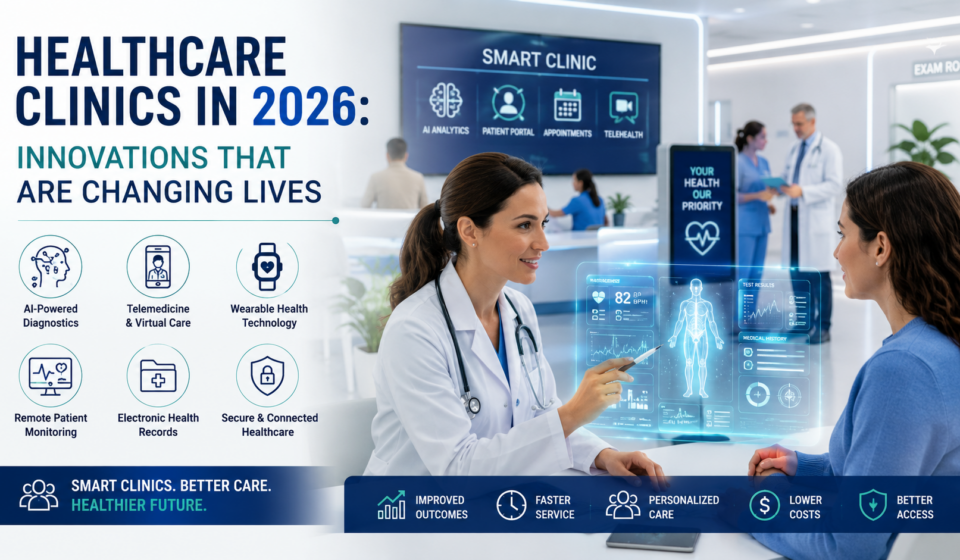

Healthcare clinics in 2026 are no longer just places where patients visit when they feel sick. They are becoming smarter, faster, more connected, and more patient-focused than ever before. With the growth of digital health, artificial intelligence, telemedicine, wearable devices, and remote monitoring, modern clinics are changing the way people receive medical care.
The Rise of Smart Healthcare Clinics
Smart healthcare clinics are one of the biggest trends in 2026. These clinics use digital systems, automation, and connected medical tools to provide better care. From online appointment booking to digital health records, smart clinics make the healthcare experience smoother for both patients and doctors.
Instead of standing in long queues, patients can now book appointments online, receive reminders, check reports digitally, and consult doctors through secure platforms. This saves time and reduces stress. For doctors, digital tools help organize patient history, test results, prescriptions, and follow-up plans in one place.
Smart clinics also improve accuracy. When healthcare providers have quick access to complete patient information, they can make better decisions and avoid unnecessary delays.
Artificial Intelligence in Diagnosis and Treatment
Artificial intelligence is transforming healthcare clinics in powerful ways. In 2026, AI is being used to support doctors in diagnosis, patient screening, medical documentation, and treatment planning.
AI tools can analyze large amounts of health data quickly. For example, they may help detect early signs of diseases, review medical images, identify risk factors, and suggest possible treatment options. This does not mean AI replaces doctors. Instead, it works as a support system that helps medical professionals make faster and more informed decisions.
AI is also helping reduce paperwork. Many clinics now use AI-powered documentation tools that assist doctors in preparing patient notes and summaries. This allows doctors to spend more time talking to patients and less time typing information into systems.
Telemedicine Makes Healthcare More Accessible
Telemedicine has become a major part of modern clinics. In 2026, many healthcare clinics offer virtual consultations, allowing patients to speak with doctors through video calls, phone calls, or online platforms.
This is especially helpful for patients who live far from clinics, elderly people, busy professionals, and those with minor health concerns. Instead of traveling long distances, patients can receive medical advice from home.
Telemedicine is also useful for follow-up appointments. Patients with chronic conditions such as diabetes, high blood pressure, asthma, or thyroid problems can stay connected with their doctors without visiting the clinic every time. This improves convenience and helps patients stay consistent with their care plans.
Remote Patient Monitoring for Better Care
Remote patient monitoring is another innovation changing healthcare clinics in 2026. With the help of wearable devices and connected health tools, clinics can monitor patients’ health outside the clinic.
Devices such as smartwatches, fitness trackers, glucose monitors, blood pressure monitors, and heart rate sensors can collect important health data. This data may be shared with healthcare providers so they can track changes and detect warning signs early.
For patients with long-term illnesses, remote monitoring is very useful. It allows doctors to understand how a patient is doing in daily life, not just during clinic visits. If something unusual appears, doctors can take action before the condition becomes serious.
Wearable Health Technology Is Becoming Common
Wearable health technology is becoming more popular in 2026. Many patients now use smart devices to track steps, sleep, heart rate, oxygen levels, stress, and physical activity.
Clinics are using this information to provide more personalized care. For example, if a patient has poor sleep, irregular heart rate, or low activity levels, the doctor can discuss lifestyle changes and preventive measures.
Wearables encourage patients to become more active in managing their own health. Instead of waiting for symptoms to appear, people can understand their body better and take early action.
Digital Health Records Improve Patient Safety
Digital health records are helping clinics provide safer and more organized care. In the past, paper records could be lost, damaged, or difficult to read. In 2026, more clinics are using electronic health records to store patient information securely.
These records may include medical history, allergies, prescriptions, lab reports, imaging results, vaccination records, and past treatments. When doctors have access to accurate information, they can avoid medication errors and provide better treatment.
Digital records also make it easier for patients to share their health information with specialists, hospitals, or diagnostic centers when needed.
Faster Appointments and Reduced Waiting Time
One of the biggest problems patients face is long waiting time. Modern clinics are solving this with digital appointment systems, automated check-ins, and better scheduling tools.
Patients can choose available time slots online and receive appointment reminders. Some clinics also allow patients to fill out forms before arriving. This speeds up the process and reduces crowding inside the clinic.
For healthcare providers, better scheduling means they can manage patient flow more efficiently. This improves the overall clinic experience and helps doctors give proper attention to each patient.
Personalized Healthcare for Every Patient
Healthcare clinics in 2026 are moving toward personalized care. This means treatment plans are designed based on the individual needs of each patient.
Instead of giving the same advice to everyone, doctors can consider a patient’s age, lifestyle, medical history, family history, test results, and daily health data. This helps create more effective treatment and prevention plans.
Personalized healthcare is especially important for chronic disease management. Patients with diabetes, heart disease, obesity, or hormonal issues need regular monitoring and customized care. Modern clinics are making this easier with digital tools and continuous follow-up.
Preventive Care Is Becoming a Priority
Modern clinics are focusing more on prevention instead of only treatment. Preventive care means detecting health problems before they become serious.
Regular checkups, health screenings, vaccinations, lifestyle counseling, and early diagnosis are becoming key services in clinics. Patients are encouraged to visit clinics not only when they are sick but also to maintain long-term wellness.
This approach can help reduce the risk of serious diseases and lower healthcare costs in the future. Early diagnosis can make treatment easier, faster, and more successful.
Better Patient Communication and Education
In 2026, clinics are also improving how they communicate with patients. Many clinics use SMS, email, mobile apps, and patient portals to share reminders, reports, prescriptions, and health tips.
Clear communication helps patients understand their condition and follow treatment properly. When patients know why they need a medicine, test, or lifestyle change, they are more likely to cooperate.
Patient education is a major part of modern healthcare. Clinics are now guiding patients about nutrition, exercise, mental health, hygiene, sleep, and disease prevention.
The Role of Automation in Clinic Management
Automation is helping clinics become more efficient. Tasks such as appointment booking, billing, reminders, report sharing, and follow-up messages can now be handled digitally.
This reduces manual work for clinic staff and lowers the chance of mistakes. It also helps clinics serve more patients in less time.
Automation does not remove the human touch from healthcare. Instead, it allows doctors and staff to focus more on patient care while technology handles repetitive tasks.
Challenges of Modern Healthcare Clinics
Although innovations are improving healthcare, clinics also face challenges. Data privacy, cybersecurity, technology costs, staff training, and patient trust are important concerns.
Clinics must ensure that patient information is protected. They also need trained staff who can use digital tools properly. Not every patient may be comfortable with technology, so clinics must provide support and simple systems.
The best healthcare clinics in 2026 are those that balance technology with compassion. Innovation should make care more human, not less personal.
Source
https://l1nq.com/y9cbwlb
https://sl1nk.com/lhtk75c
Conclusion
Healthcare clinics in 2026 are changing lives through smart technology, AI, telemedicine, remote monitoring, wearable devices, and personalized care. These innovations are making healthcare faster, safer, more accessible, and more patient-friendly.
Modern clinics are no longer focused only on treating illness. They are helping people prevent diseases, manage chronic conditions, understand their health, and stay connected with doctors. As technology continues to grow, healthcare clinics will become even more important in building healthier communities.
The future of clinics is not just digital—it is patient-centered, preventive, and life-changing.
FAQs
1. What are healthcare clinics in 2026 using to improve patient care?
Healthcare clinics in 2026 are using AI, telemedicine, digital health records, wearable devices, remote patient monitoring, and automation to improve patient care.
2. How is AI helping healthcare clinics?
AI helps clinics by supporting diagnosis, analyzing health data, reducing paperwork, improving treatment planning, and helping doctors make faster decisions.
3. Why is telemedicine important for modern clinics?
Telemedicine allows patients to consult doctors from home, saving time and improving access to healthcare, especially for follow-ups and minor health concerns.
4. What is remote patient monitoring?
Remote patient monitoring uses connected devices to track a patient’s health outside the clinic. It helps doctors detect warning signs early and manage chronic diseases better.
5. Are smart clinics better than traditional clinics?
Smart clinics offer more convenience, faster appointments, better record management, digital communication, and improved patient care compared to many traditional clinics.