































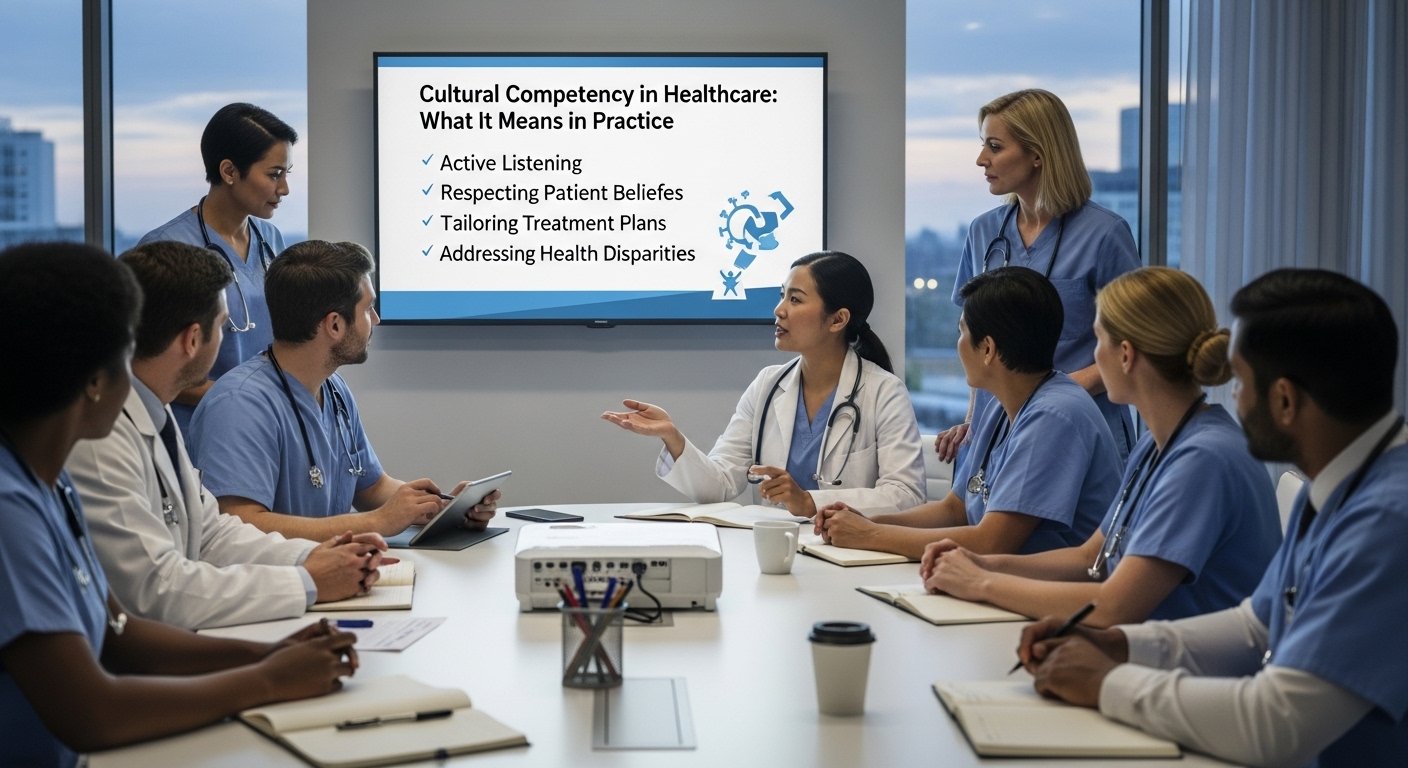
Cultural Competency in Healthcare: What It Means in Practice
Cultural competency — the ability of healthcare providers and systems to effectively deliver care to patients with diverse values, beliefs, and behaviors — is a clinical skill with direct health consequences. Patients who receive culturally responsive…
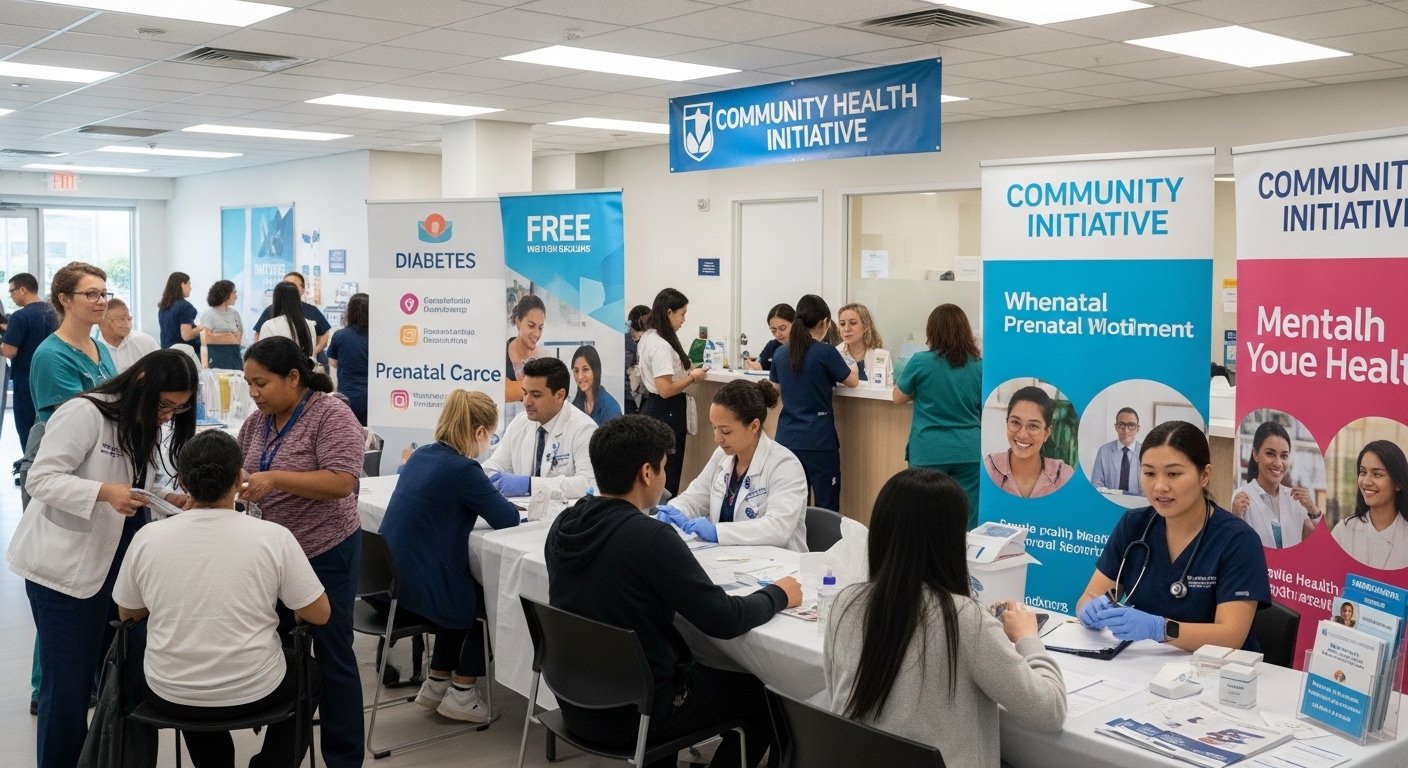
How Clinics Address Health Disparities in Their Communities
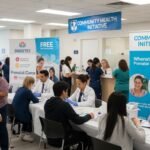
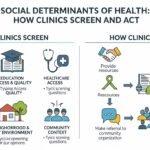
Health disparities — preventable differences in health outcomes and access to care linked to social, economic, and environmental disadvantages — are pervasive in American healthcare. Black Americans die from cardiovascular disease at higher rates than…

Artificial Intelligence in Medical Clinics: Current Uses
Artificial intelligence (AI) — machine learning algorithms that identify patterns in large datasets — is entering medical clinics across multiple applications, from clinical decision support to diagnostic imaging interpretation to administrative…
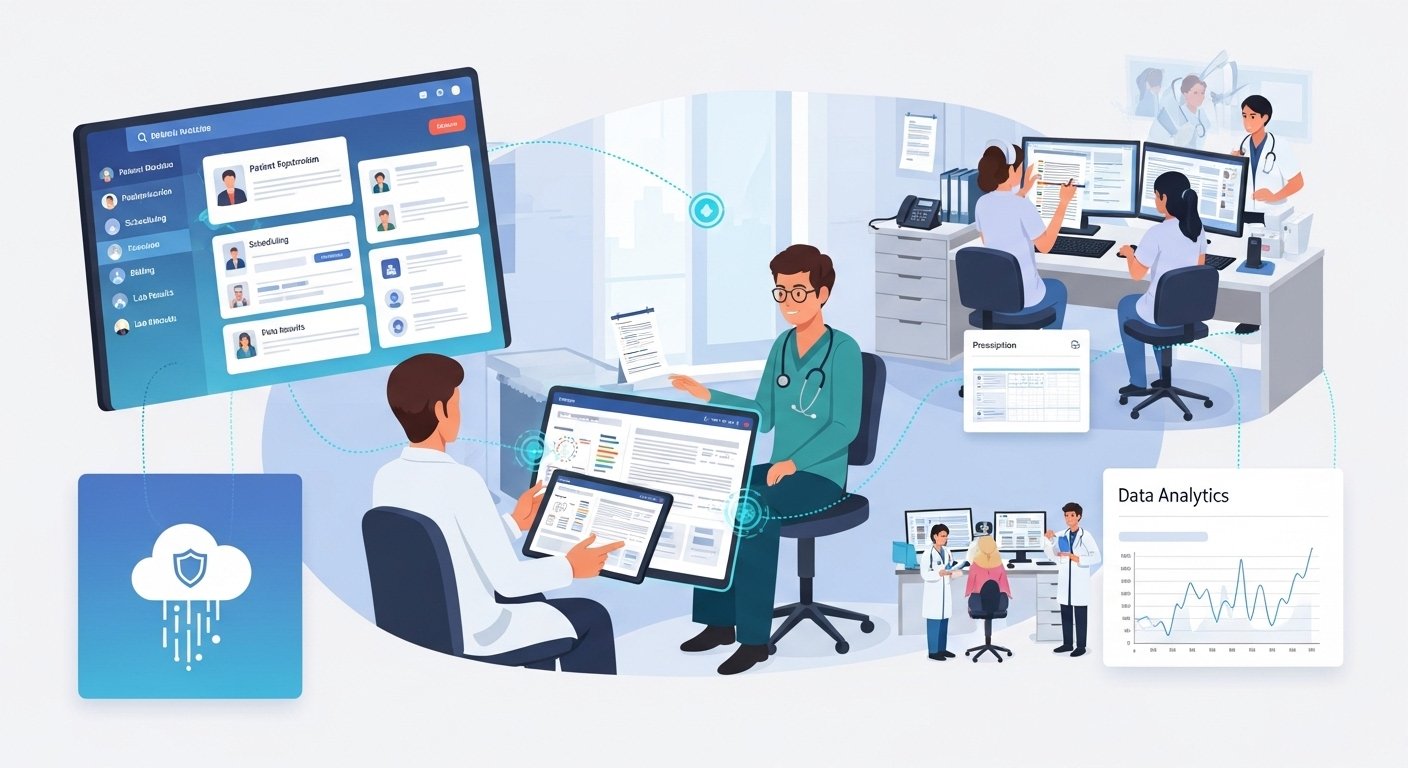
How Clinics Use Electronic Health Records (EHR)
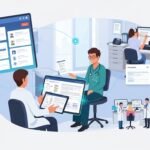
Electronic health records (EHRs) — digital systems that store and manage patient health information, replacing paper charts — are now ubiquitous in US healthcare, with over 90% of office-based physicians using EHR systems. They have transformed clinical…
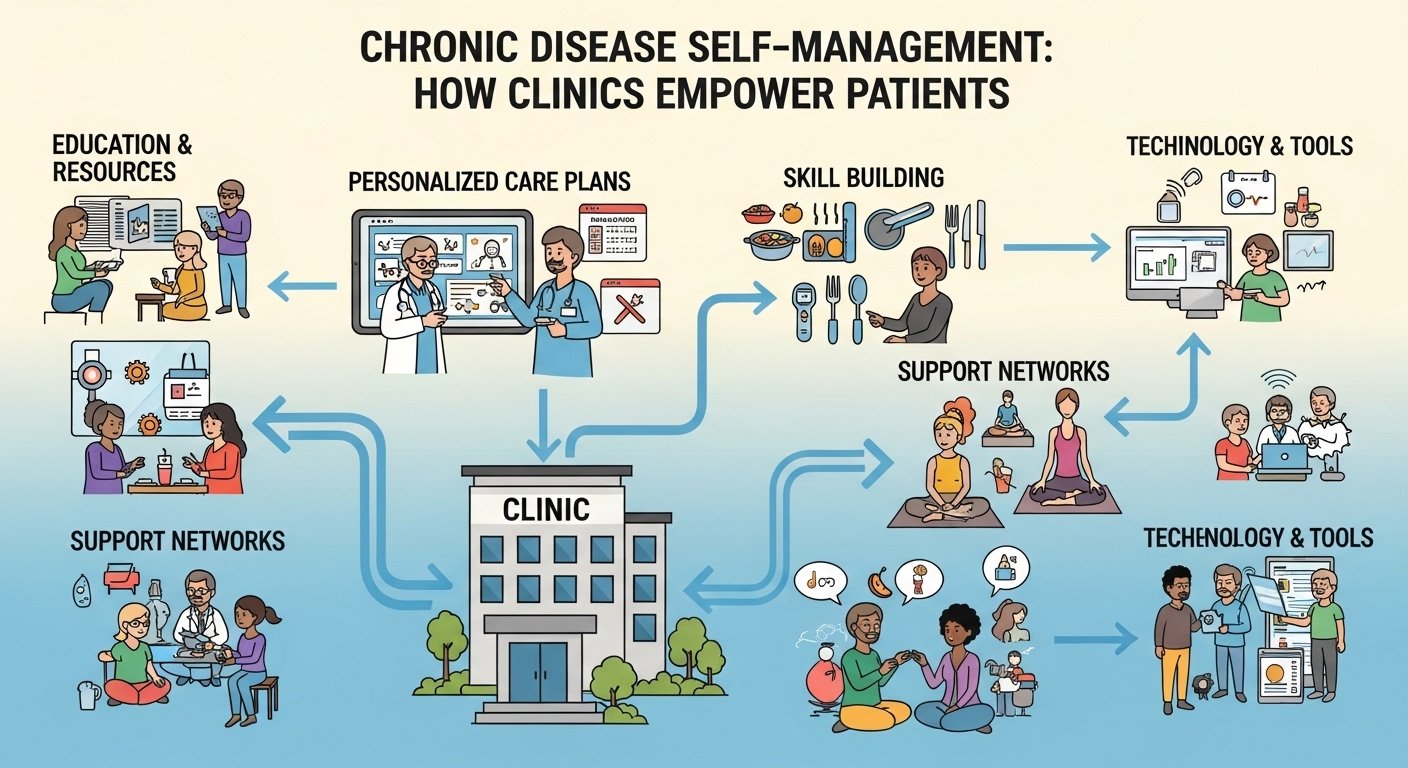
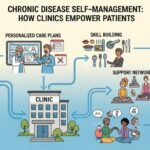
Chronic Disease Self-Management: How Clinics Empower Patients
Chronic diseases require ongoing, day-to-day management that occurs primarily outside the clinic — in the choices patients make about diet, physical activity, medication adherence, symptom monitoring, and response to early warning signs. Clinic visits…

The Role of Care Teams in Modern Medical Clinics
Modern medical care is delivered by teams, not individuals. The solo physician managing every aspect of a patient’s care independently is a historical model largely replaced in most contemporary clinical settings by interdisciplinary teams whose…

What Is Population Health Management at a Clinic?
Population health management — a systematic approach to improving health outcomes across a defined patient population by identifying and addressing the health needs of all patients, not just those who come to the clinic — represents a fundamental shift…
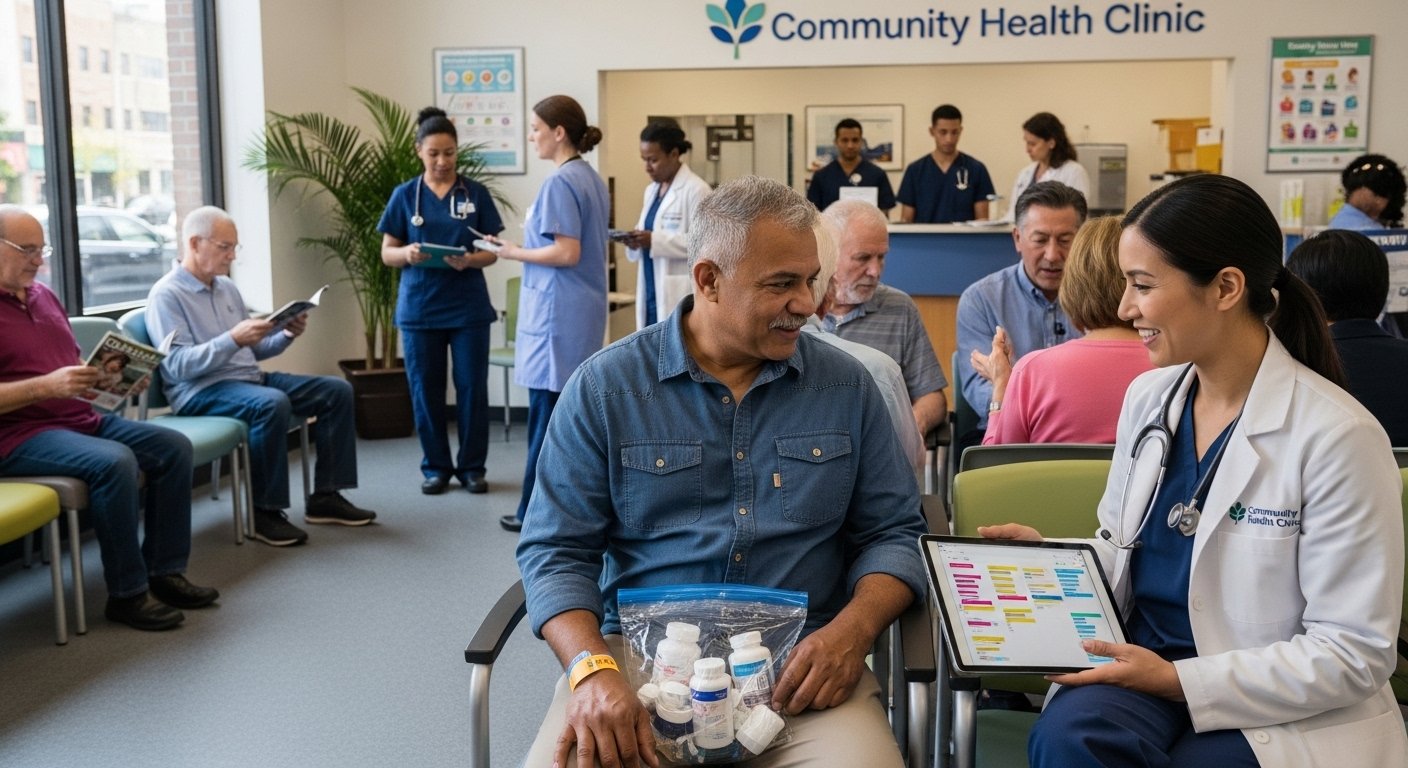
Managing Multiple Chronic Conditions at a Primary Care Clinic
Multimorbidity — the presence of two or more chronic conditions in a single individual — is the norm rather than the exception among older Americans. More than two-thirds of Medicare beneficiaries have two or more chronic conditions; one-third have four…
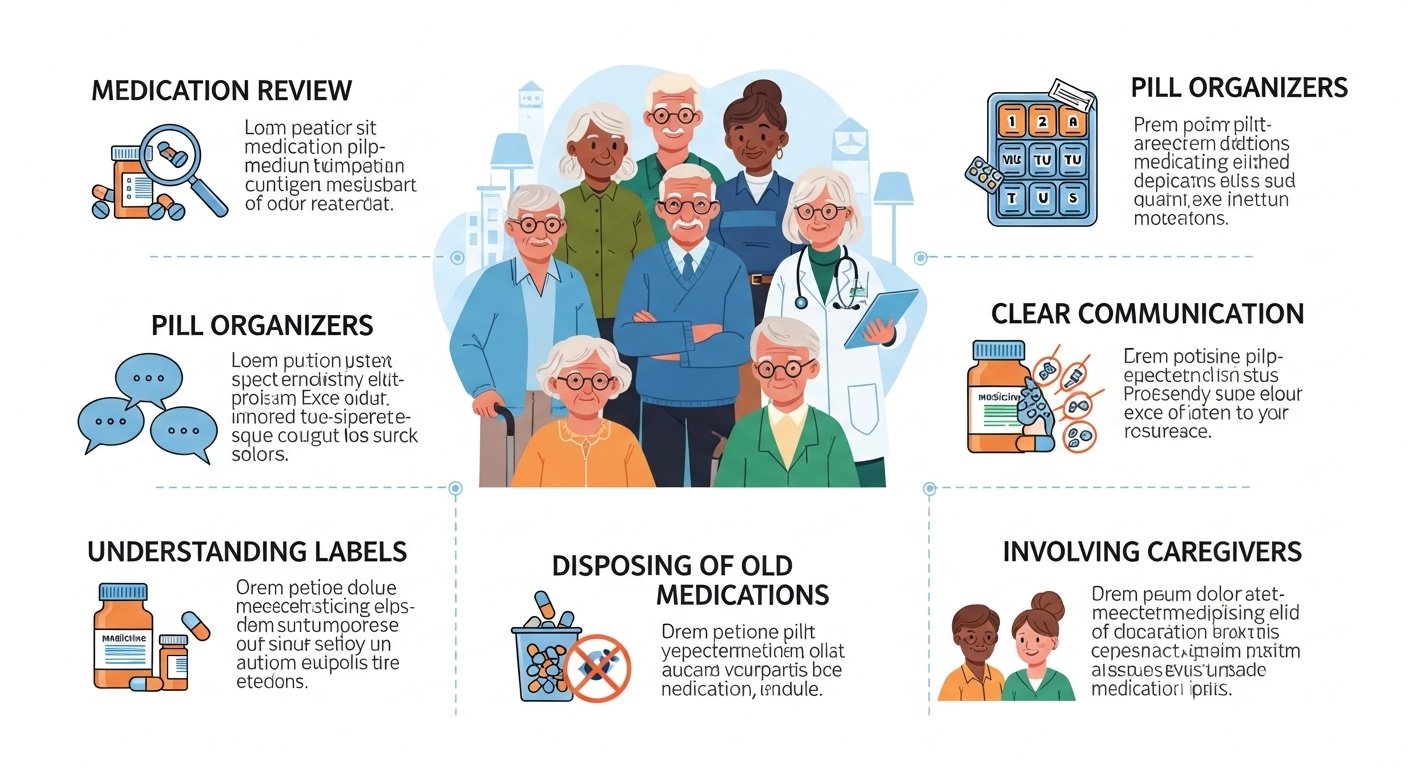
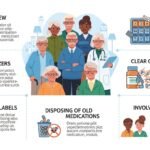
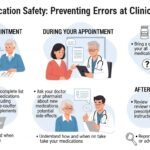
Preventing Medication Errors in Older Adults
Older adults are disproportionately affected by medication errors — they take more medications (creating more interaction opportunities), experience age-related changes in drug metabolism (requiring dose adjustments), are more sensitive to side effects…
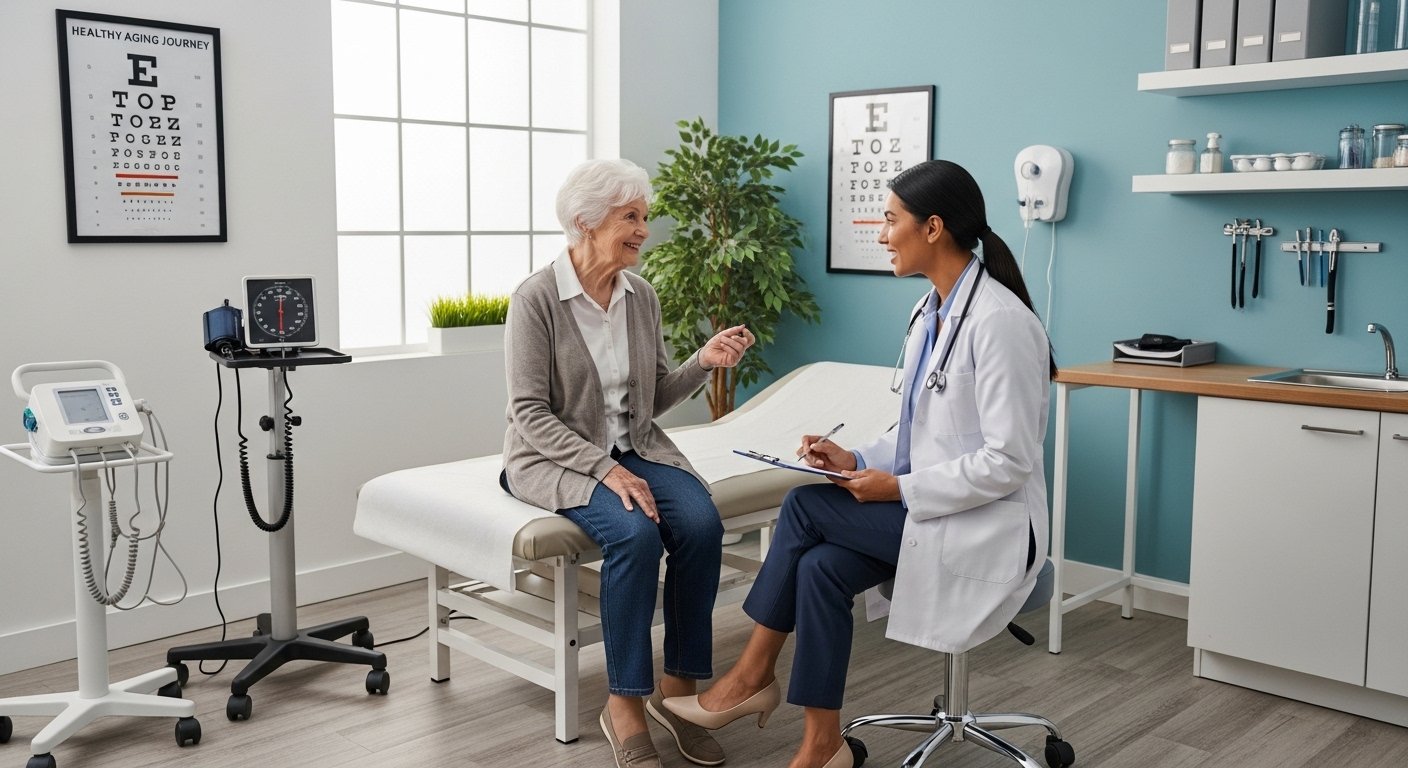
Geriatric Assessment at a Medical Clinic
Comprehensive geriatric assessment (CGA) — a multidimensional, interdisciplinary diagnostic process that evaluates older adults’ medical conditions, physical function, cognition, psychological status, social supports, and environmental factors —…