






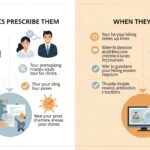
































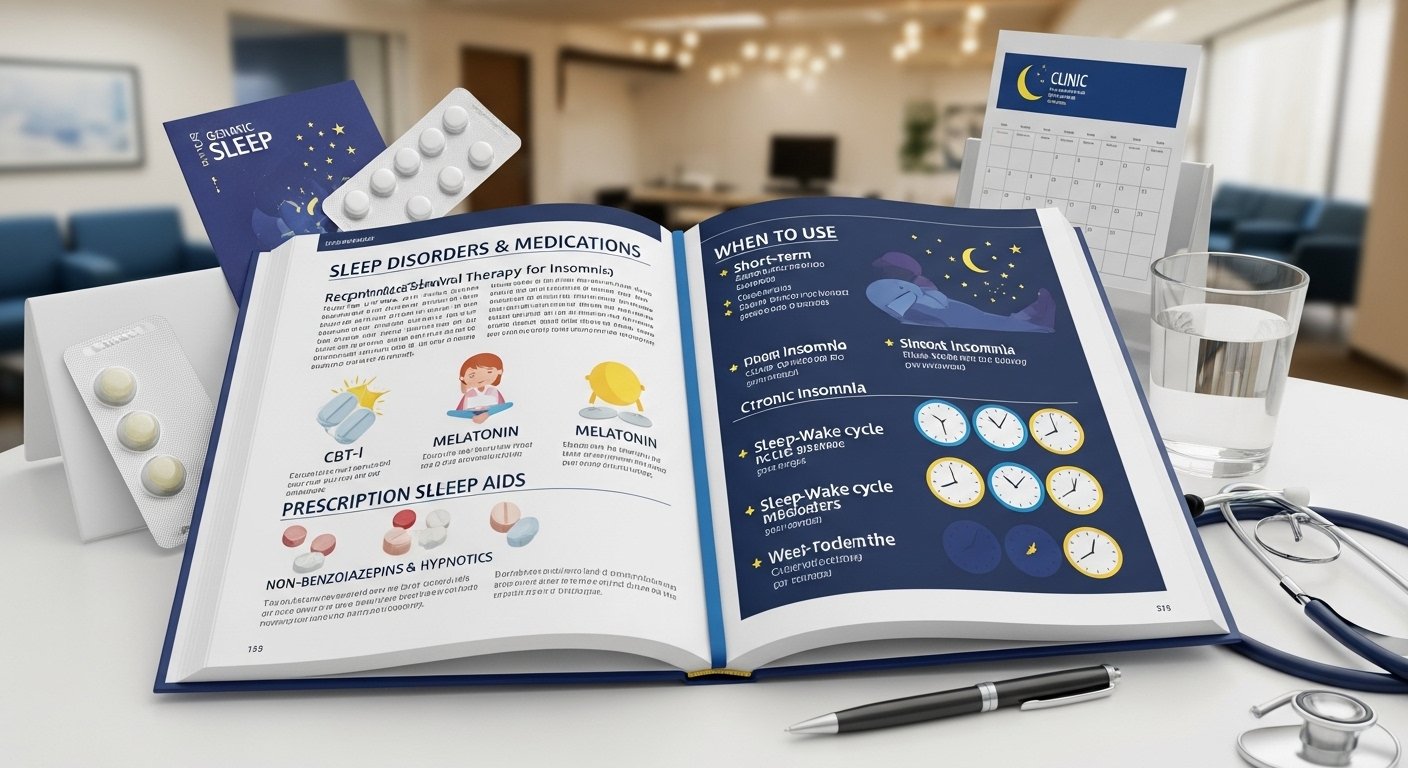
Sleep Medications: What Clinics Recommend and When
Insomnia — defined as difficulty initiating or maintaining sleep, or non-restorative sleep, occurring at least three nights per week for at least three months — affects approximately 10–30% of adults and is one of the most common complaints in primary…
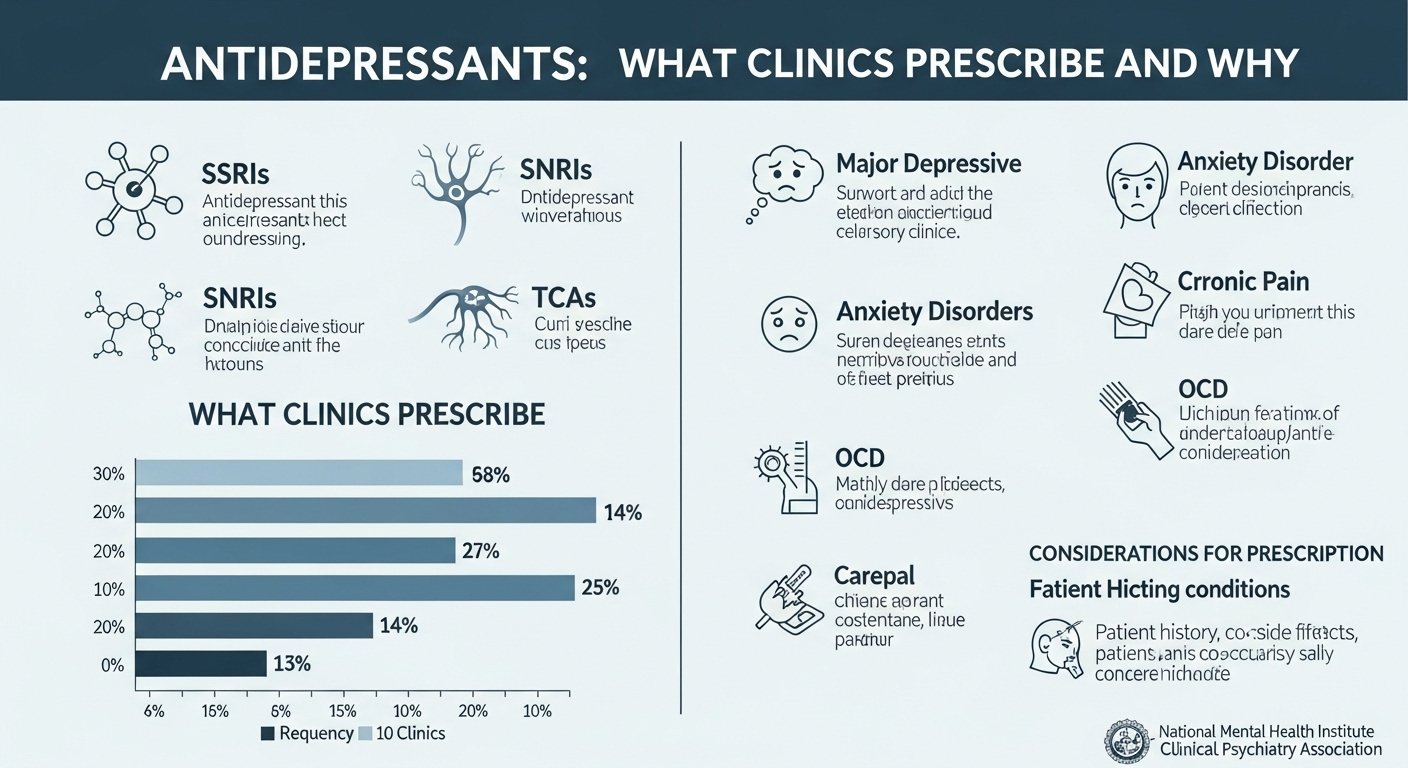
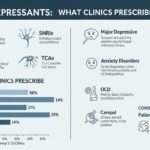
Antidepressants: What Clinics Prescribe and Why
Antidepressants are among the most commonly prescribed medications in the United States — used not just for depression but for anxiety disorders, OCD, PTSD, chronic pain, and several other conditions. Despite their widespread use, antidepressants remain…
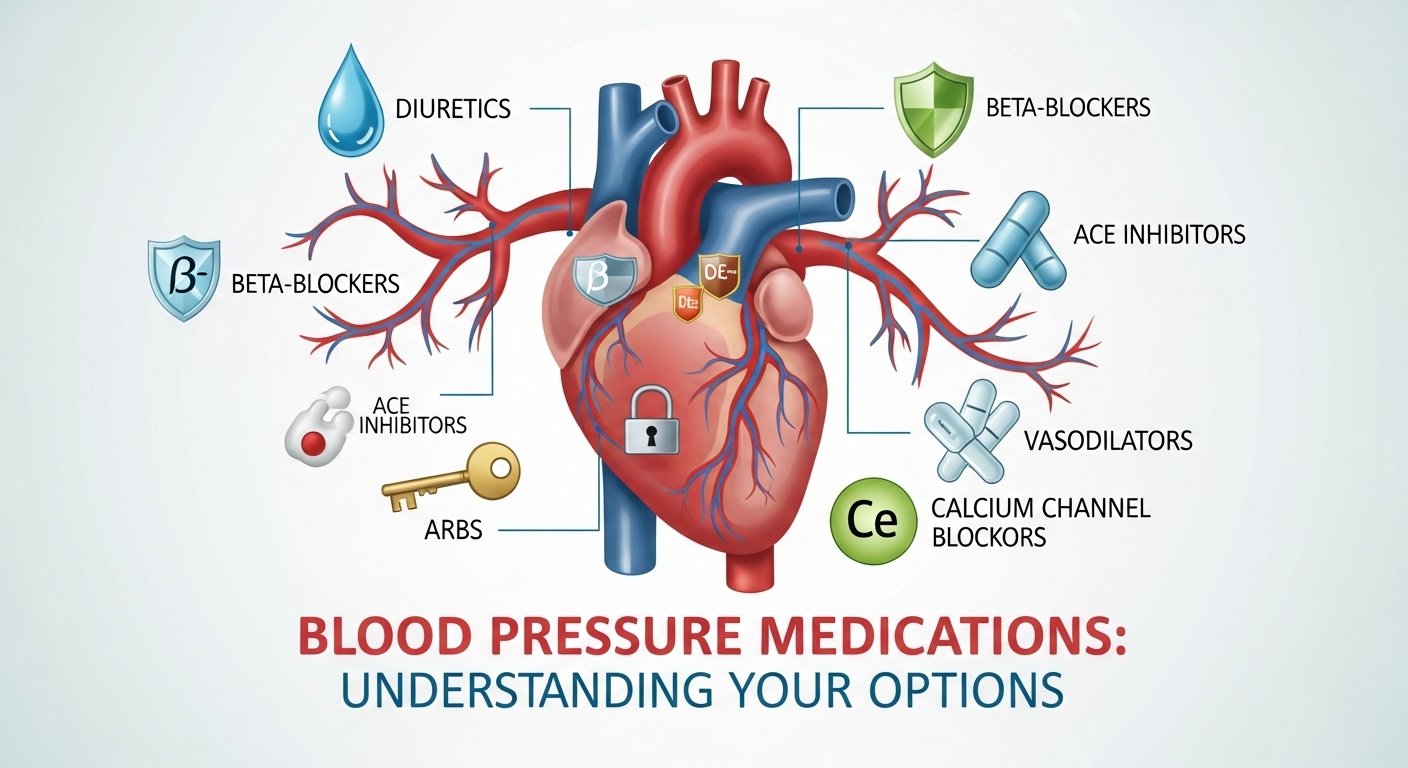
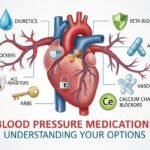
Blood Pressure Medications: Understanding Your Options
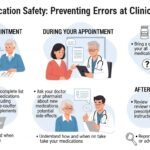
Hypertension treatment with antihypertensive medications reduces the risk of heart attack, stroke, kidney failure, and death — making blood pressure control one of the highest-yield interventions in preventive medicine. However, the range of available…
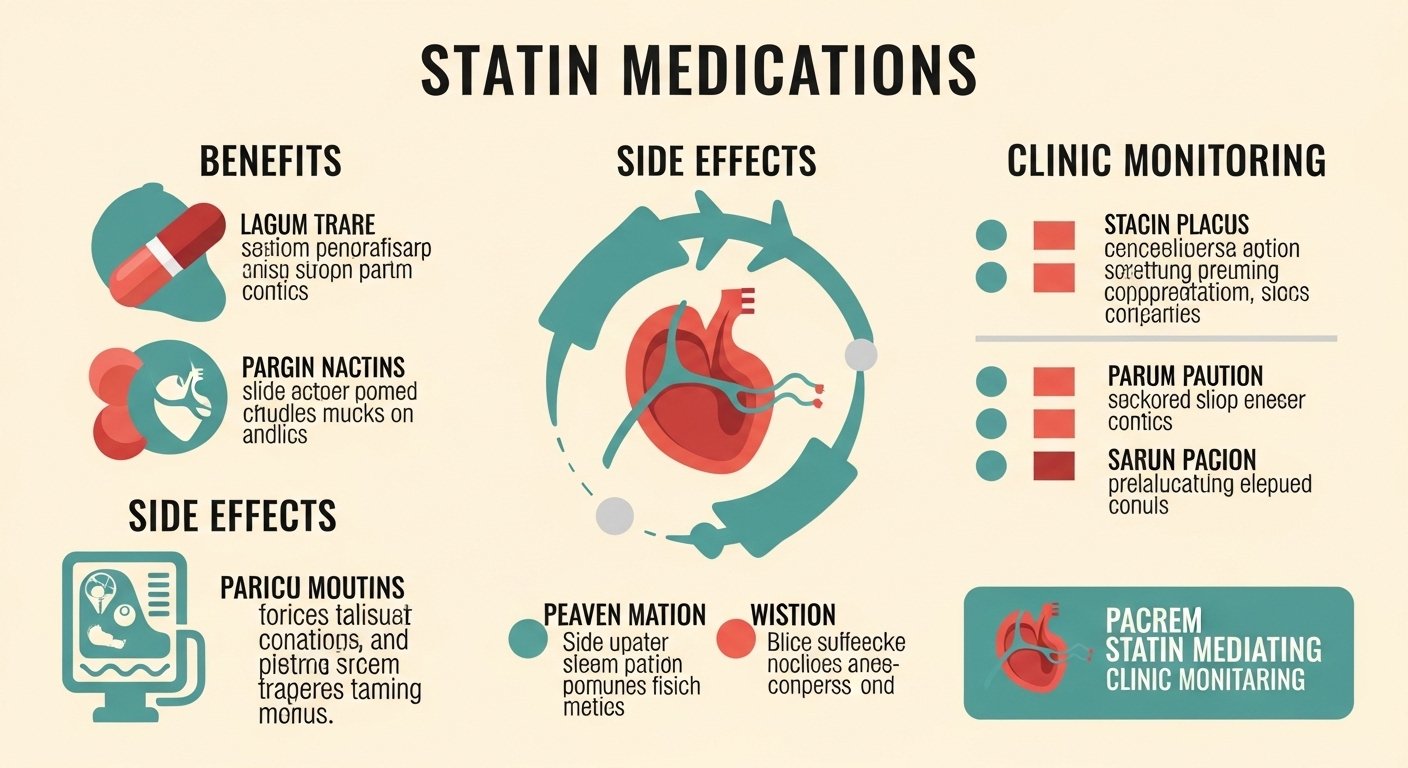
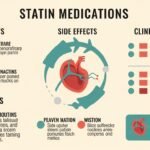
Statin Medications: Benefits, Side Effects, and Clinic Monitoring
Statins — HMG-CoA reductase inhibitors that reduce LDL cholesterol production in the liver — are among the most prescribed and most evidence-backed medications in preventive medicine. Multiple large randomized trials and meta-analyses involving hundreds…
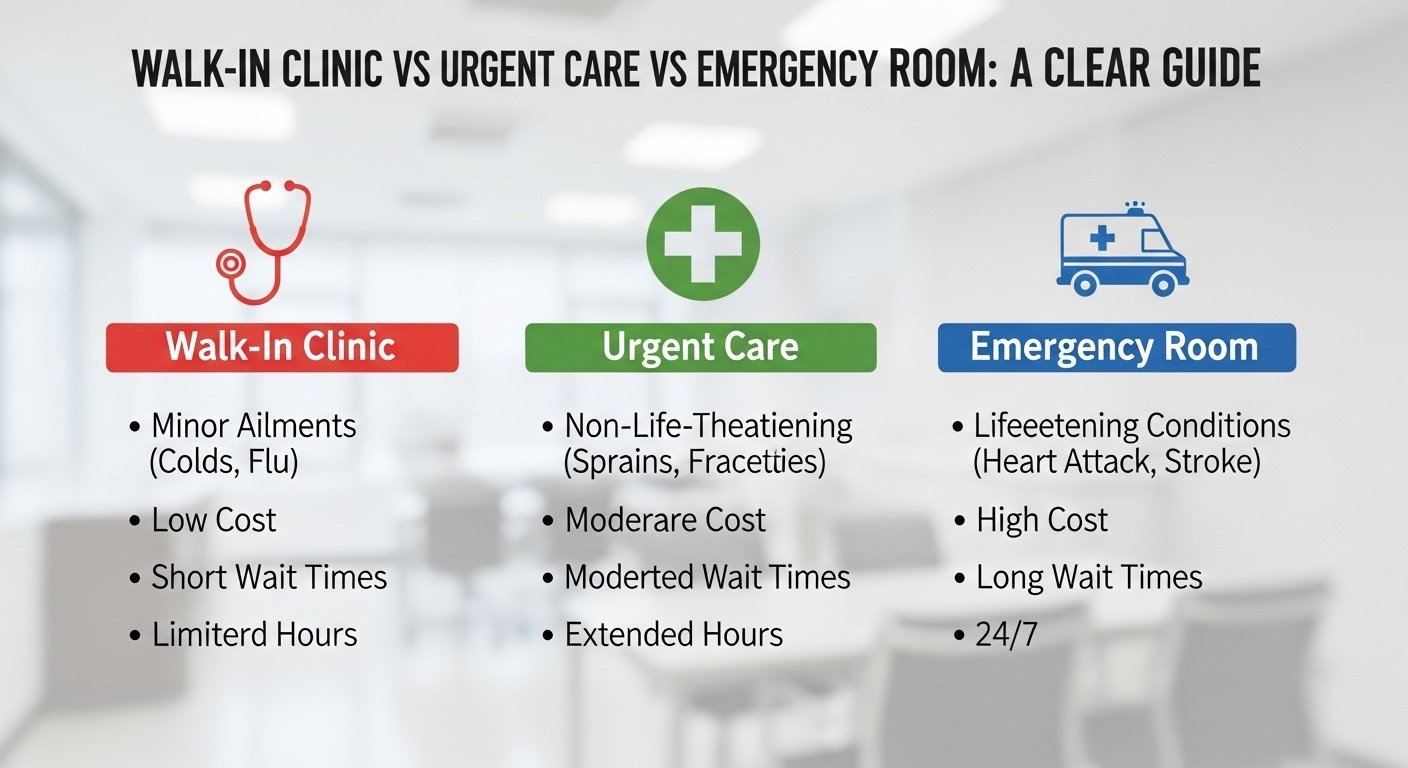
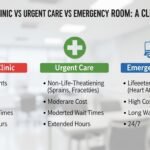
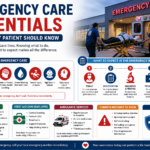
Walk-In Clinic vs Urgent Care vs Emergency Room: A Clear Guide
Walk-In Clinic vs Urgent Care vs Emergency Room: A Clear Guide is a common reason patients contact a medical clinic. Whether you are new to the healthcare system or managing multiple conditions, it helps to understand what clinics can do in an outpatient…

Transitional Care: Moving from Hospital to Home
The transition from hospital to home is one of the most vulnerable periods in a patient’s healthcare journey — a time when communication breaks down, medication changes create confusion, and the intensive monitoring of inpatient care is suddenly…

Same-Day Clinic Appointments: How to Book and What to Expect
Same-Day Clinic Appointments: How to Book and What to Expect is a common reason patients contact a medical clinic. Whether you are new to the healthcare system or managing multiple conditions, it helps to understand what clinics can do in an outpatient…
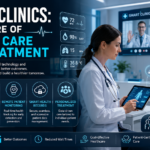
Smart Clinics: The Future of Patient Care and Treatment

Healthcare is evolving rapidly, and smart clinics are becoming a key part of modern medical services. With advanced technology, digital systems, and patient-focused care, these clinics are transforming how healthcare is delivered. From online…
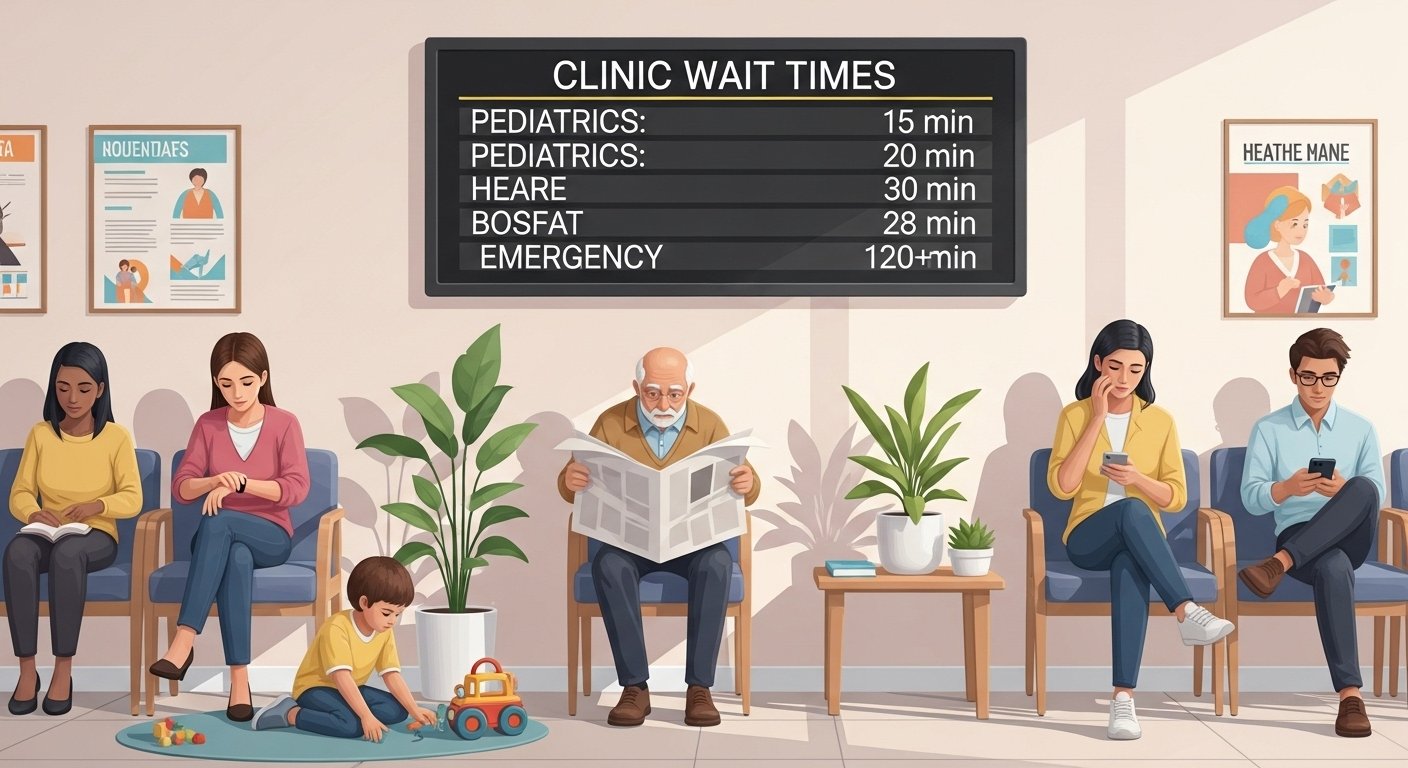
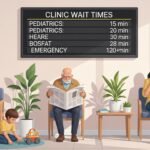
Clinic Wait Times: What They Mean and When to Worry
Clinic Wait Times: What They Mean and When to Worry is a common reason patients contact a medical clinic. Whether you are new to the healthcare system or managing multiple conditions, it helps to understand what clinics can do in an outpatient visit,…
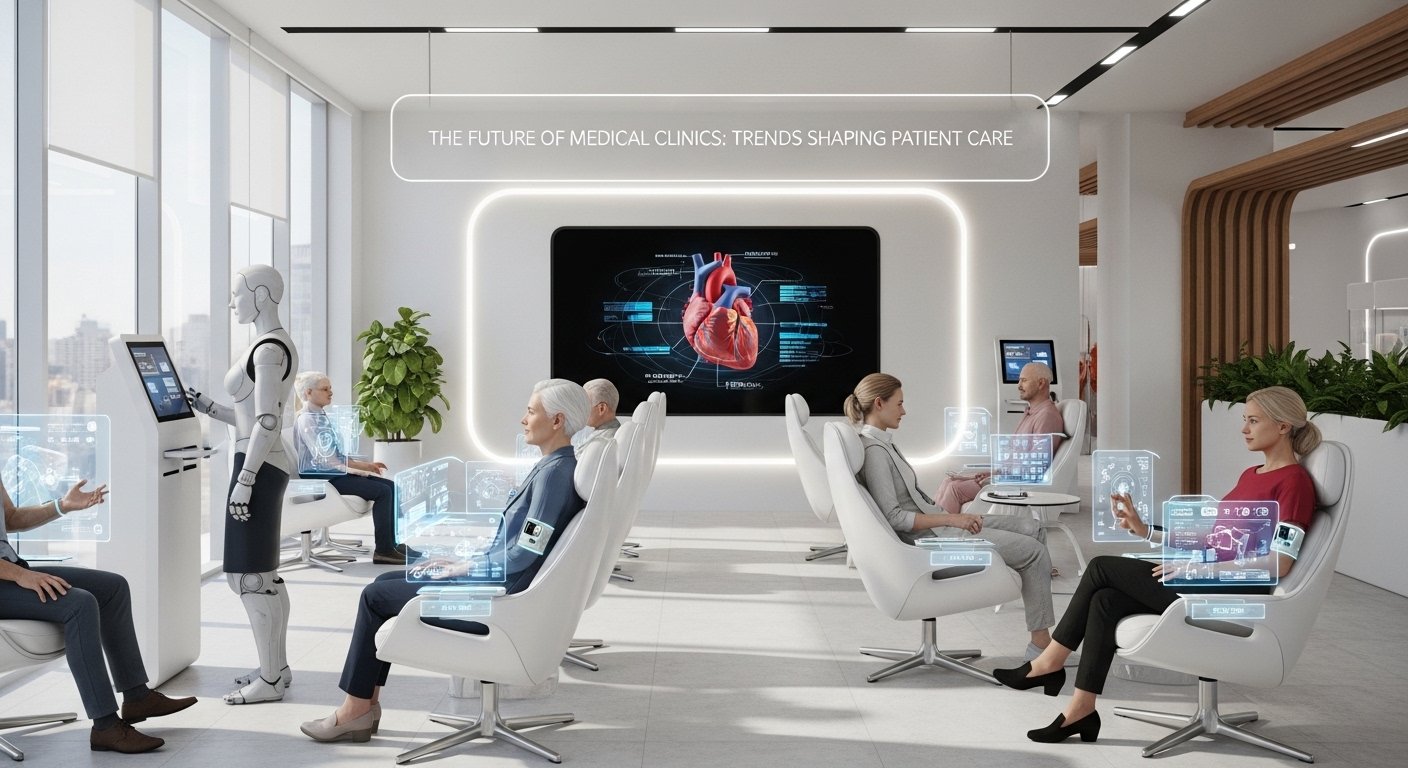
The Future of Medical Clinics: Trends Shaping Patient Care
Medical clinics are transforming rapidly — driven by technological innovation, shifting demographic needs, evolving payment models, and lessons learned from the COVID-19 pandemic. Understanding the trends shaping the future of clinic-based care helps…