
























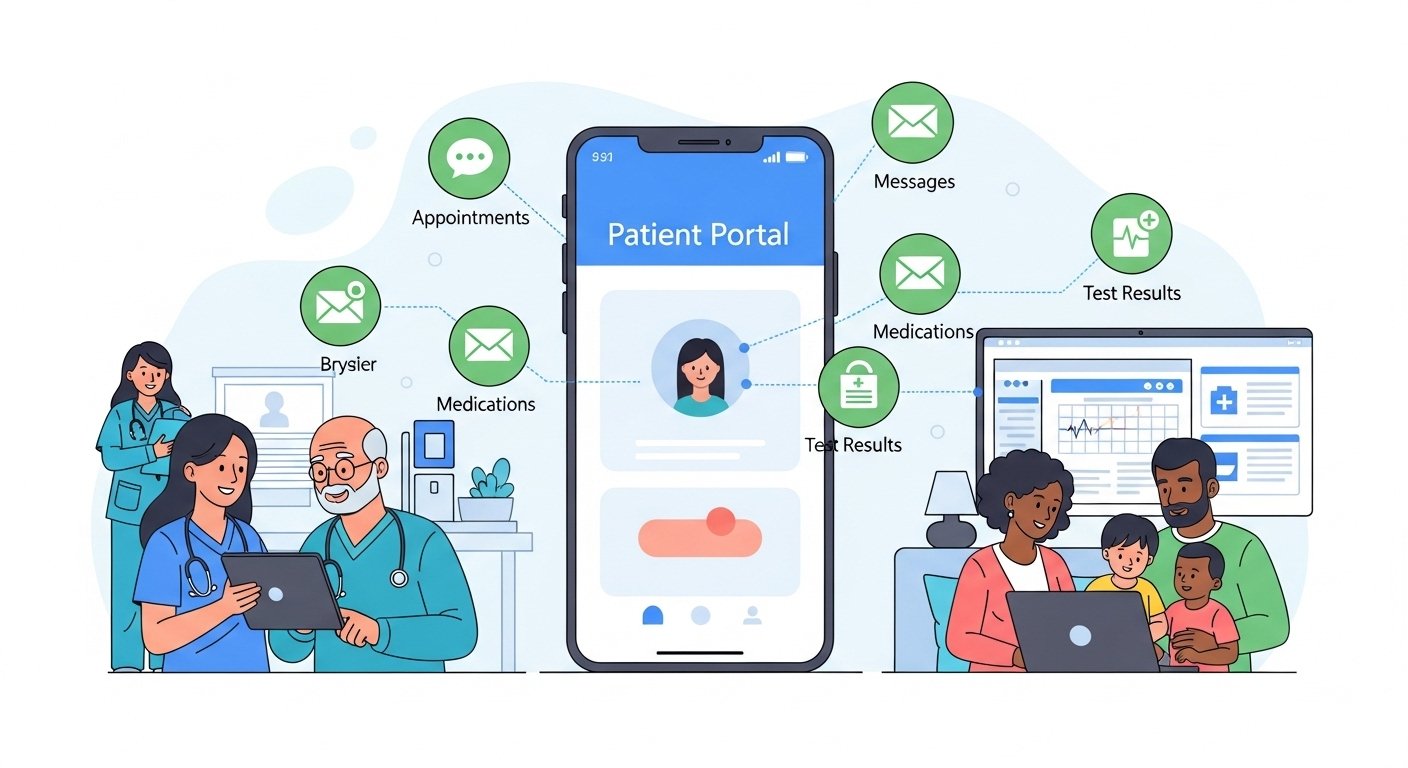
Patient Portals: How to Use Your Clinic’s Online System
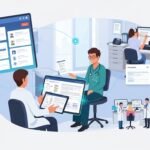
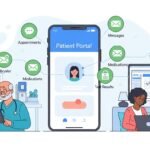
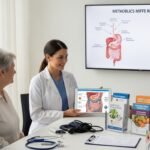
Patient portals — secure online platforms provided by healthcare organizations to give patients access to their health information and enable digital communication with their care team — have become standard infrastructure in most US healthcare settings.…

Mental Health Integration in Primary Care Clinics
Mental health conditions affect approximately 1 in 5 American adults, yet more than half of those with a diagnosable mental health disorder receive no treatment. The primary care clinic — the most frequently accessed healthcare setting — is uniquely…
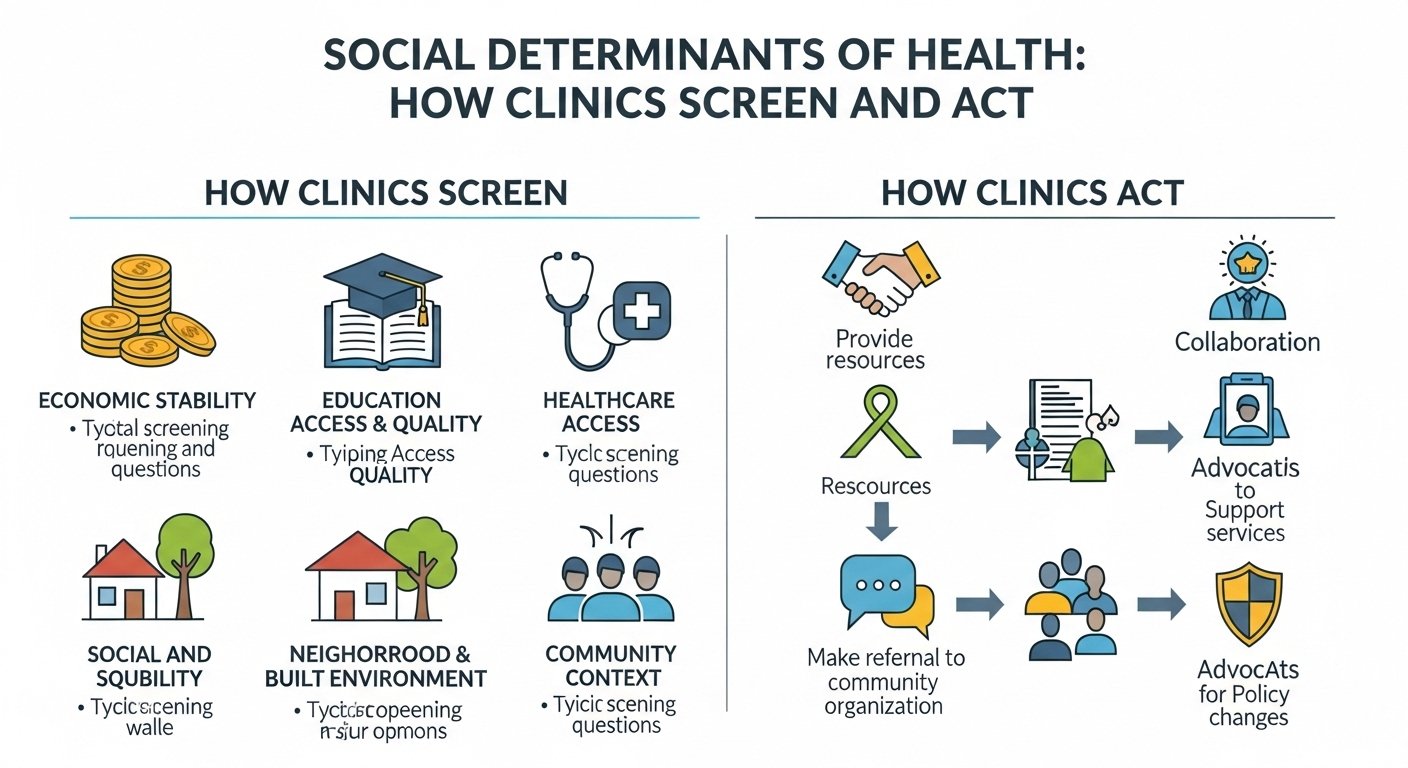
Social Determinants of Health: How Clinics Screen and Act
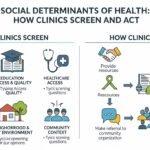
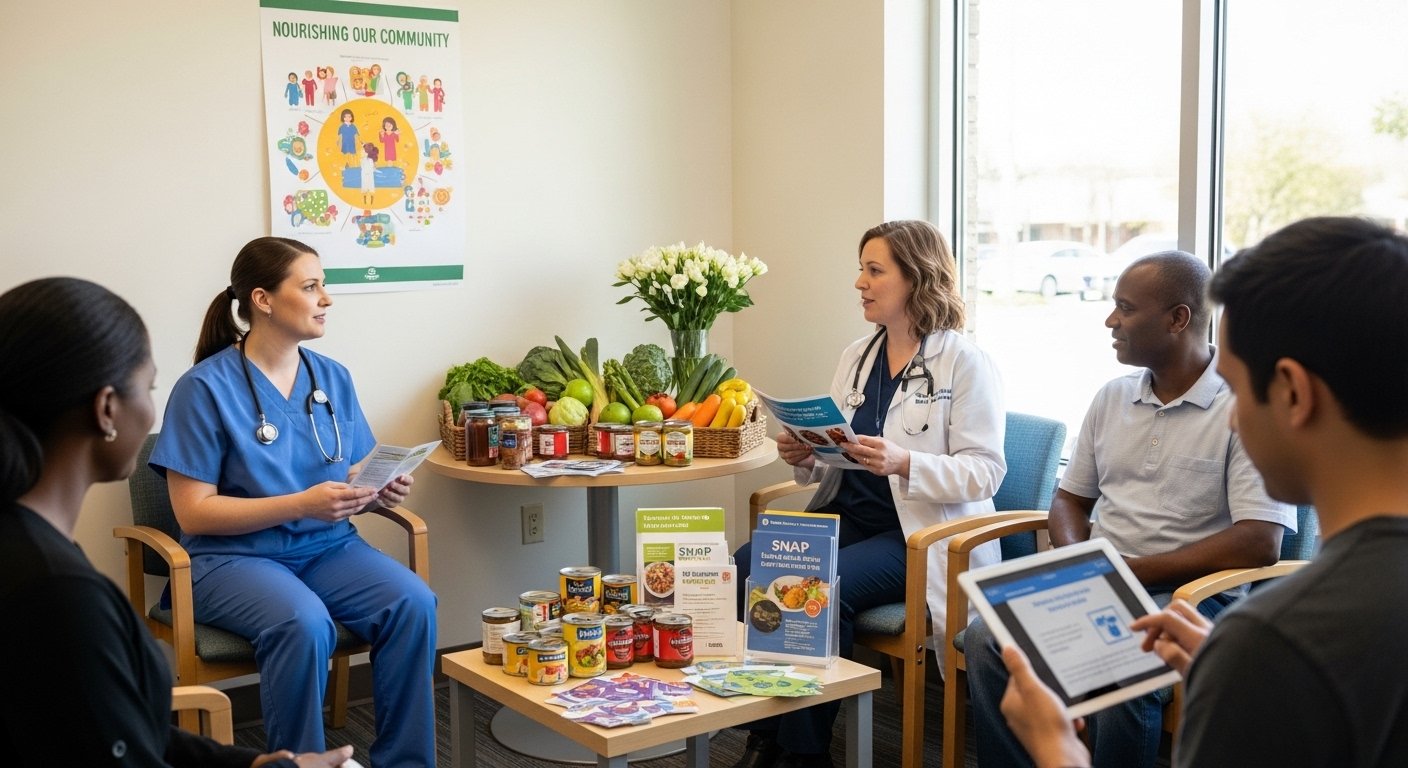
Social determinants of health (SDOH) — the non-medical conditions in which people are born, live, learn, work, and age — account for up to 80% of health outcomes. These include economic stability, housing quality, educational attainment, social…
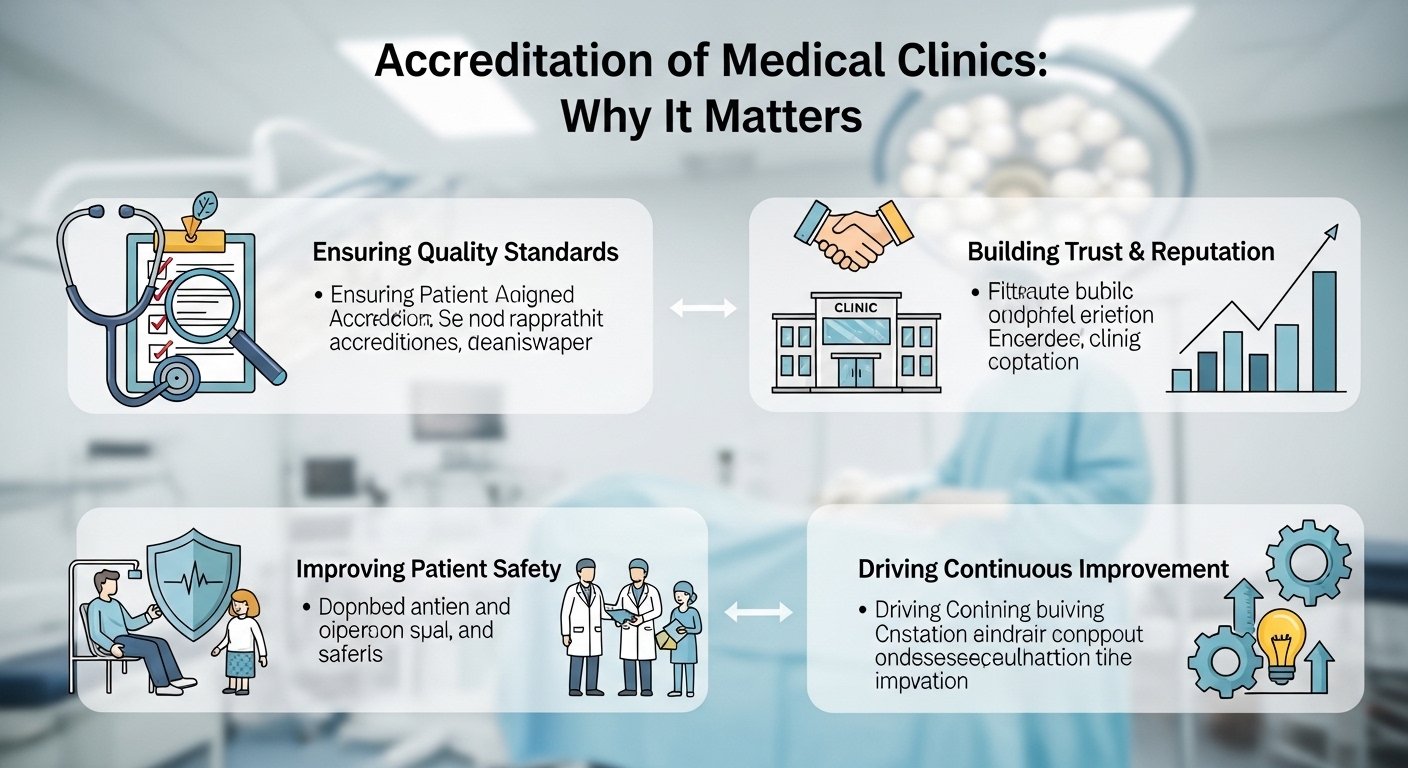
Accreditation of Medical Clinics: Why It Matters
Clinical accreditation — the process by which an independent accreditation organization evaluates a healthcare clinic against established standards and certifies that it meets those standards — serves as an external validation of clinic quality and…
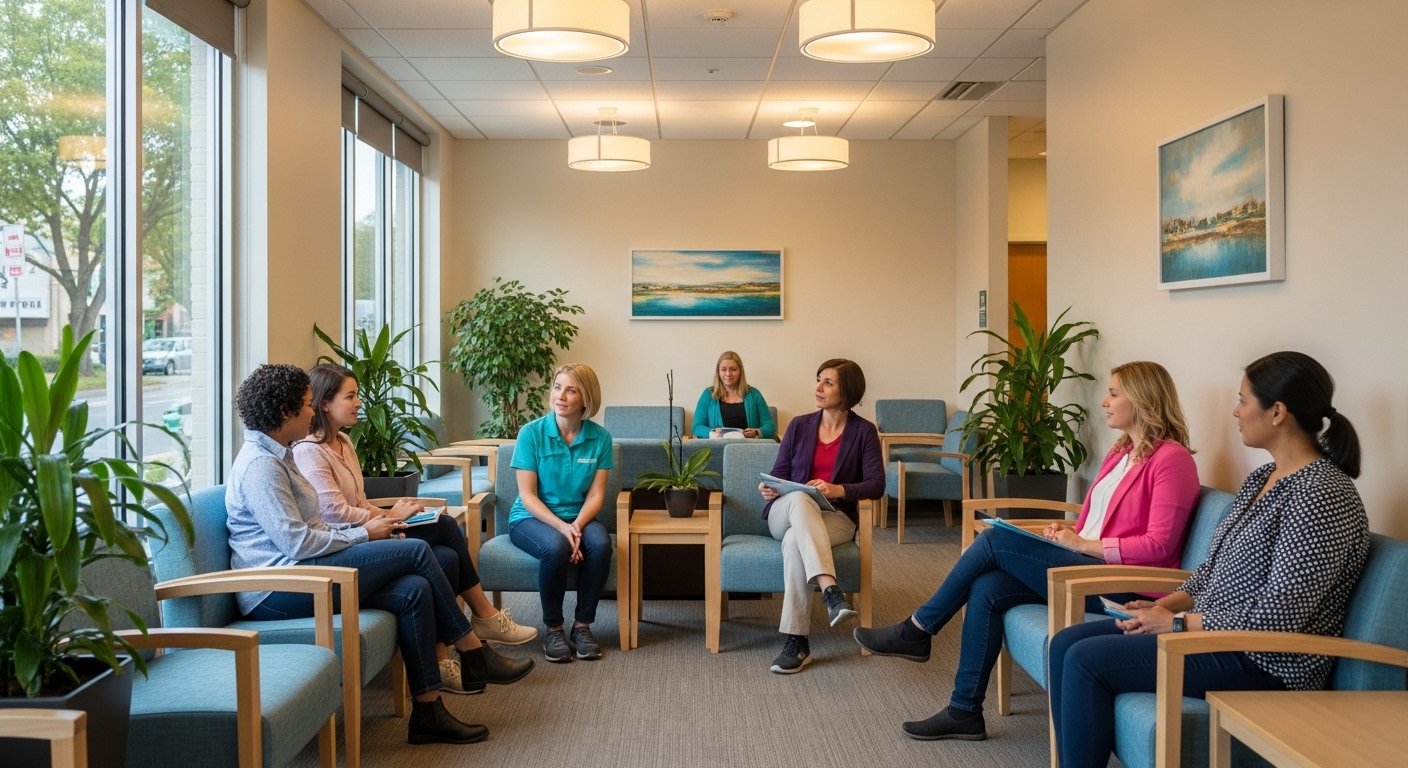
Nutrition Counseling at a Medical Clinic: Who Benefits
Nutrition is fundamental to health — diet profoundly affects the risk and progression of cardiovascular disease, Type 2 diabetes, obesity, cancer, osteoporosis, kidney disease, and many other conditions. Yet nutrition counseling remains underutilized in…
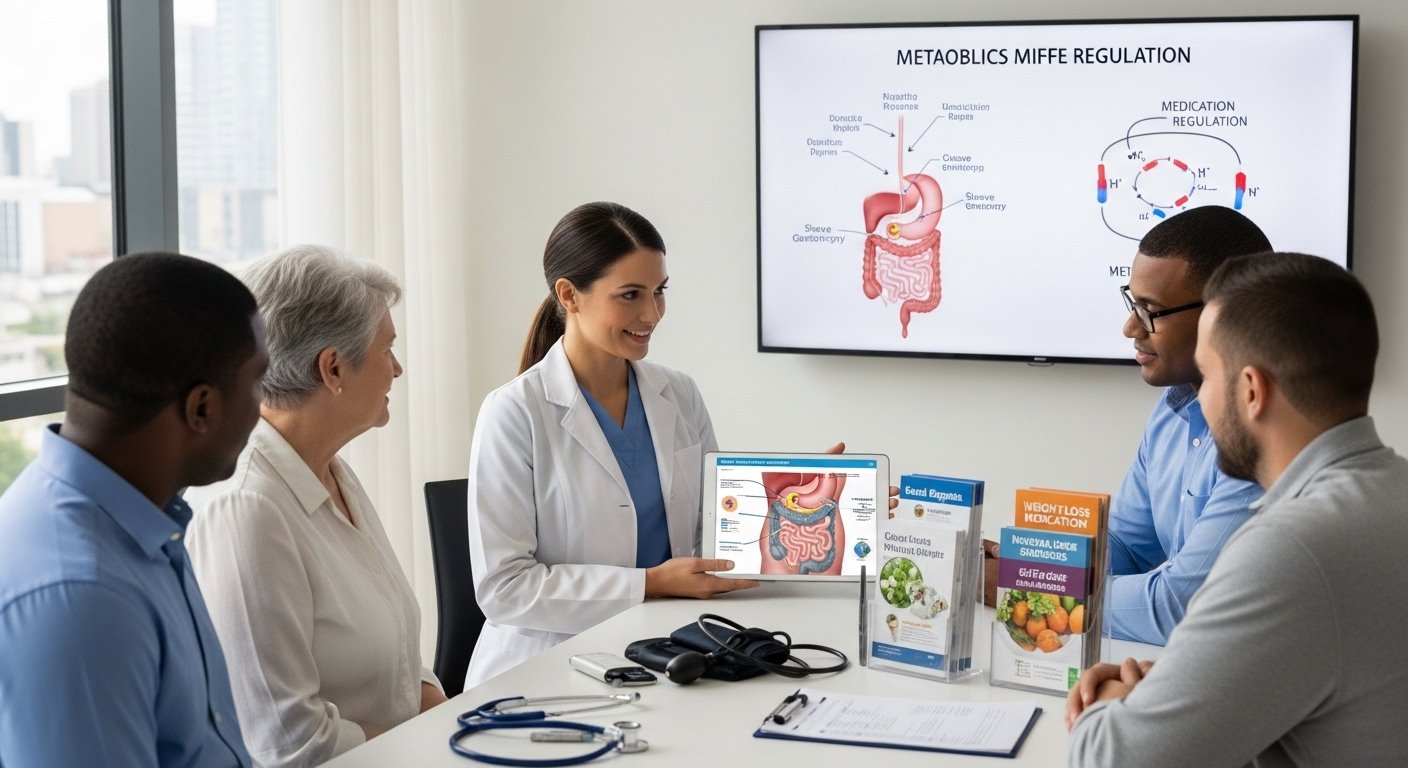
Weight Loss Clinics: Medical Approaches to Obesity
Obesity — affecting 42% of American adults — is a complex, chronic, multifactorial disease involving genetic, hormonal, neurological, environmental, and behavioral determinants. It is not simply a failure of willpower. Medical weight loss clinics and…
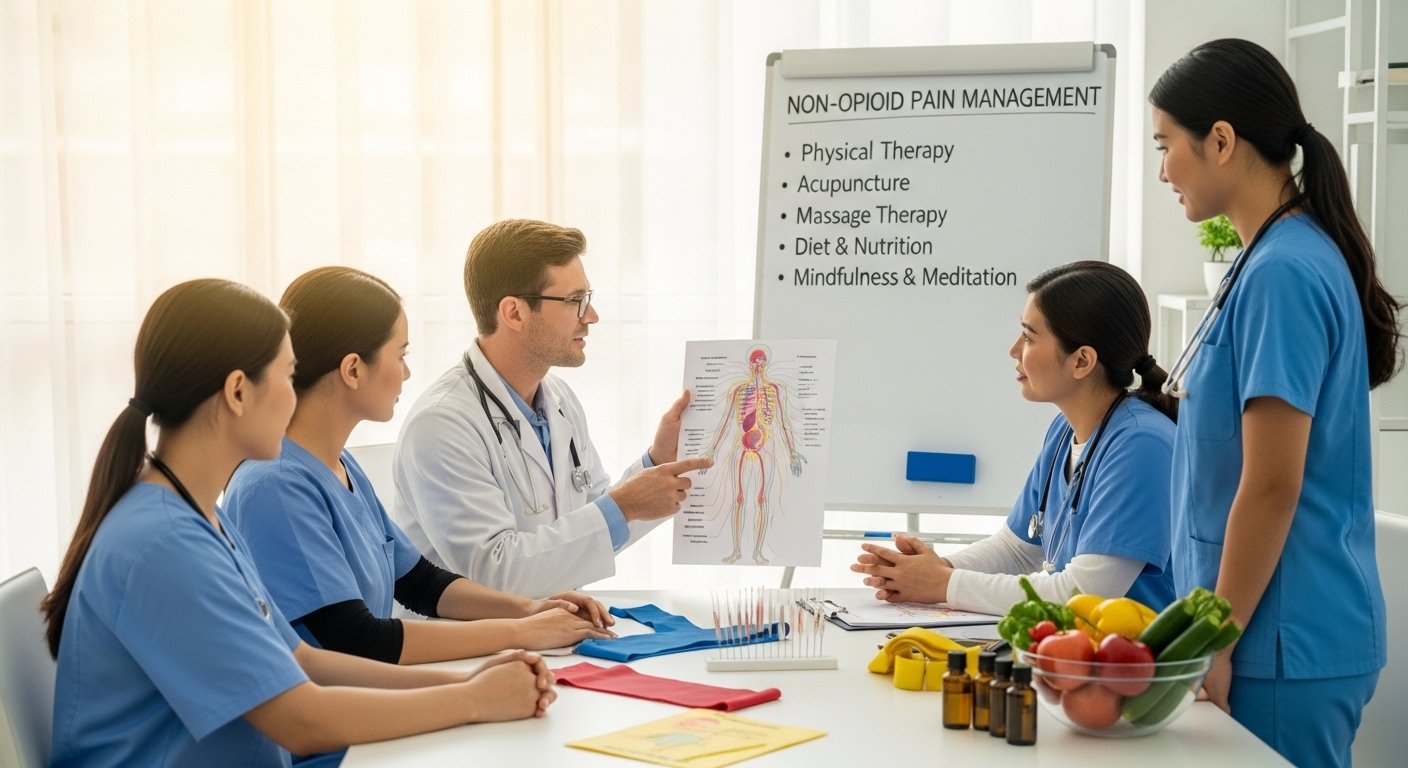
How Clinics Manage Pain Without Opioids
The opioid crisis — which has claimed over 500,000 lives from overdose since 1999 — prompted fundamental changes in how medical clinics approach pain management. A growing recognition that opioids are often not the most effective long-term pain treatment…
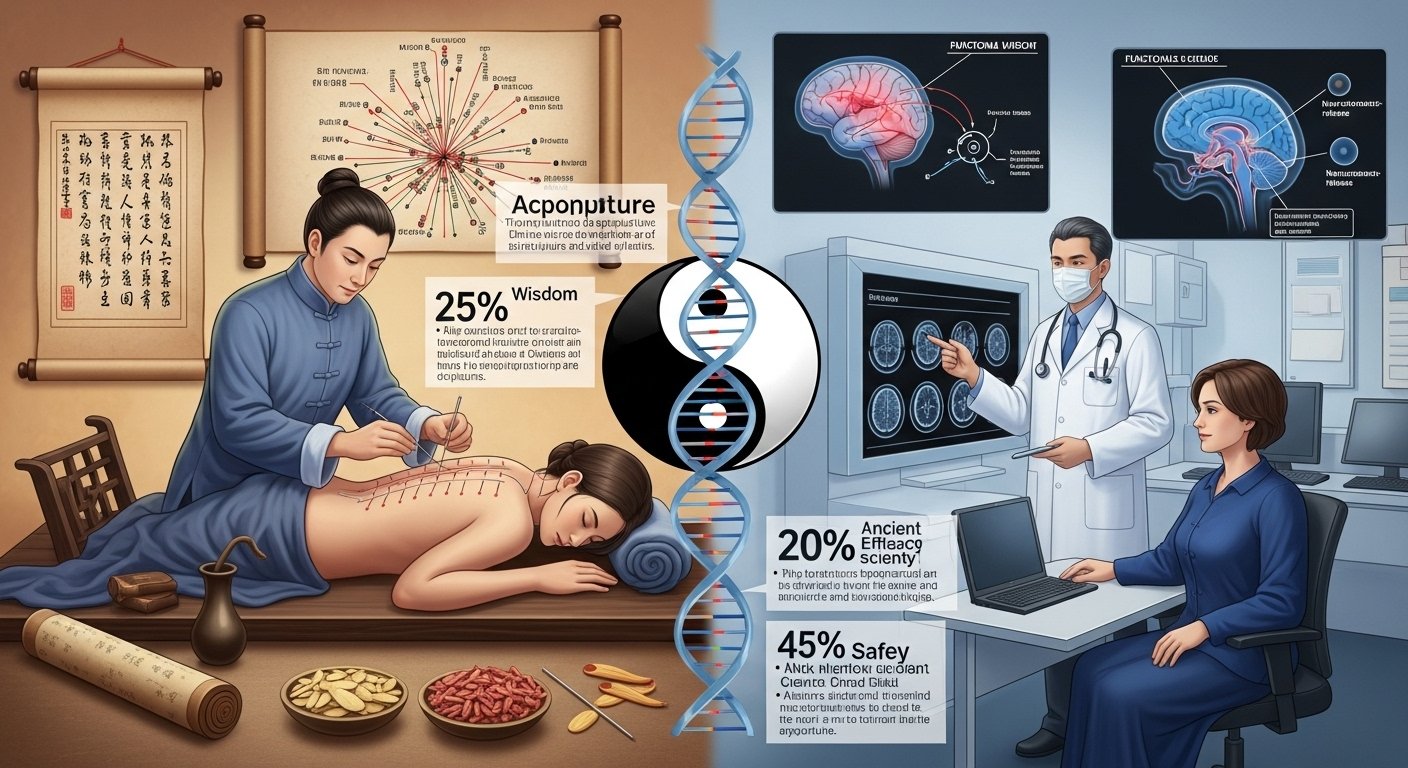
Acupuncture in Medical Settings: Evidence and Practice
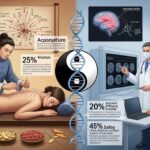
Acupuncture — the insertion of thin needles at specific points on the body to promote health and treat disease — has moved from traditional Chinese medicine practices into mainstream medical clinic settings, supported by growing clinical evidence for…
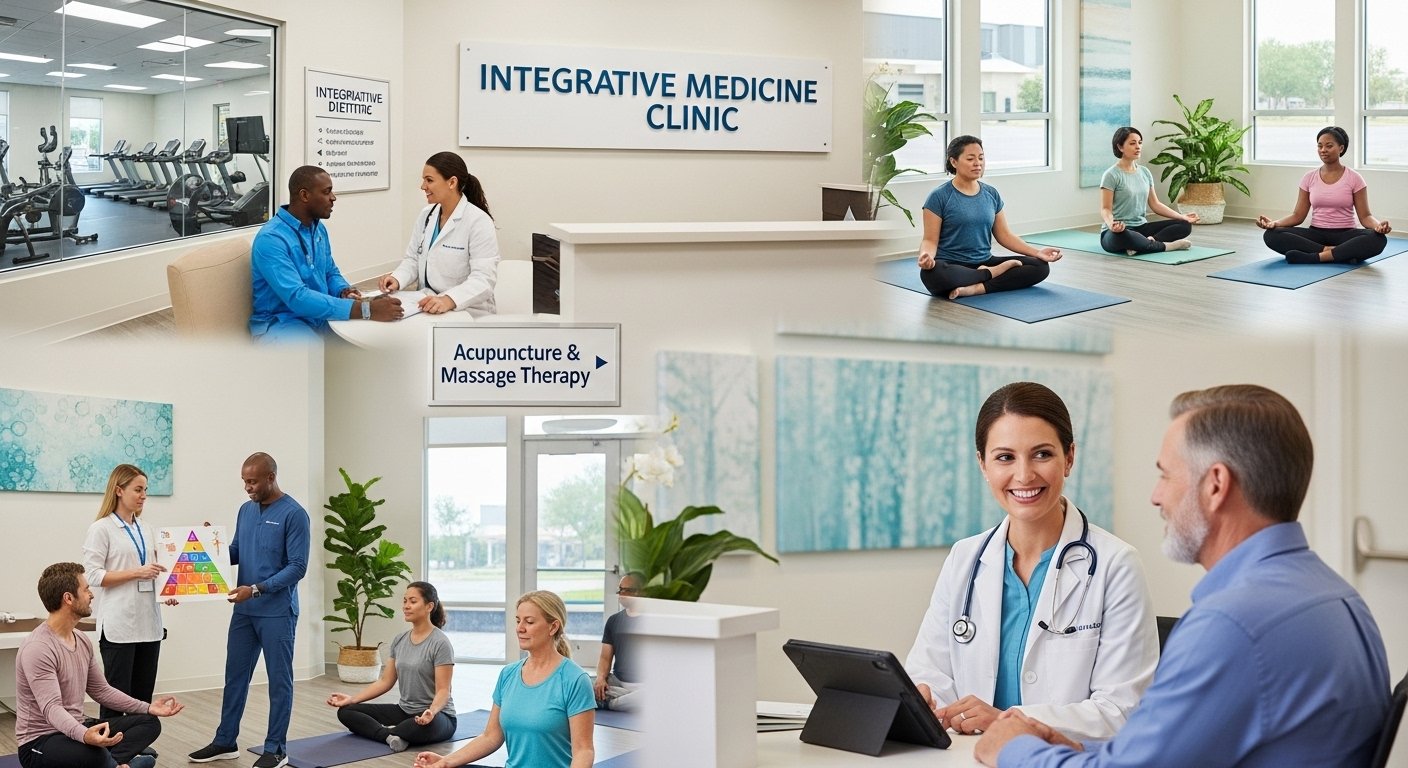
Integrative Medicine at a Clinic: What It Involves
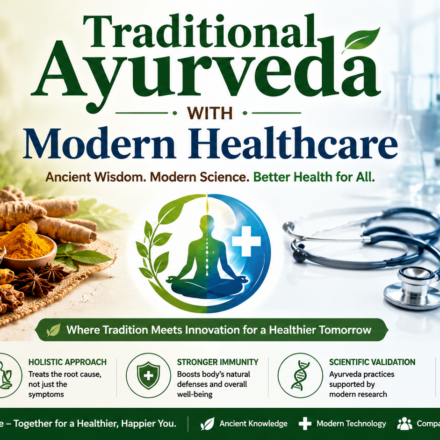
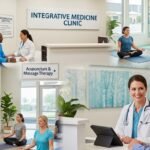
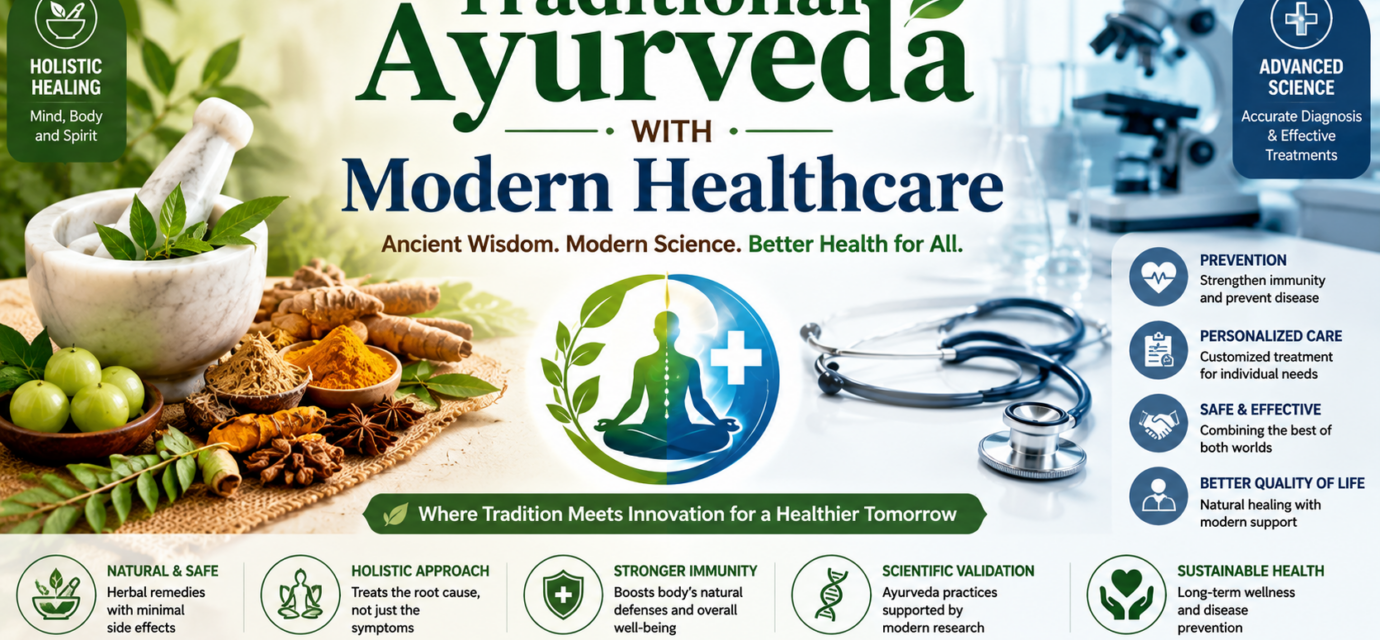
Integrative medicine — an approach that combines conventional Western medicine with evidence-informed complementary practices to address the whole person (body, mind, and spirit) — has moved from the fringes to the mainstream of academic medical centers…

The Role of Nurses in Medical Clinics
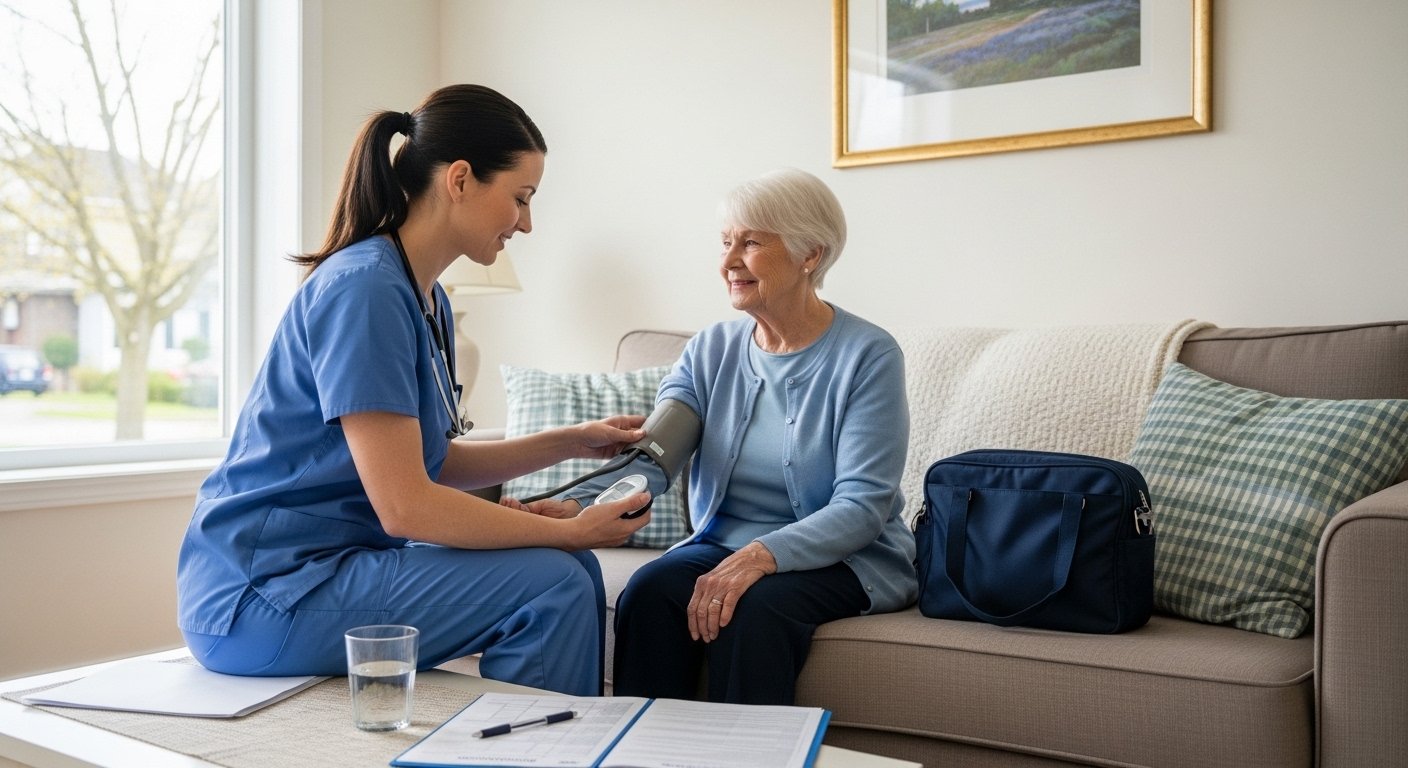
Nurses are the backbone of medical clinic operations — providing direct patient care, coordinating clinical workflows, communicating between patients and physicians, administering medications and vaccines, and managing the complex logistics of…