








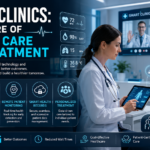























Smart Clinics: The Future of Patient Care and Treatment

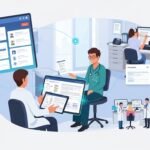
Healthcare is evolving rapidly, and smart clinics are becoming a key part of modern medical services. With advanced technology, digital systems, and patient-focused care, these clinics are transforming how healthcare is delivered. From online…
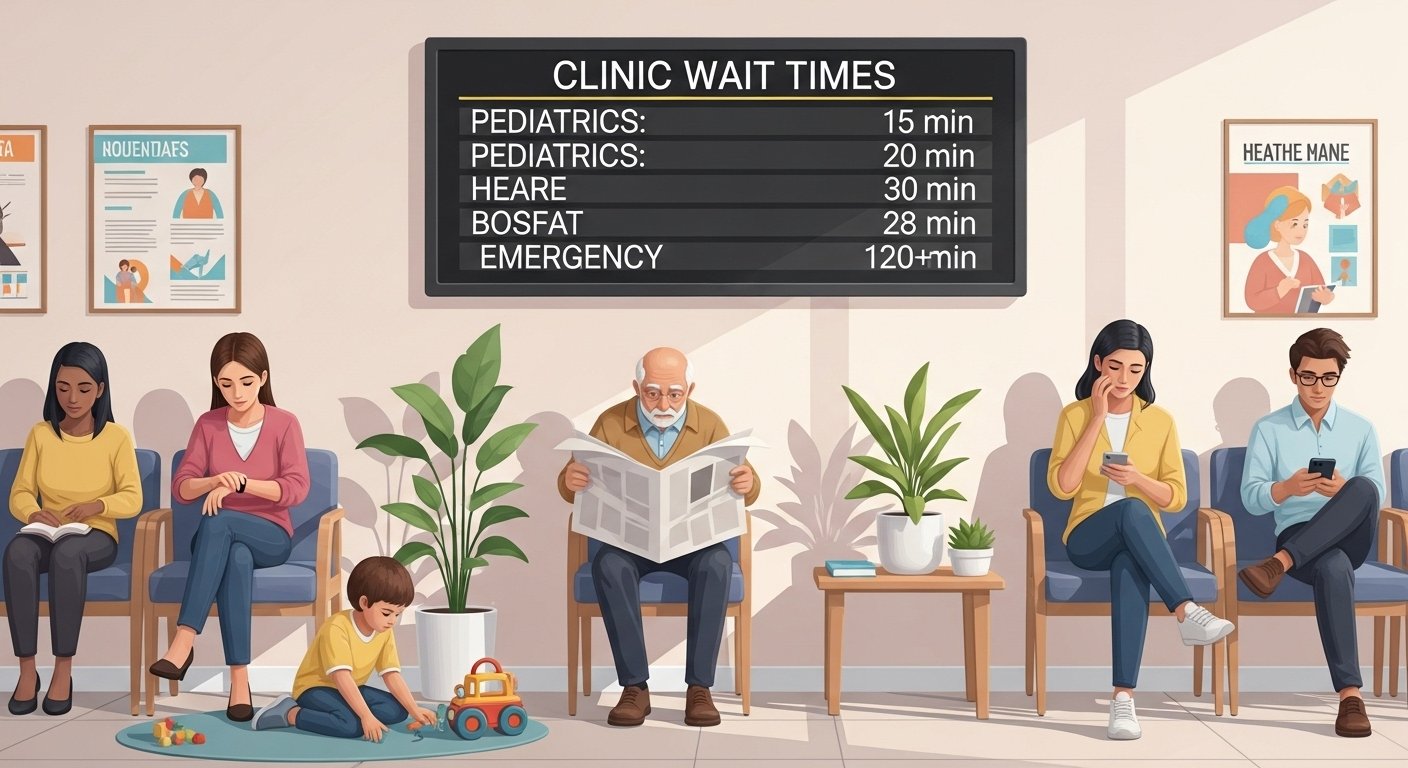
Clinic Wait Times: What They Mean and When to Worry
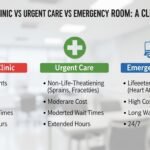
Clinic Wait Times: What They Mean and When to Worry is a common reason patients contact a medical clinic. Whether you are new to the healthcare system or managing multiple conditions, it helps to understand what clinics can do in an outpatient visit,…
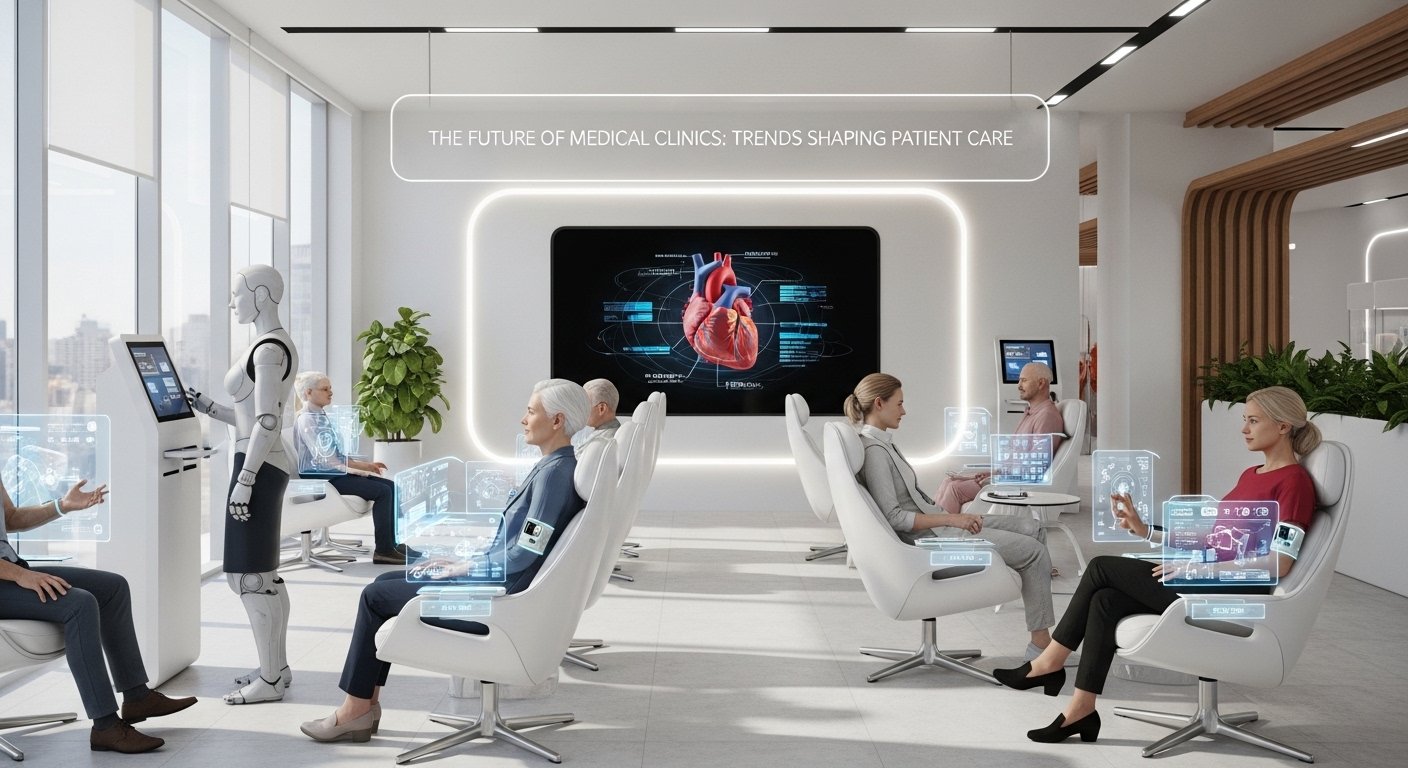
The Future of Medical Clinics: Trends Shaping Patient Care
Medical clinics are transforming rapidly — driven by technological innovation, shifting demographic needs, evolving payment models, and lessons learned from the COVID-19 pandemic. Understanding the trends shaping the future of clinic-based care helps…

Shared Decision Making: Working with Your Doctor on Treatment Plans
Shared decision making (SDM) — a collaborative process in which clinicians and patients work together to make healthcare decisions that are both evidence-based and aligned with the patient’s values, preferences, and life circumstances — is widely…

Health Literacy: How Clinics Help Patients Understand Their Care
Health literacy — the ability to obtain, process, and understand the health information needed to make appropriate health decisions — is a critical but frequently overlooked determinant of health outcomes. Nearly half of American adults have low health…
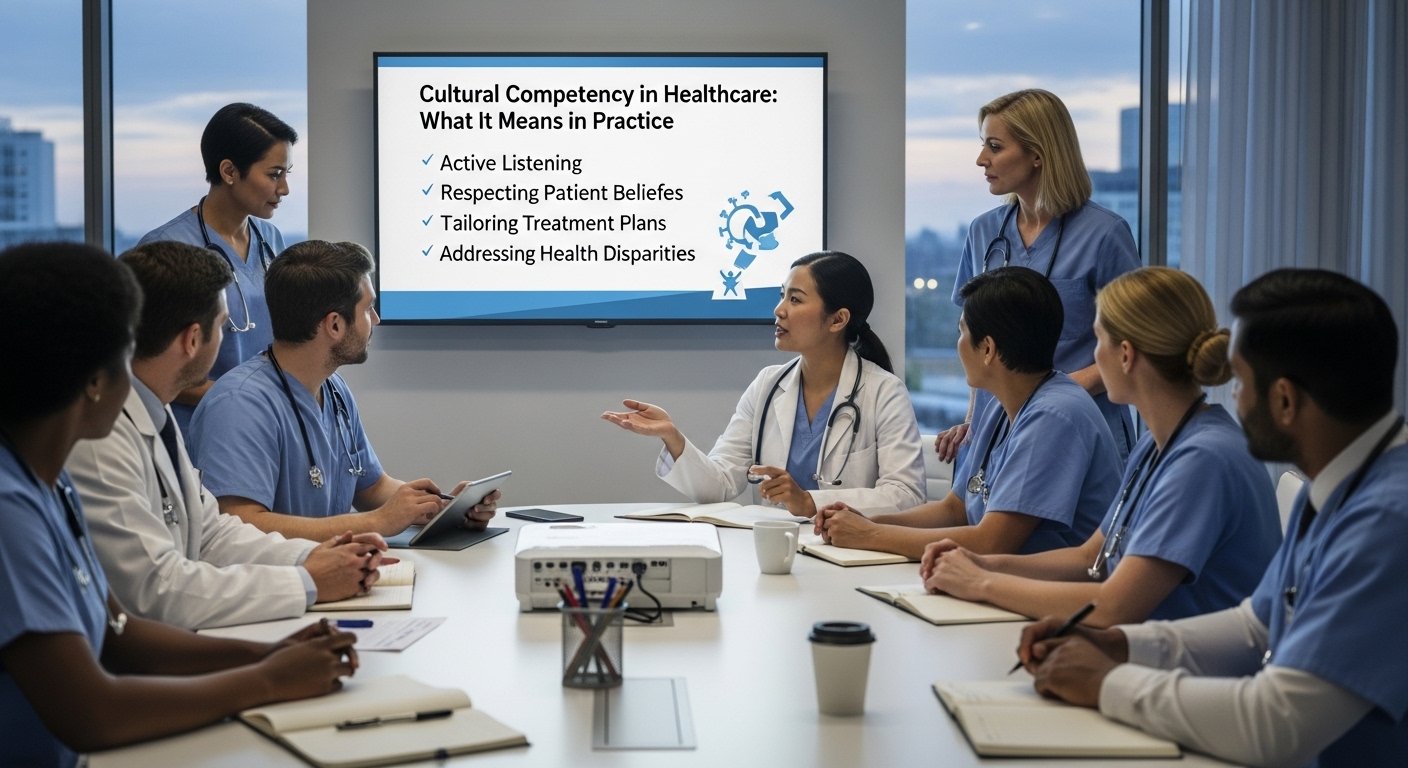
Cultural Competency in Healthcare: What It Means in Practice
Cultural competency — the ability of healthcare providers and systems to effectively deliver care to patients with diverse values, beliefs, and behaviors — is a clinical skill with direct health consequences. Patients who receive culturally responsive…
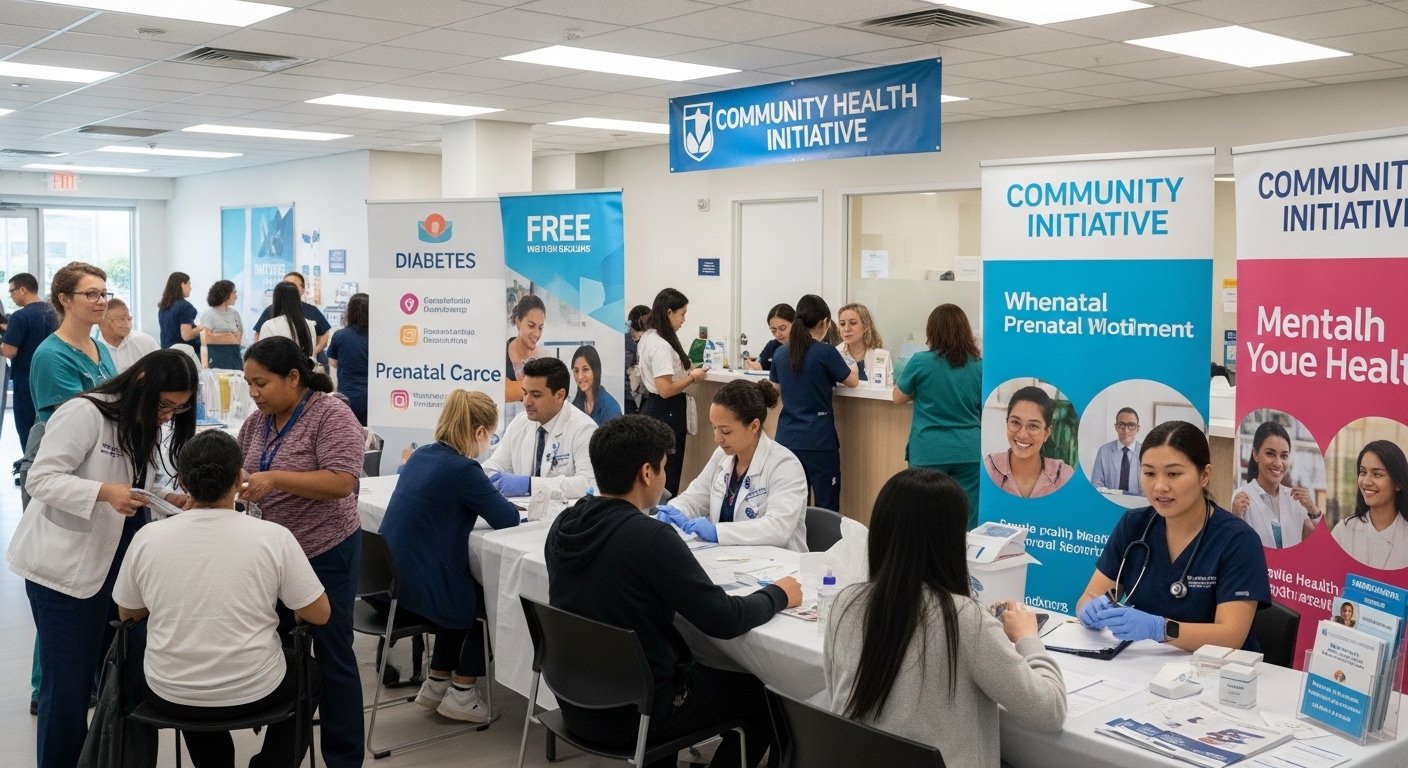
How Clinics Address Health Disparities in Their Communities
Health disparities — preventable differences in health outcomes and access to care linked to social, economic, and environmental disadvantages — are pervasive in American healthcare. Black Americans die from cardiovascular disease at higher rates than…
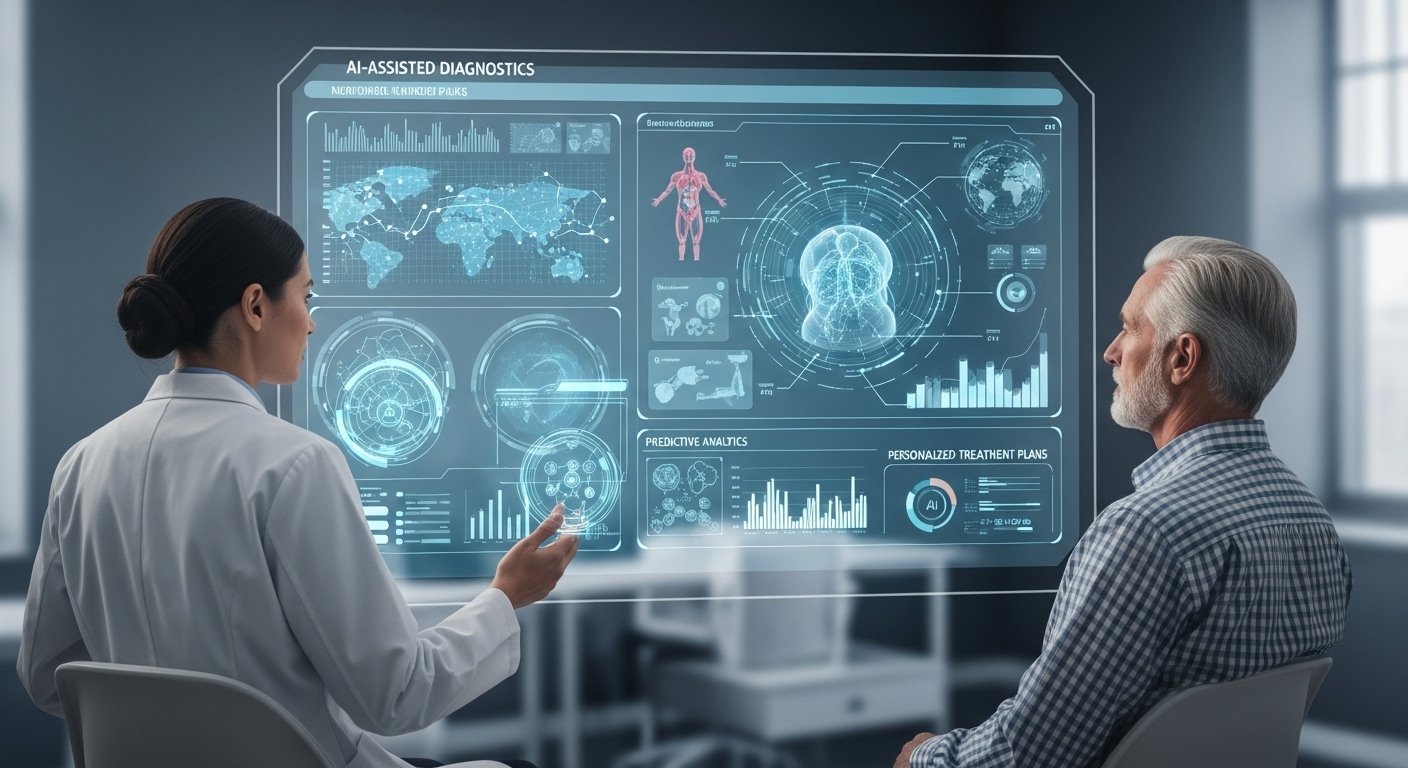
Artificial Intelligence in Medical Clinics: Current Uses
Artificial intelligence (AI) — machine learning algorithms that identify patterns in large datasets — is entering medical clinics across multiple applications, from clinical decision support to diagnostic imaging interpretation to administrative…
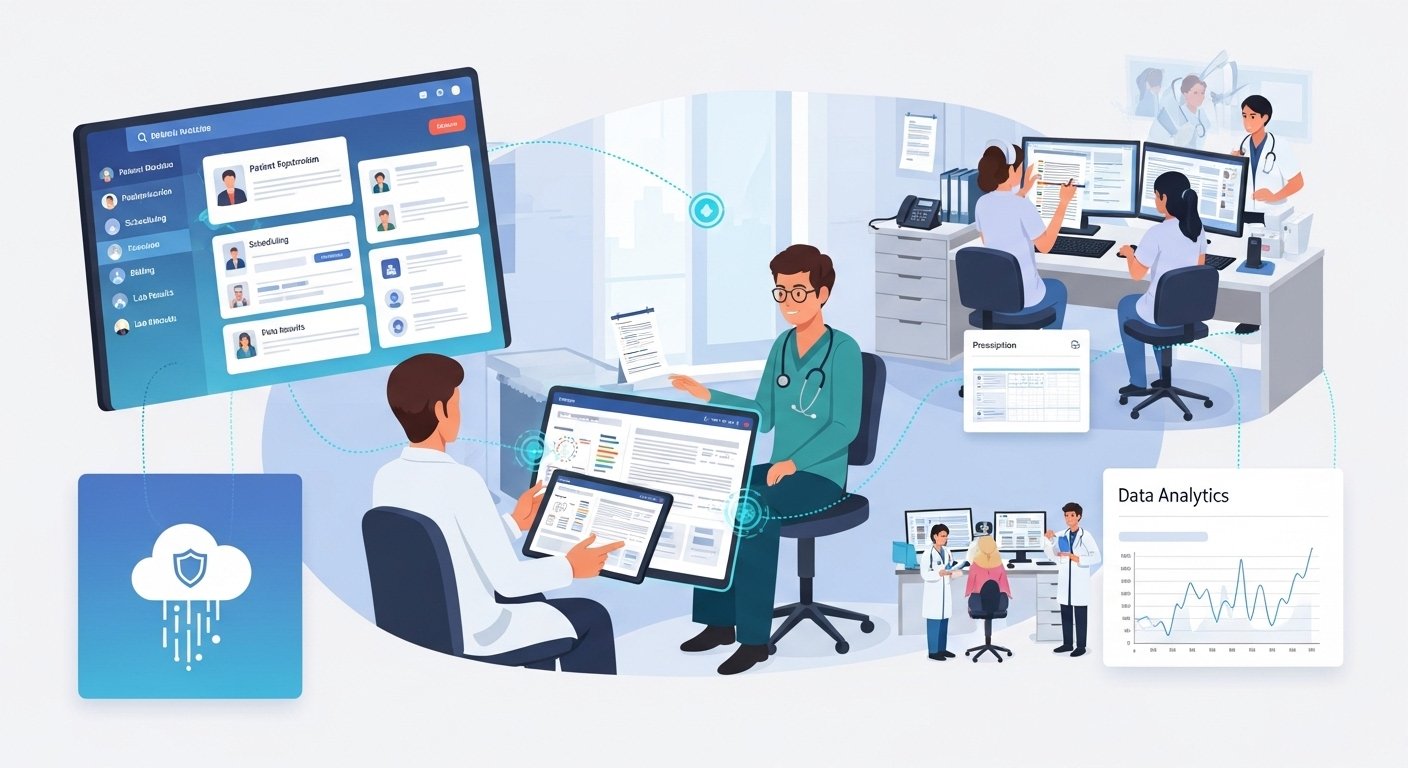
How Clinics Use Electronic Health Records (EHR)
Electronic health records (EHRs) — digital systems that store and manage patient health information, replacing paper charts — are now ubiquitous in US healthcare, with over 90% of office-based physicians using EHR systems. They have transformed clinical…
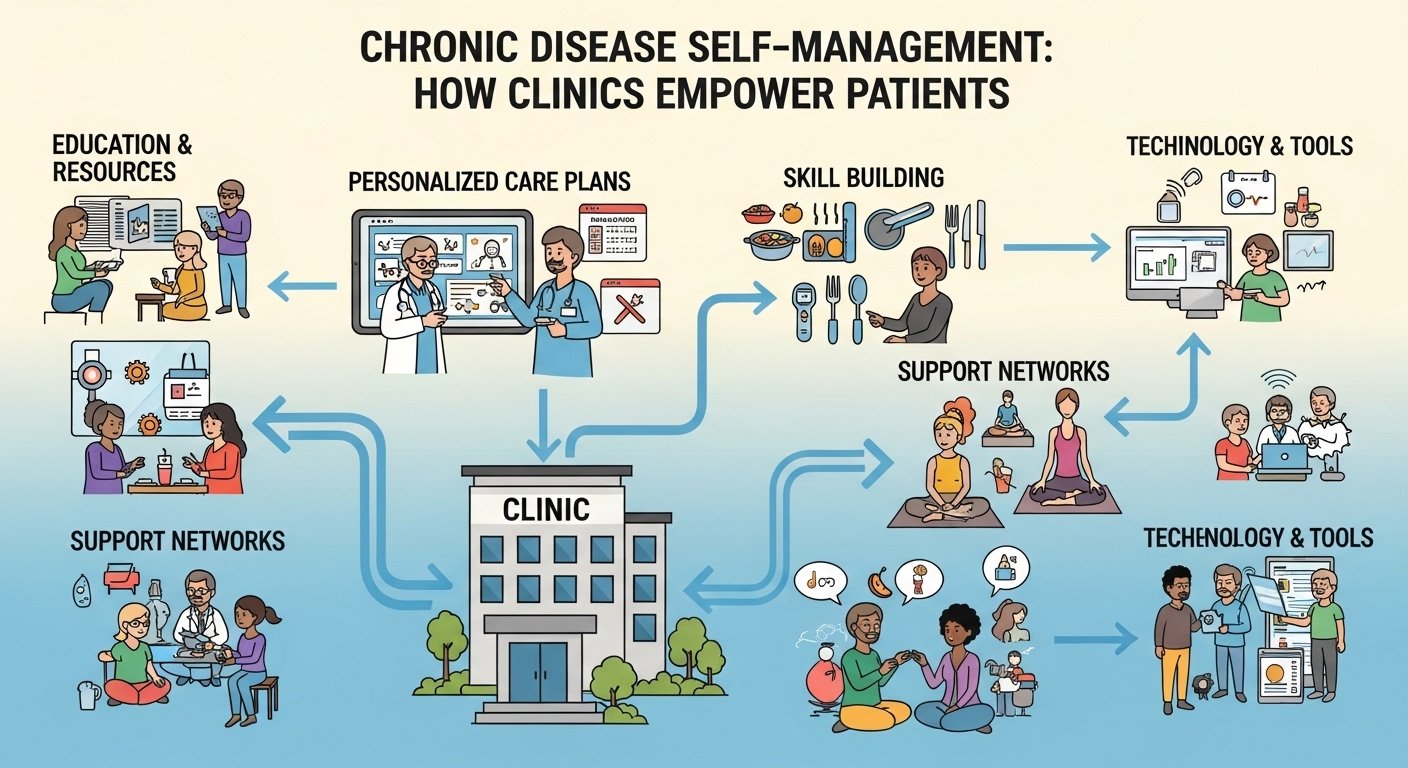
Chronic Disease Self-Management: How Clinics Empower Patients
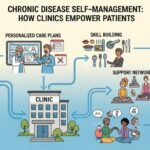
Chronic diseases require ongoing, day-to-day management that occurs primarily outside the clinic — in the choices patients make about diet, physical activity, medication adherence, symptom monitoring, and response to early warning signs. Clinic visits…