


































How Clinics Manage Pain Without Opioids

The opioid crisis — which has claimed over 500,000 lives from overdose since 1999 — prompted fundamental changes in how medical clinics approach pain management. A growing recognition that opioids are often not the most effective long-term pain treatment…
Acupuncture in Medical Settings: Evidence and Practice
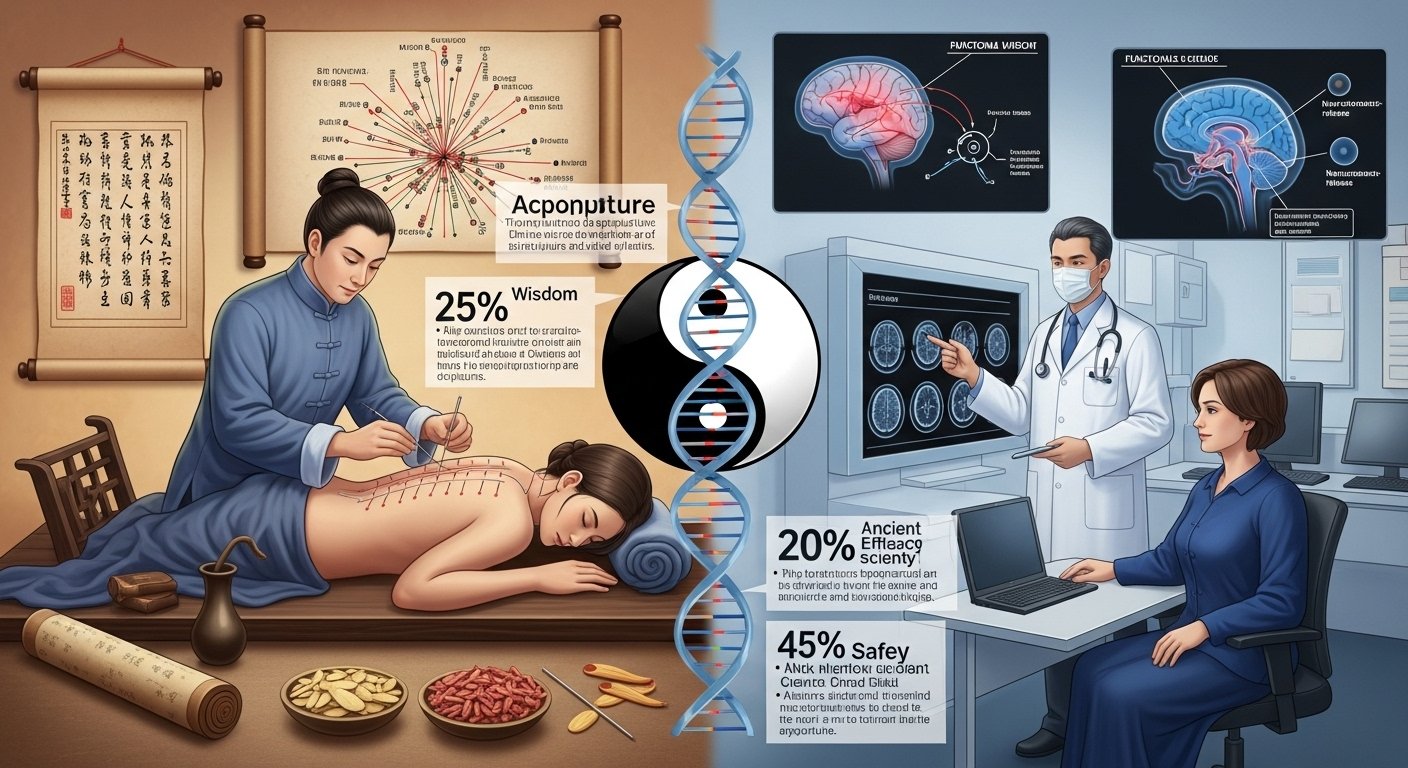
Acupuncture — the insertion of thin needles at specific points on the body to promote health and treat disease — has moved from traditional Chinese medicine practices into mainstream medical clinic settings, supported by growing clinical evidence for…

Integrative Medicine at a Clinic: What It Involves
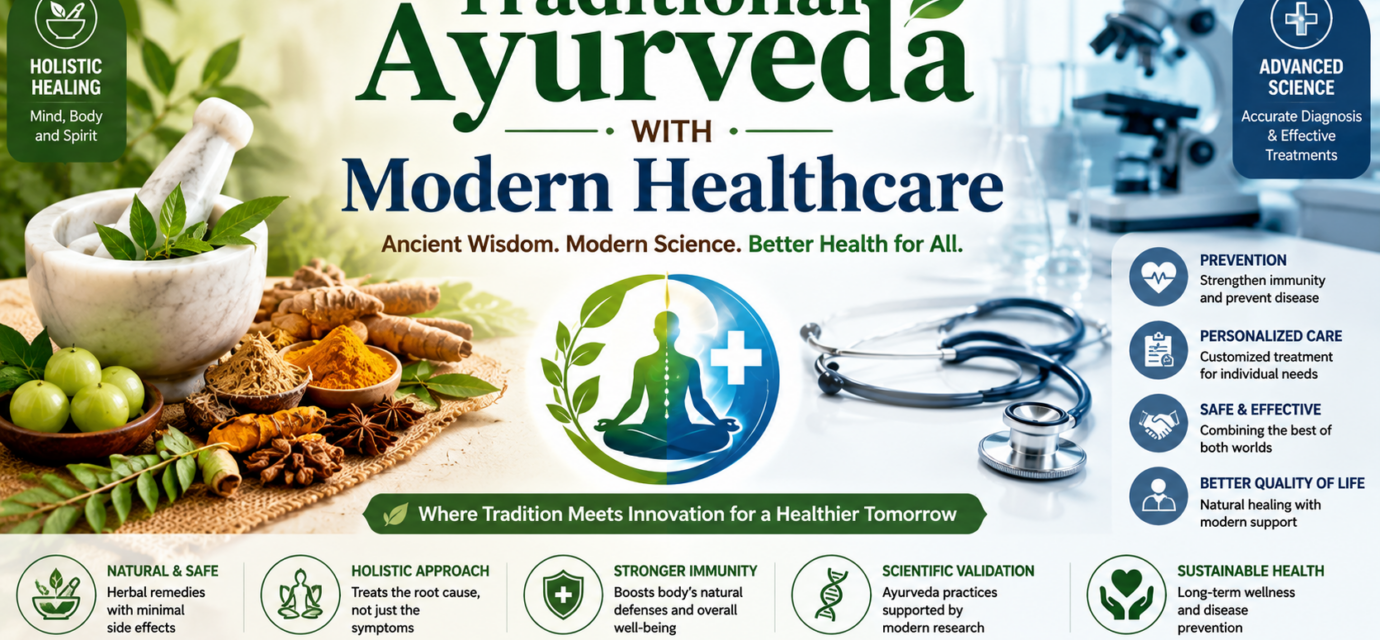
Integrative medicine — an approach that combines conventional Western medicine with evidence-informed complementary practices to address the whole person (body, mind, and spirit) — has moved from the fringes to the mainstream of academic medical centers…

The Role of Nurses in Medical Clinics
Nurses are the backbone of medical clinic operations — providing direct patient care, coordinating clinical workflows, communicating between patients and physicians, administering medications and vaccines, and managing the complex logistics of…
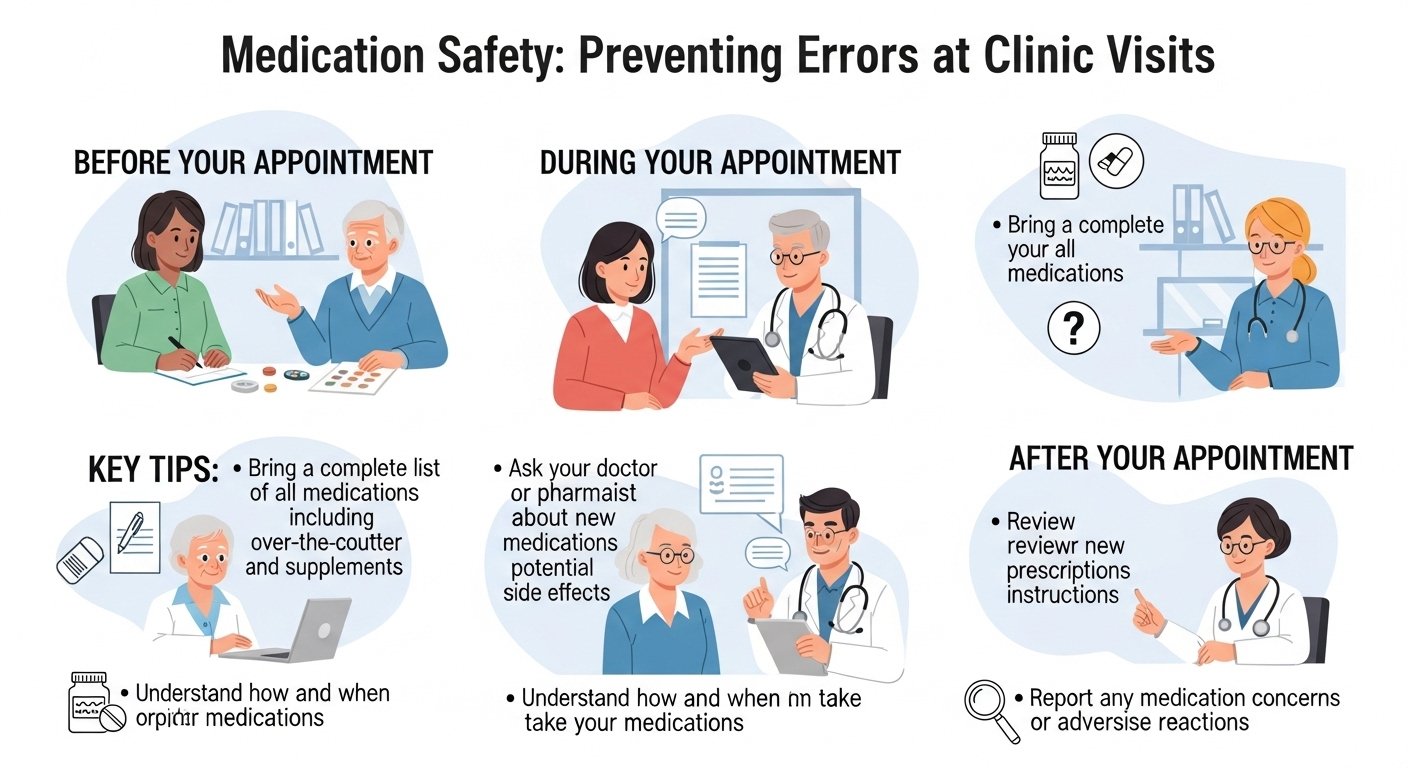
Medication Safety: Preventing Errors at Clinic Visits
Medication errors — the wrong medication, wrong dose, wrong patient, or failure to consider drug interactions — are one of the most common and preventable causes of patient harm in healthcare. The clinic setting is where most prescriptions originate, and…
Understanding Your Lab Results: A Patient’s Guide
Laboratory test results are now delivered directly to patients through electronic health portals — often before a clinician has reviewed or interpreted them. This immediate access is empowering but also anxiety-provoking when results appear marked…

How to Get the Most from a Doctor’s Appointment
The average primary care appointment is 18 minutes — a remarkably short time to address the health concerns, chronic conditions, medication questions, and preventive care needs of a complex, whole person. Making the most of this limited time requires…

Second Opinions: When and How to Seek One
Seeking a second opinion — consulting a different clinician about a diagnosis or treatment recommendation — is a well-established practice in medicine and your unquestionable right as a patient. Despite its benefits, many patients feel uncomfortable…
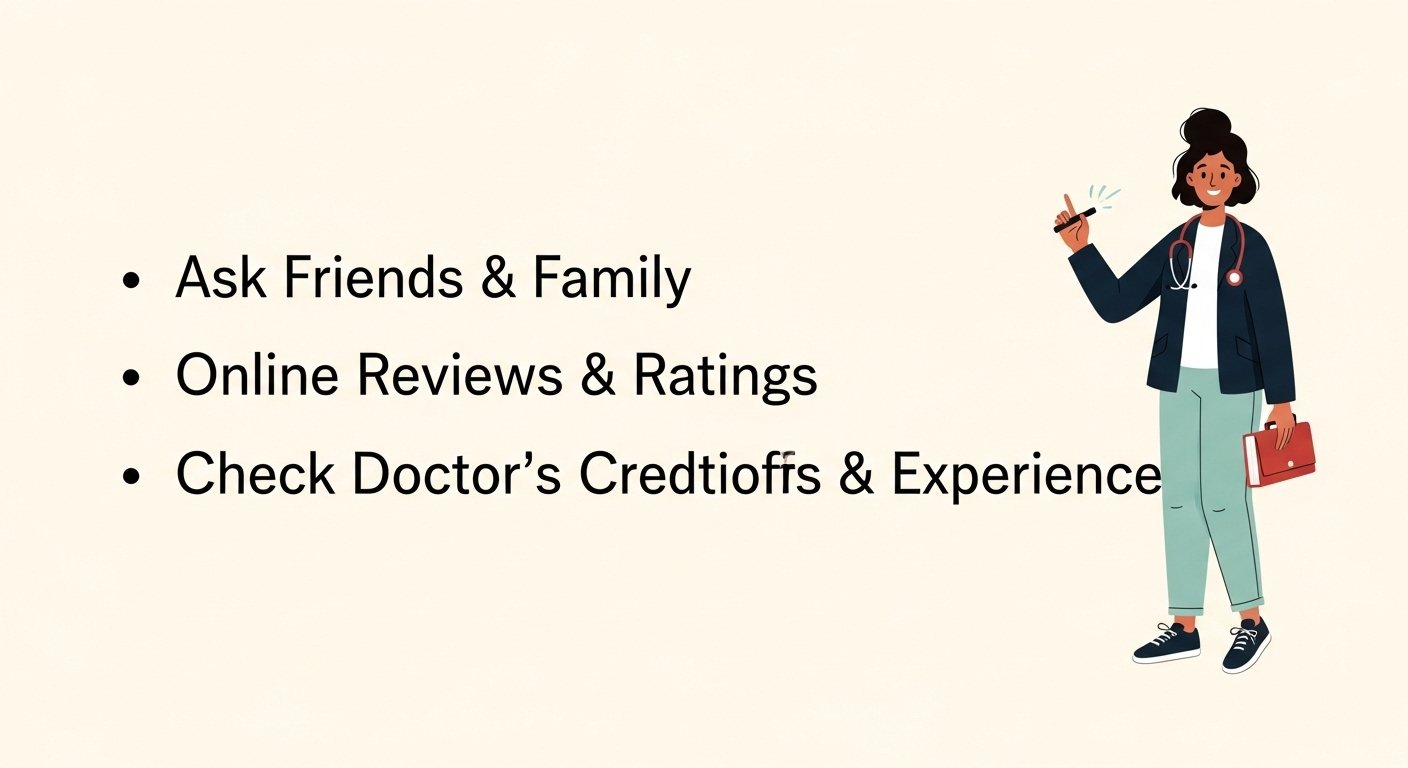
How to Choose the Right Primary Care Doctor
Your primary care doctor is arguably your most important healthcare relationship — the provider who coordinates your overall health, manages chronic conditions, guides preventive care, and serves as the navigator for specialist care. Choosing a primary…
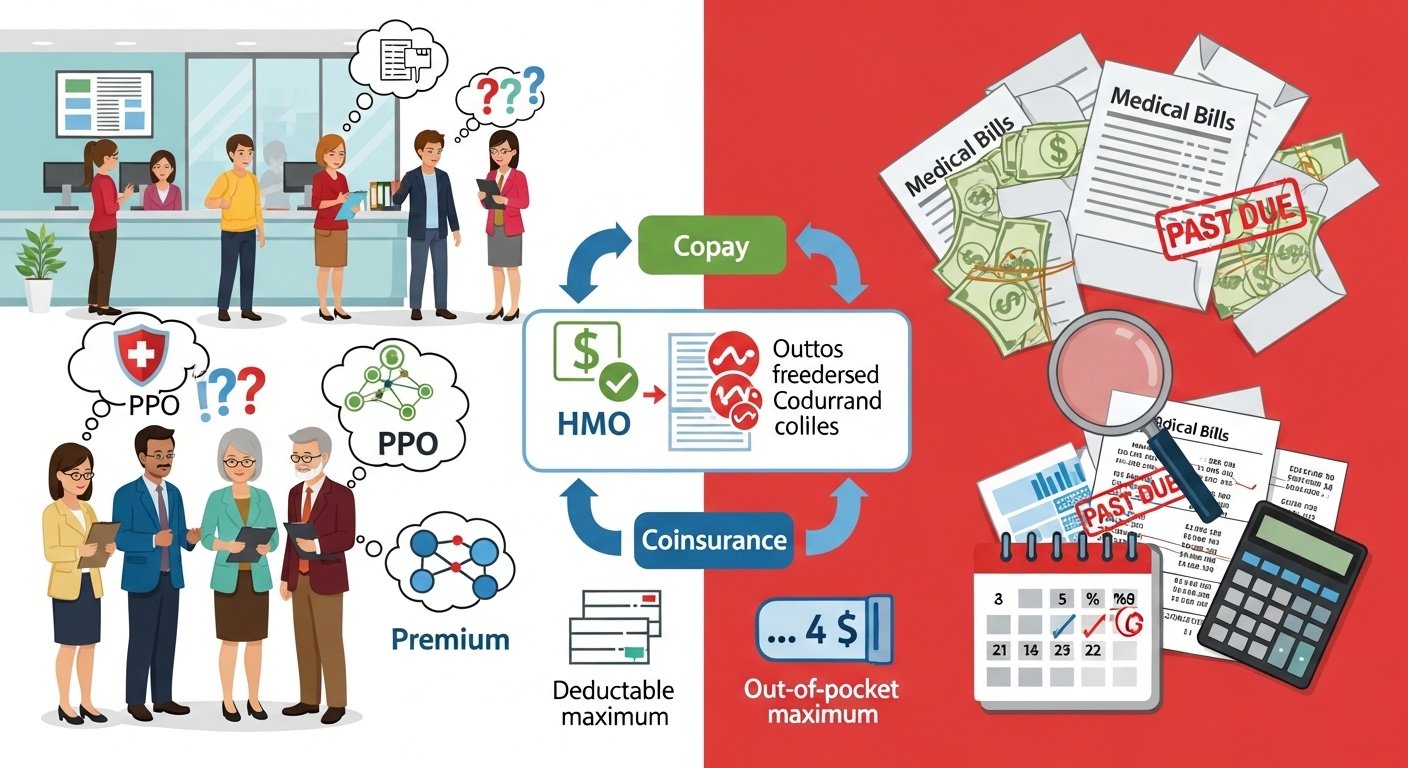
Health Insurance and Clinics: Understanding Coverage and Bills
The intersection of healthcare and insurance in the United States is notoriously complex — with deductibles, copays, coinsurance, prior authorizations, network restrictions, and explanation of benefits documents creating a system that bewilders even…