

















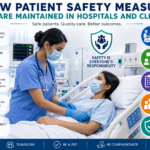




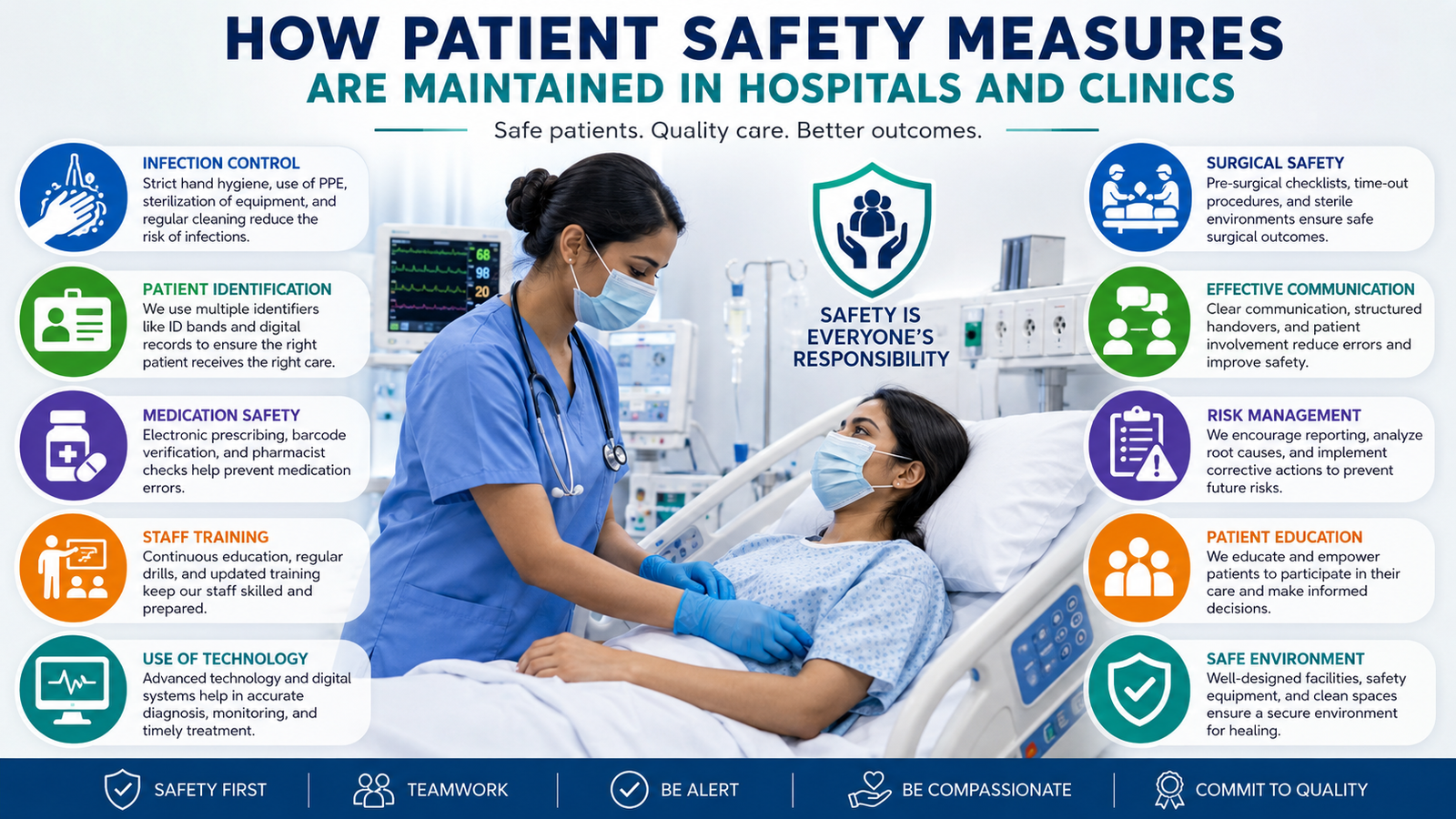
How Patient Safety Measures Are Maintained in Hospitals and Clinics

Learn how hospitals and clinics maintain patient safety through strict protocols, advanced technology, staff training, infection control practices, and continuous monitoring systems to ensure quality healthcare. Patient safety is the foundation of…
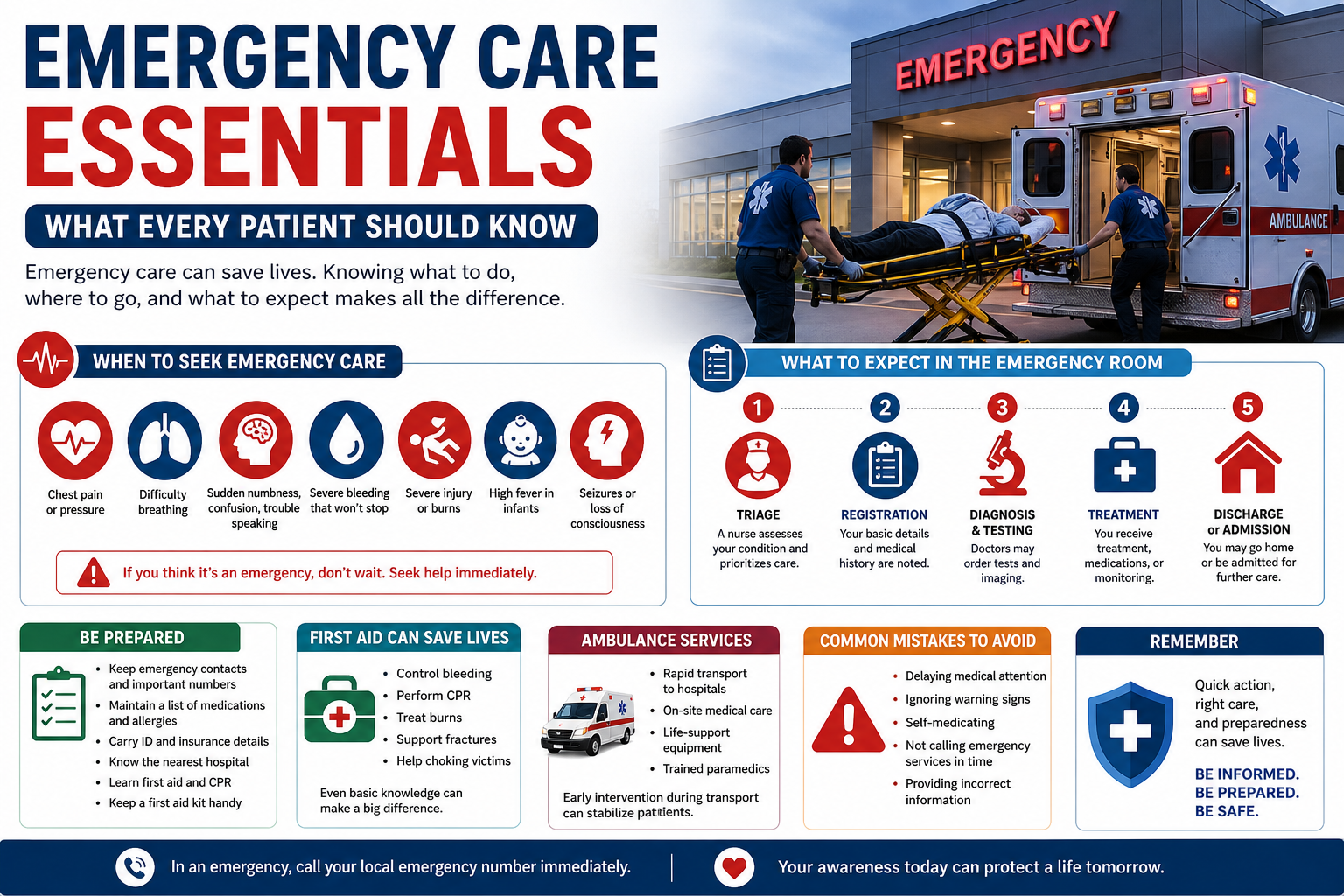
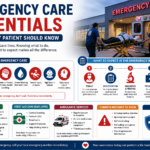
Emergency Care Essentials: What Every Patient Should Know
Learn the essentials of emergency care, including when to seek help, what to expect in the ER, and how to prepare for medical emergencies. A complete patient guide with FAQs and tips. Emergency care is a critical component of healthcare that can mean the…
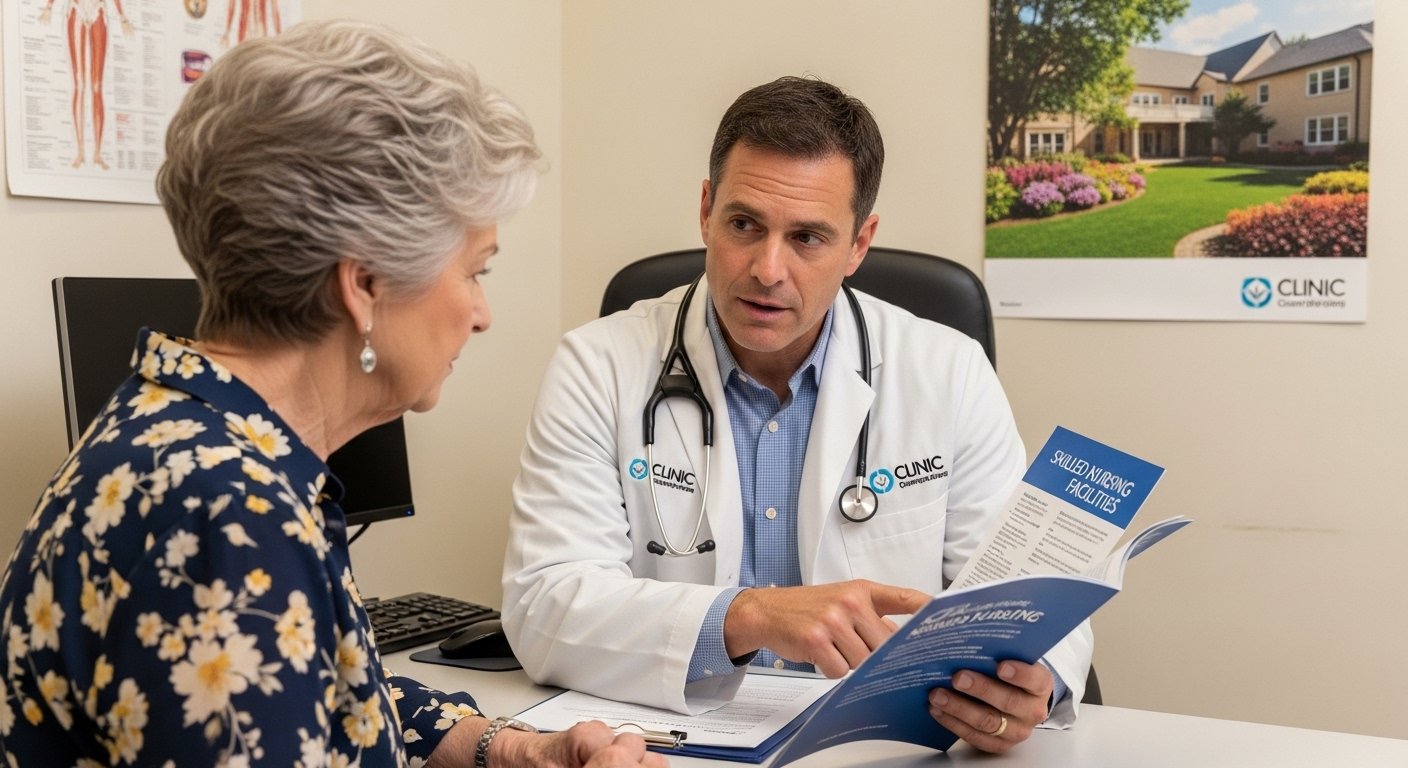
Skilled Nursing Facilities: When a Clinic Recommends One
Skilled nursing facilities (SNFs) — often called nursing homes — provide 24-hour nursing care and rehabilitation services for patients who need more intensive care than can be provided at home but less than requires hospital-level care. Medicare covers…
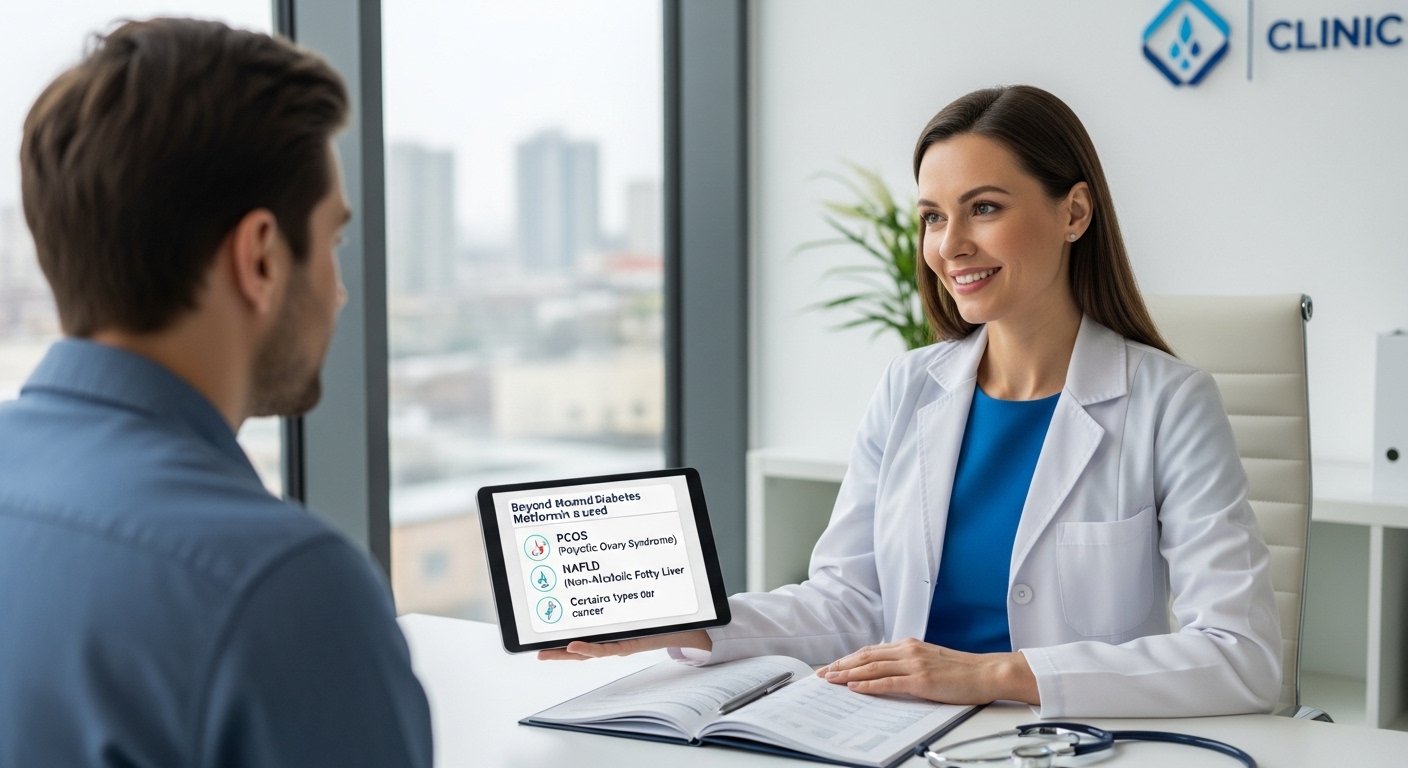
Metformin: What Clinics Use It For Beyond Diabetes
Metformin — a biguanide medication that has been the first-line pharmacological treatment for Type 2 diabetes for over 60 years — is among the most studied, prescribed, and cost-effective medications in medicine. Inexpensive, generally well-tolerated,…
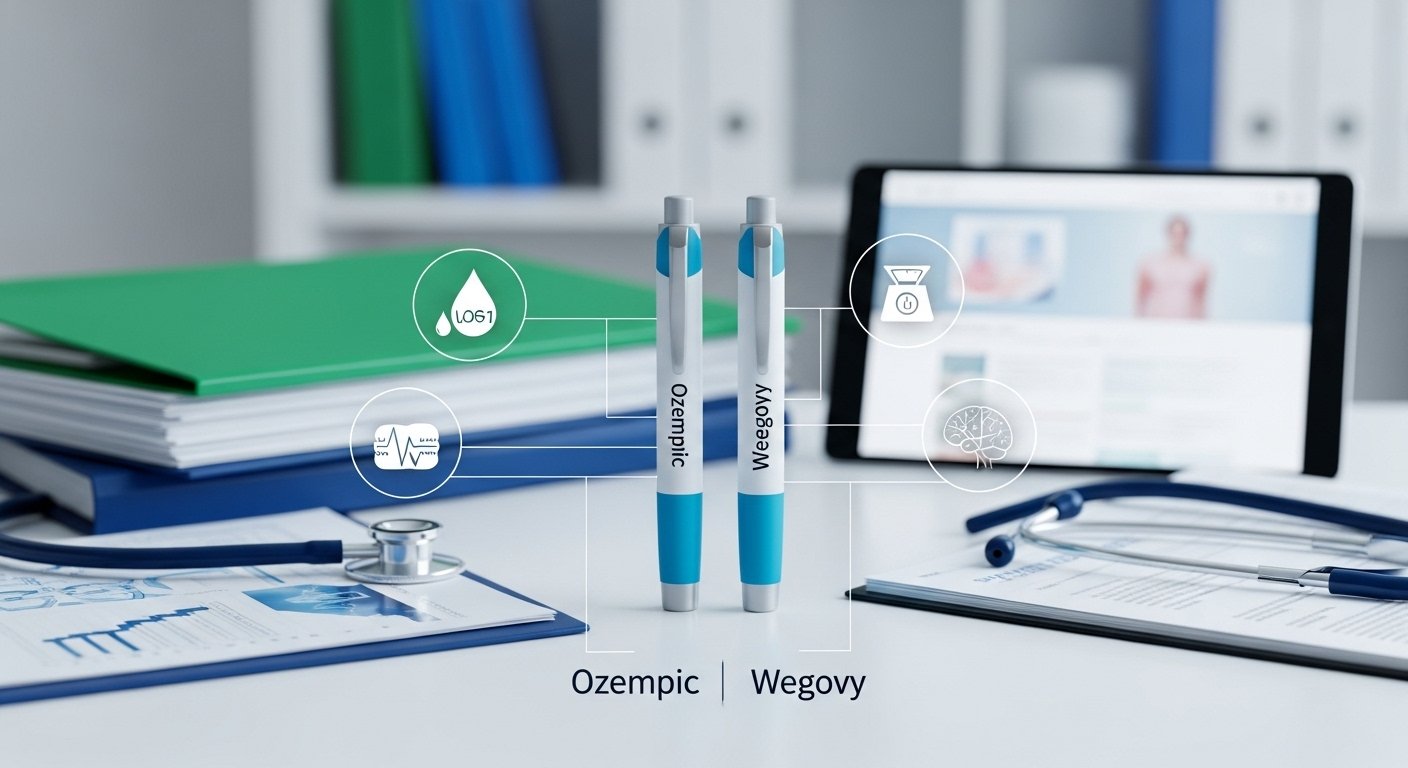
GLP-1 Medications: What Clinics Know About Ozempic and Wegovy
GLP-1 receptor agonists — the class of medications that includes semaglutide (Ozempic for diabetes, Wegovy for obesity), liraglutide (Victoza for diabetes, Saxenda for obesity), and tirzepatide (Mounjaro for diabetes, Zepbound for obesity) — have rapidly…
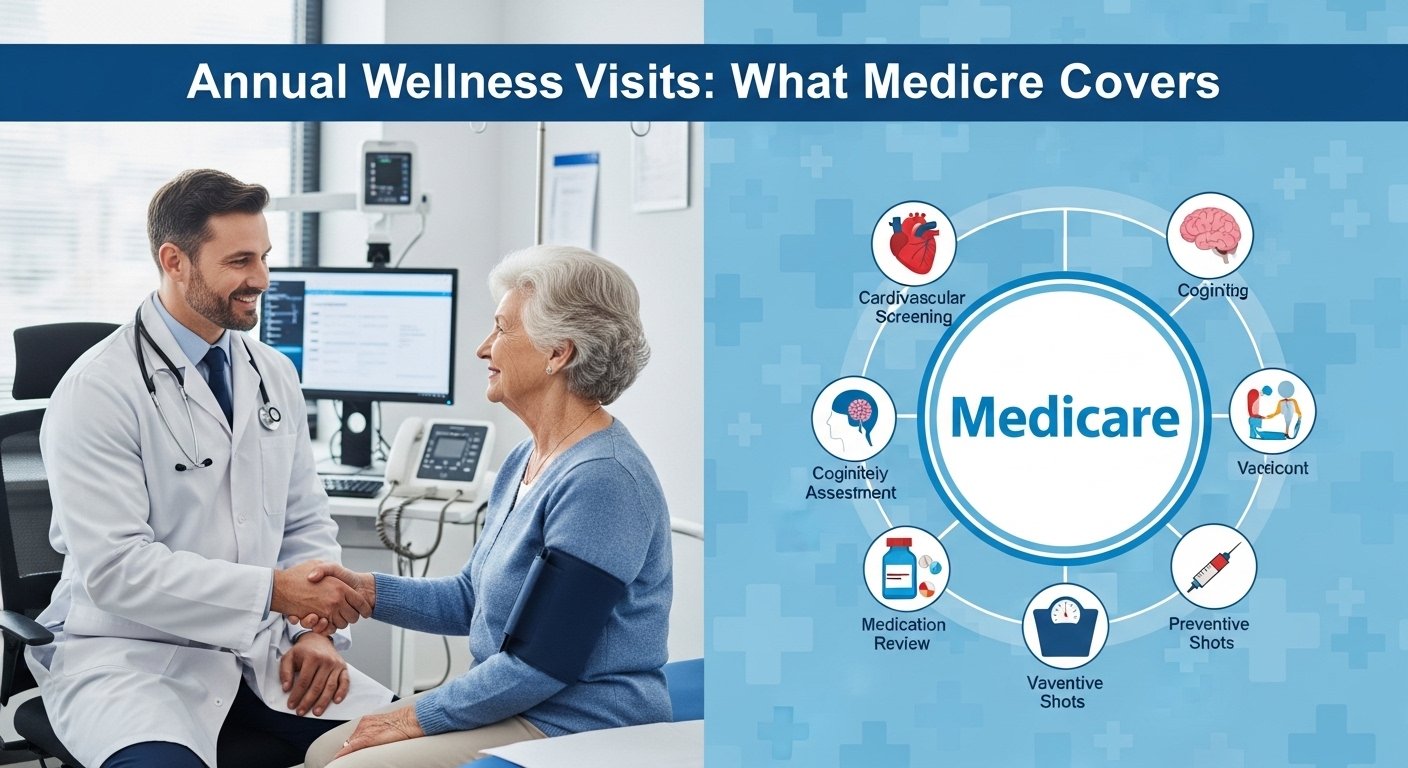
Annual Wellness Visits: What Medicare Covers
Medicare’s Annual Wellness Visit (AWV) is a preventive service designed to help Medicare beneficiaries maintain health and prevent disease — distinct from a traditional physical examination and covered with no cost-sharing for patients who have…
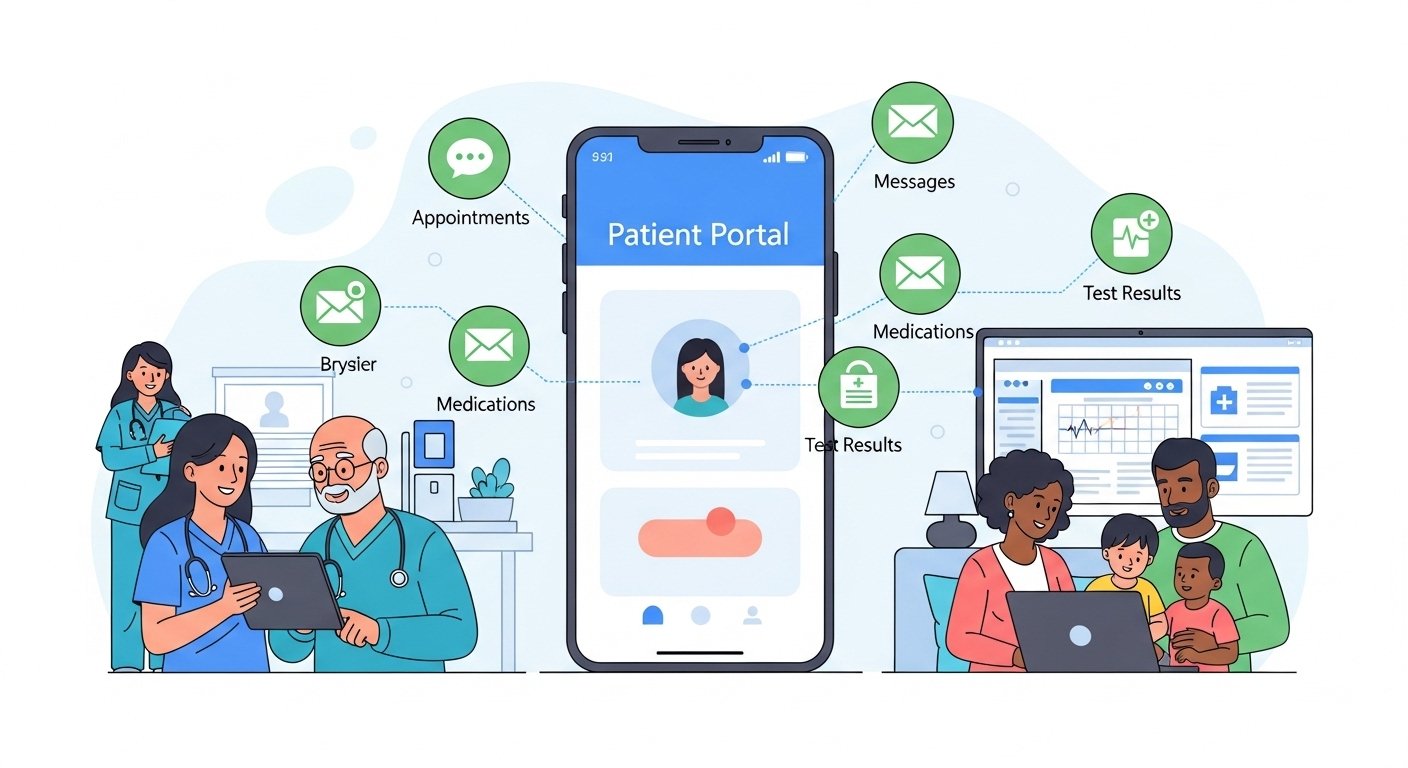
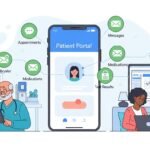
Patient Portals: How to Use Your Clinic’s Online System
Patient portals — secure online platforms provided by healthcare organizations to give patients access to their health information and enable digital communication with their care team — have become standard infrastructure in most US healthcare settings.…

Mental Health Integration in Primary Care Clinics
Mental health conditions affect approximately 1 in 5 American adults, yet more than half of those with a diagnosable mental health disorder receive no treatment. The primary care clinic — the most frequently accessed healthcare setting — is uniquely…
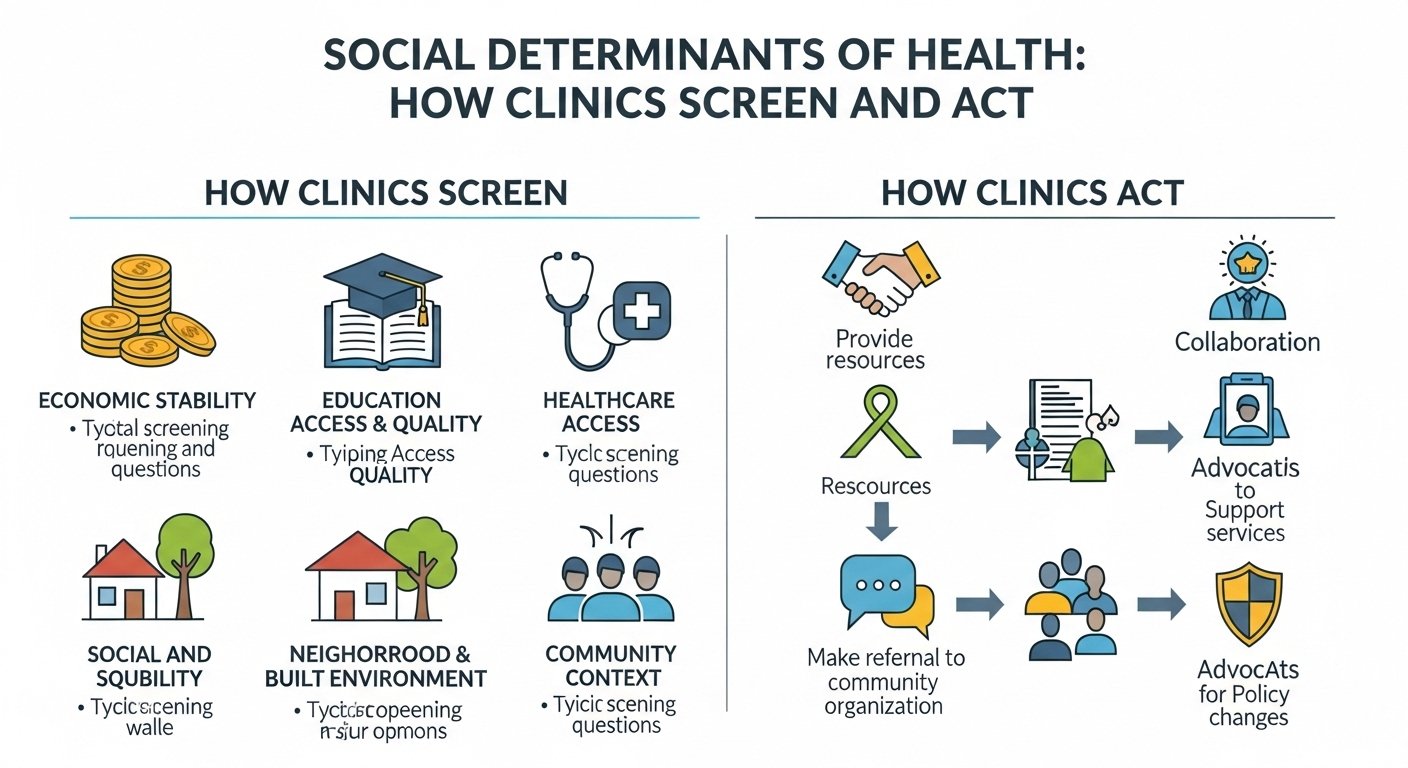
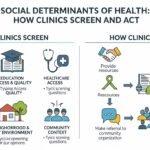
Social Determinants of Health: How Clinics Screen and Act
Social determinants of health (SDOH) — the non-medical conditions in which people are born, live, learn, work, and age — account for up to 80% of health outcomes. These include economic stability, housing quality, educational attainment, social…
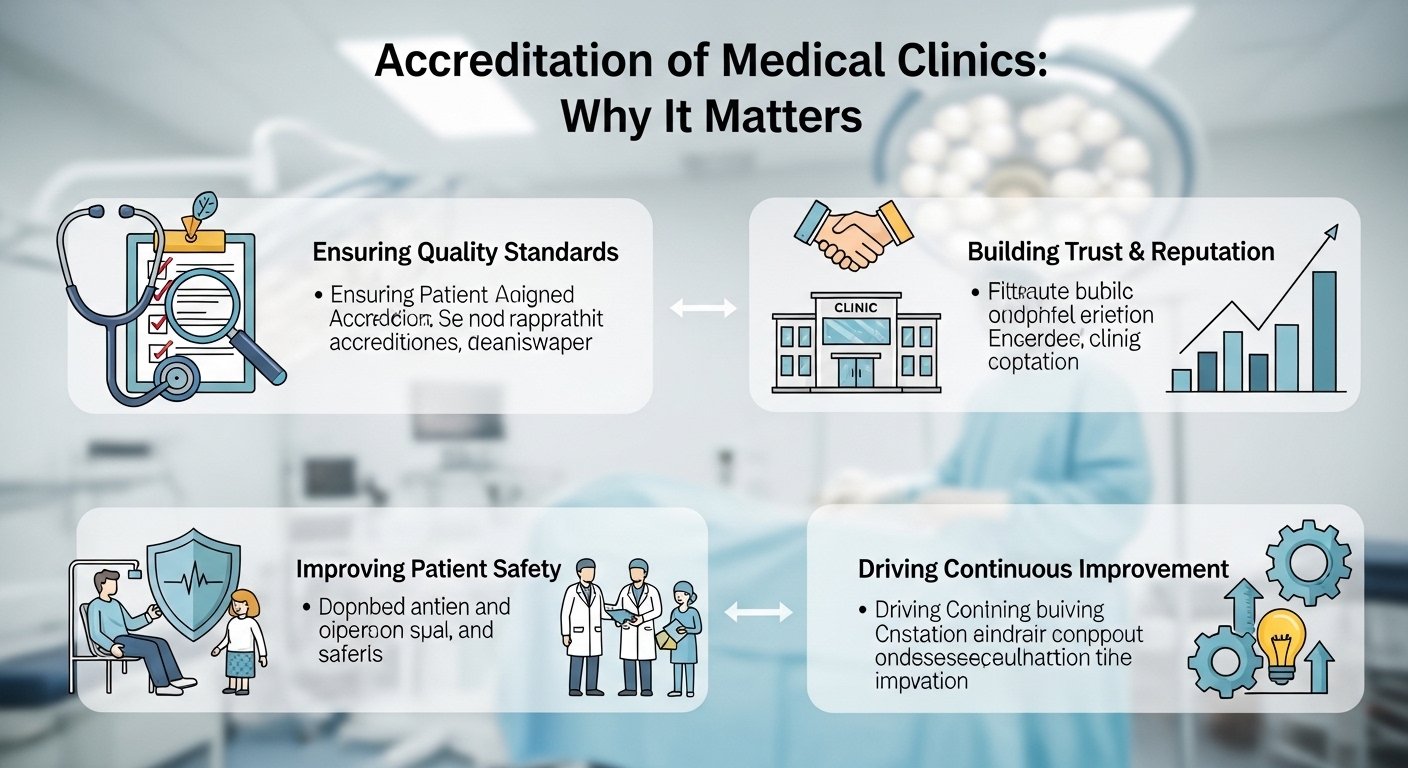
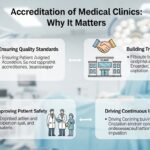
Accreditation of Medical Clinics: Why It Matters
Clinical accreditation — the process by which an independent accreditation organization evaluates a healthcare clinic against established standards and certifies that it meets those standards — serves as an external validation of clinic quality and…